
CONTEXTField conditions and systems being assessed
Enter at least two characters.
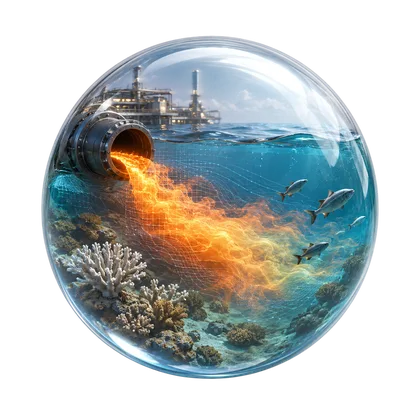
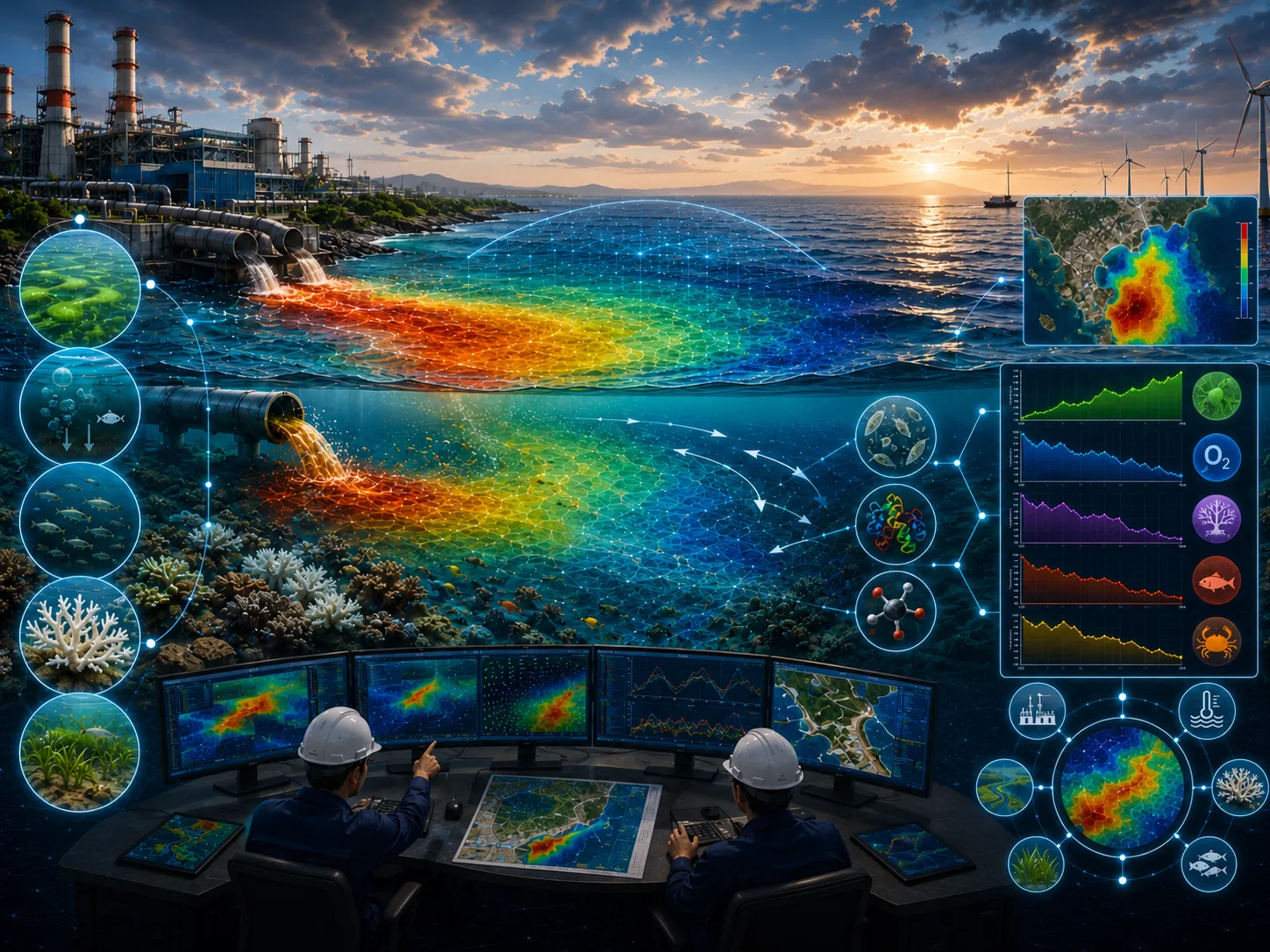
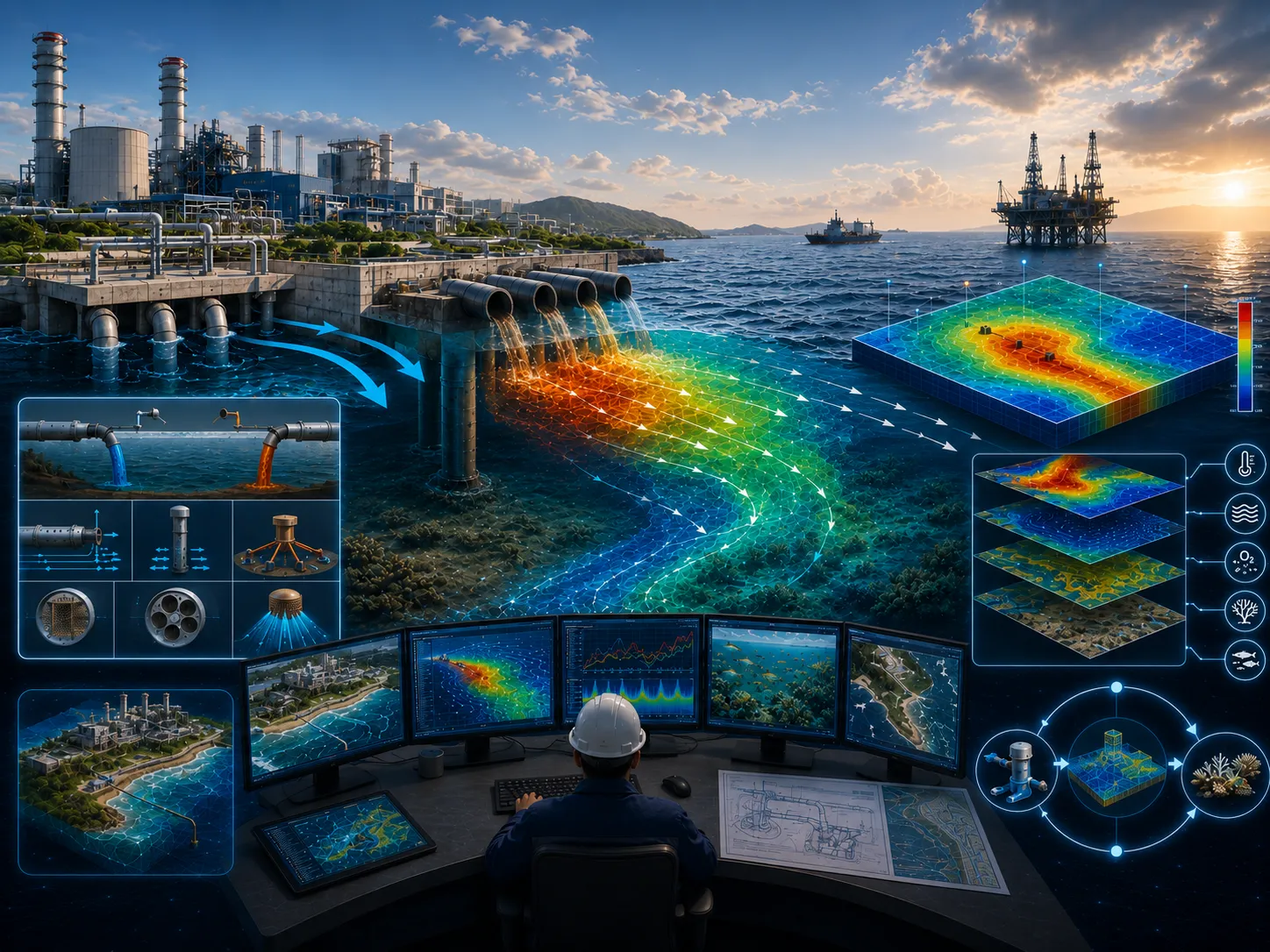
The continuous discharge of heated cooling water from industrial facilities and power plants into the marine environment can produce significant long-term environmental impacts.
This page includes a one-page leaflet that can be opened in a full-image popup. It helps present the core CORZ service clearly and convincingly during project discussions, executive briefings, and decision-support meetings.
With a more proportional balance between visuals and text, the page feels brighter and more energetic while still keeping the important technical context visible and easy to understand.
Use this leaflet as a concise visual entry point before moving into the more detailed technical explanation.
Clarity before a decision is made
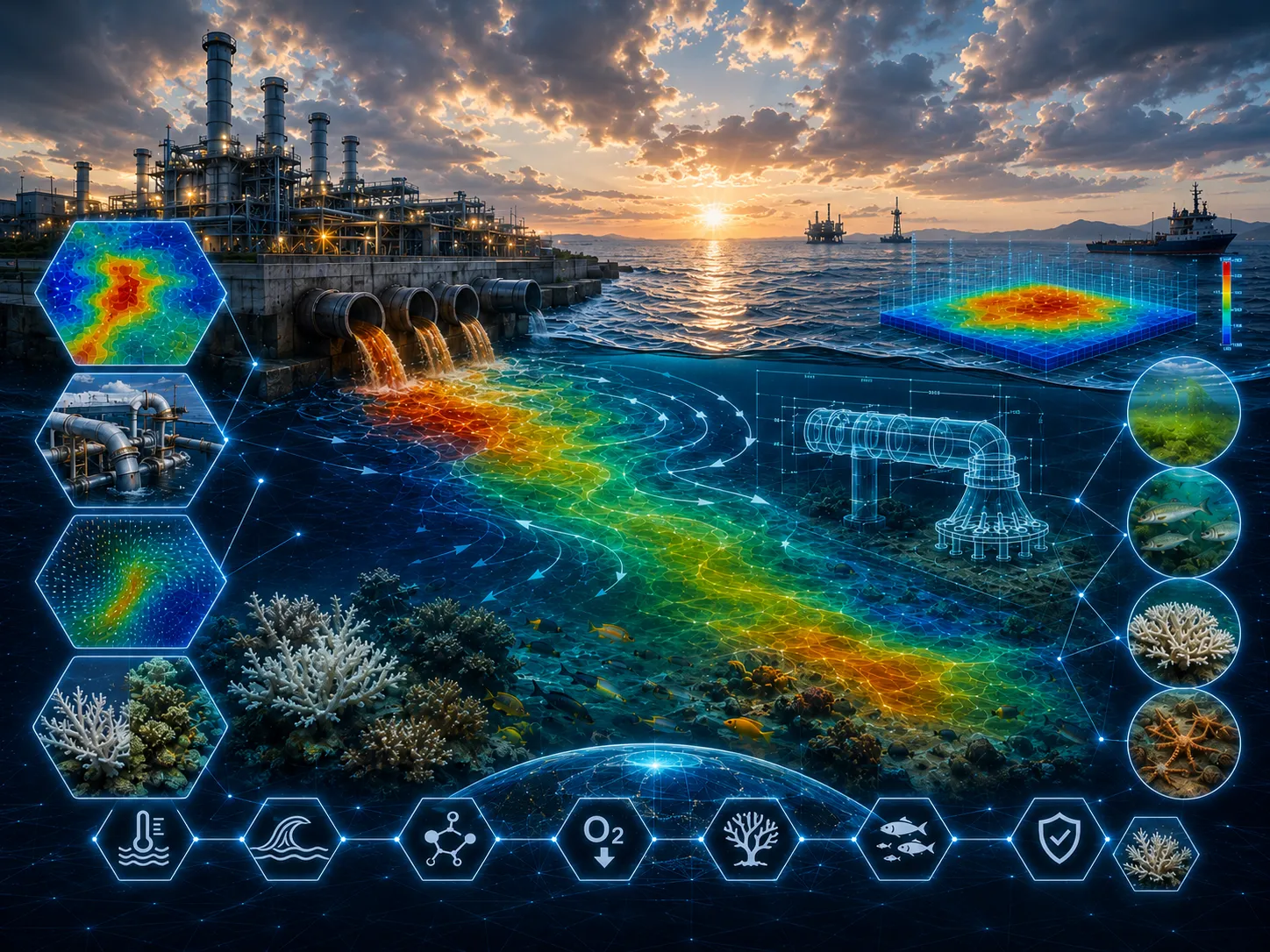
The continuous discharge of heated cooling water from industrial facilities and power plants into the marine environment can produce significant long-term environmental impacts.
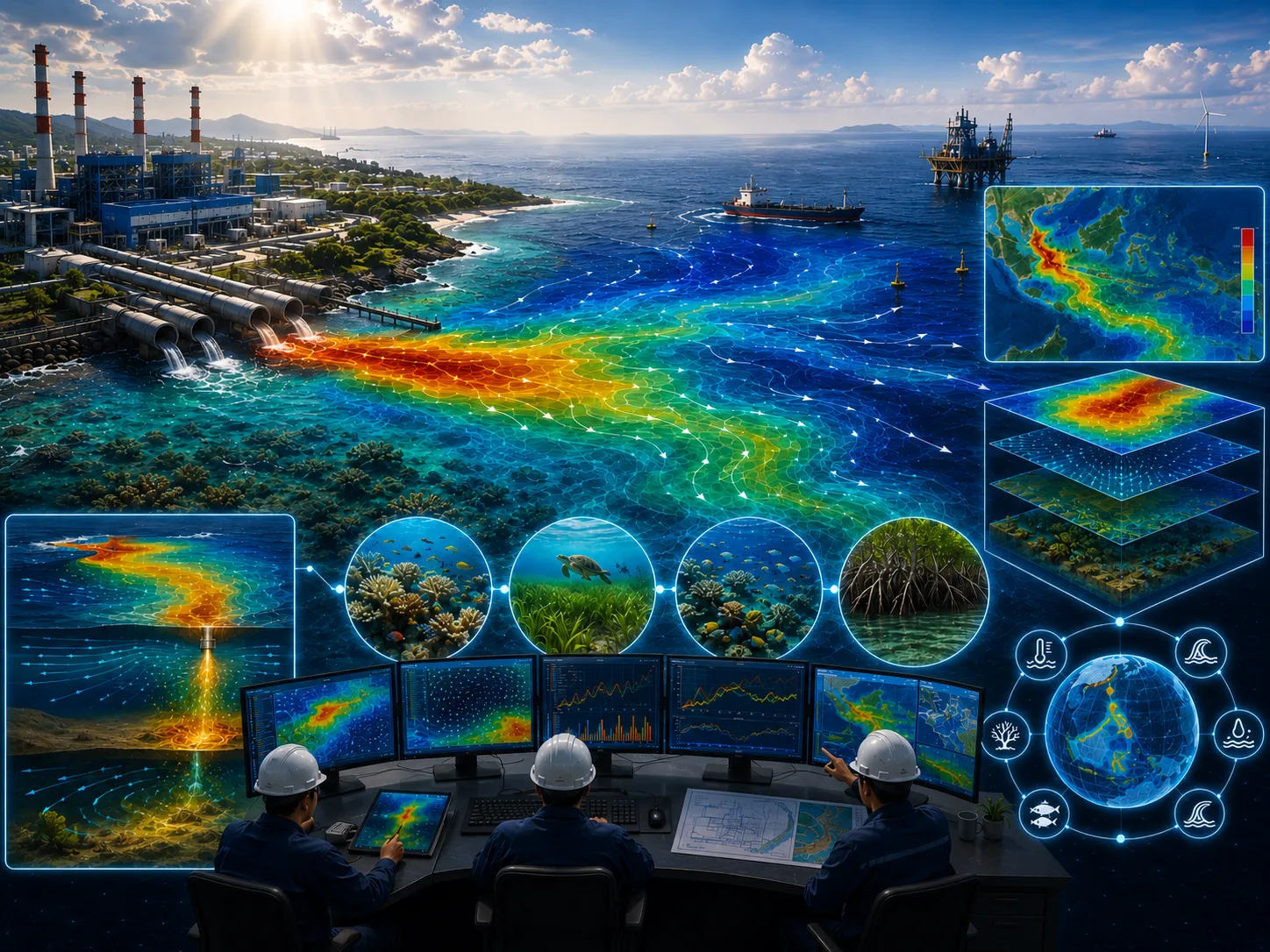
Artificial increases in seawater temperature can also indirectly degrade marine ecosystems by reducing the quality and carrying capacity of critical habitats. Coral reef ecosystems are particularly vulnerable because even relatively small temperature increases can alter dissolved oxygen concentrations and the solubility of calcium carbonate (calcite and aragonite), both of which are essential for coral growth and reef formation.
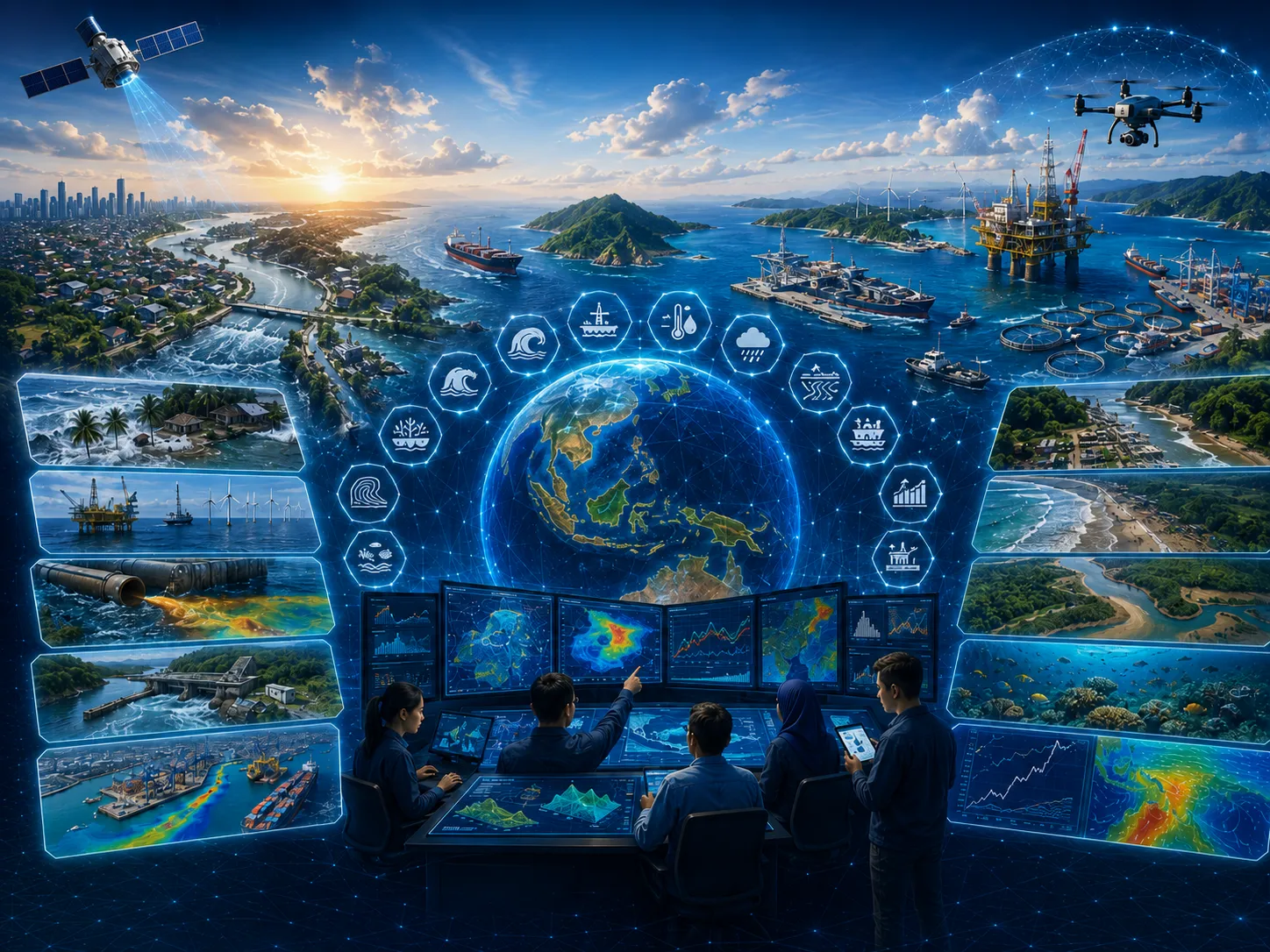
Define the approach, priorities, and actions for impacts of thermal waste dispersion using traceable evidence.
Environmental impact, design failure, operational disruption, uncontrolled cost, and weak assumptions.
Comparable options, quantified risk, and implementable recommendations.
This aspect is assessed to clarify its implications for impacts of thermal waste dispersion.
This aspect is assessed to clarify its implications for impacts of thermal waste dispersion.
This aspect is assessed to clarify its implications for impacts of thermal waste dispersion.
This aspect is assessed to clarify its implications for impacts of thermal waste dispersion.
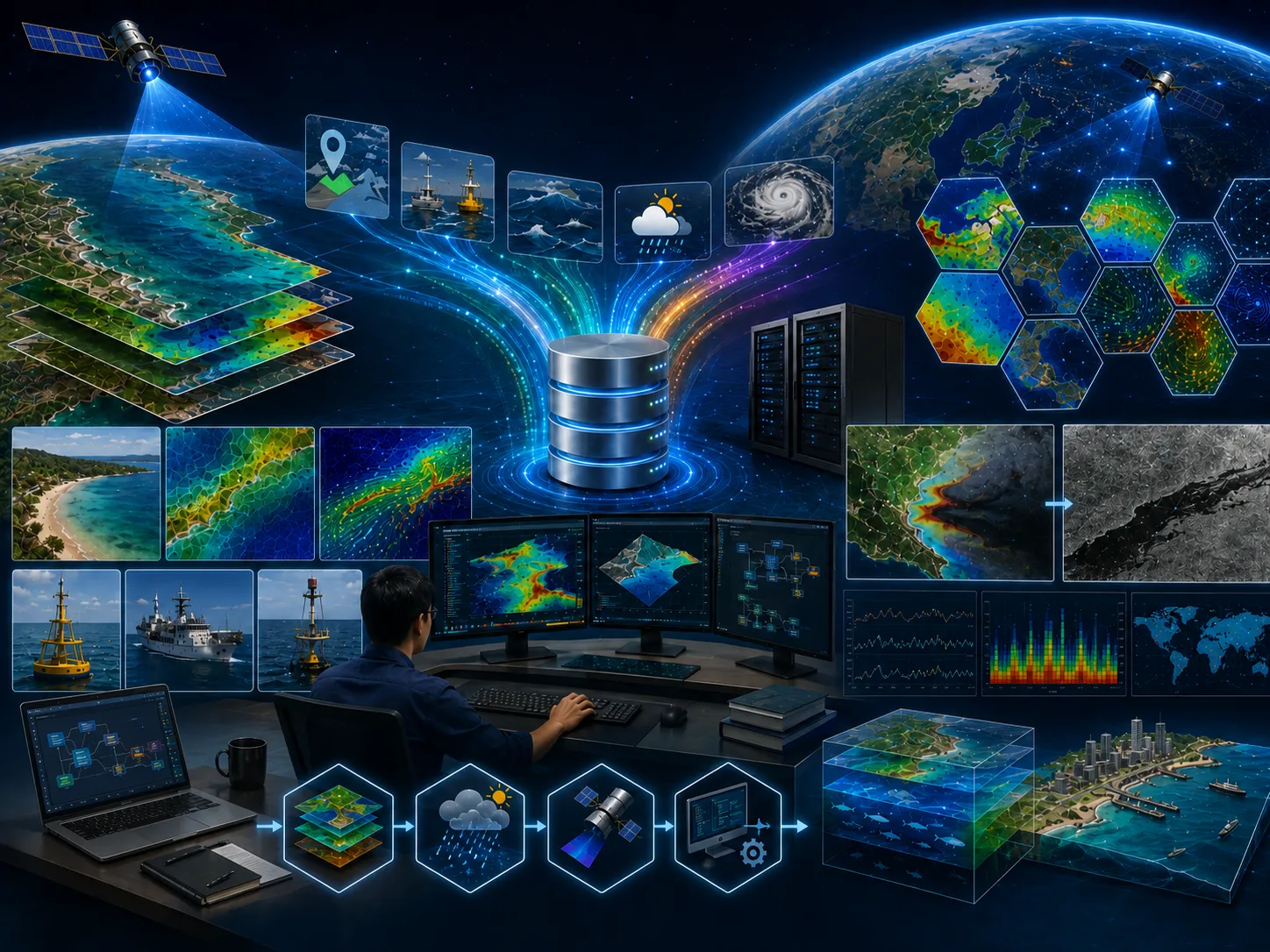
This aspect is assessed to clarify its implications for impacts of thermal waste dispersion.
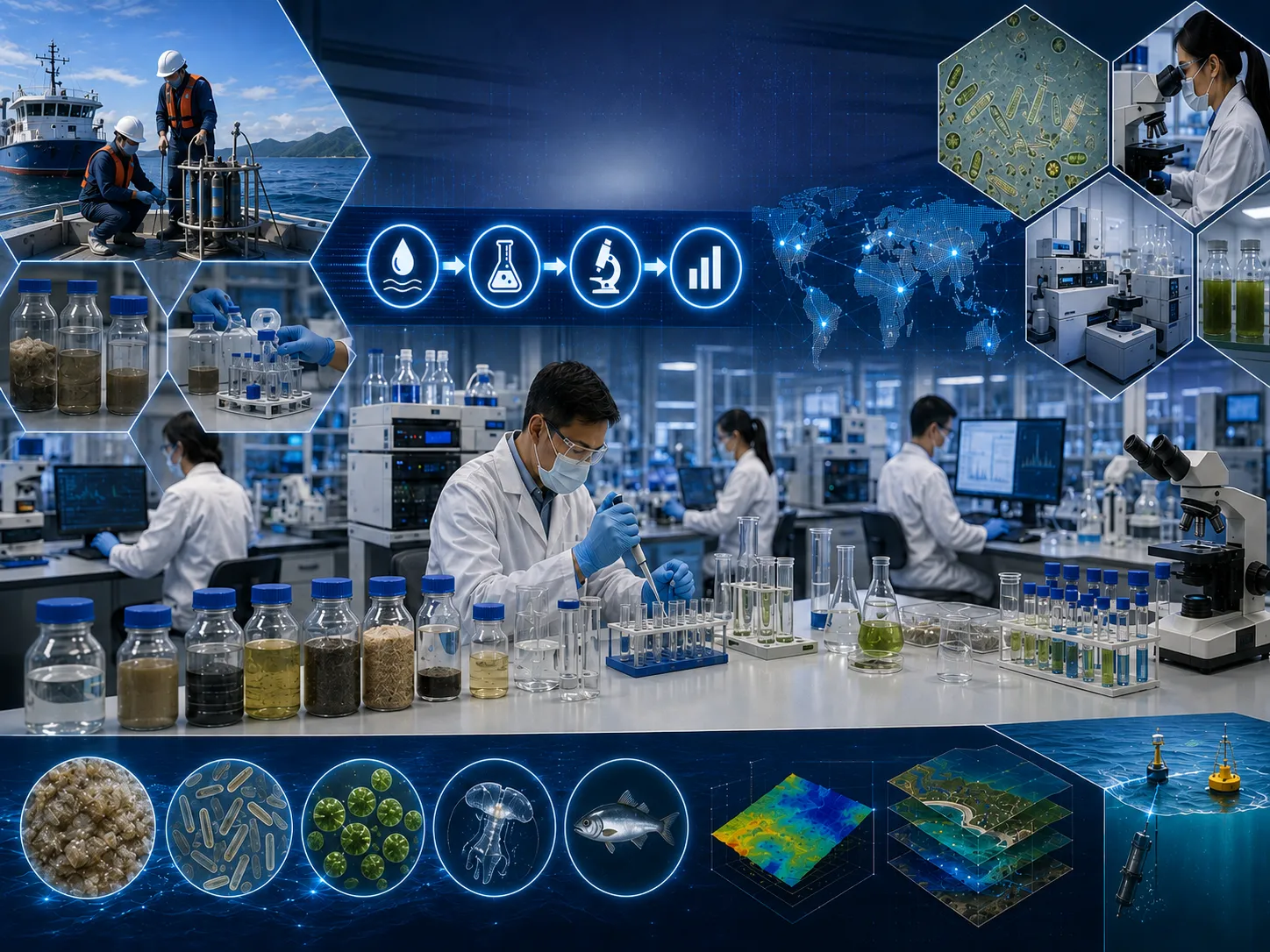
This aspect is assessed to clarify its implications for impacts of thermal waste dispersion.
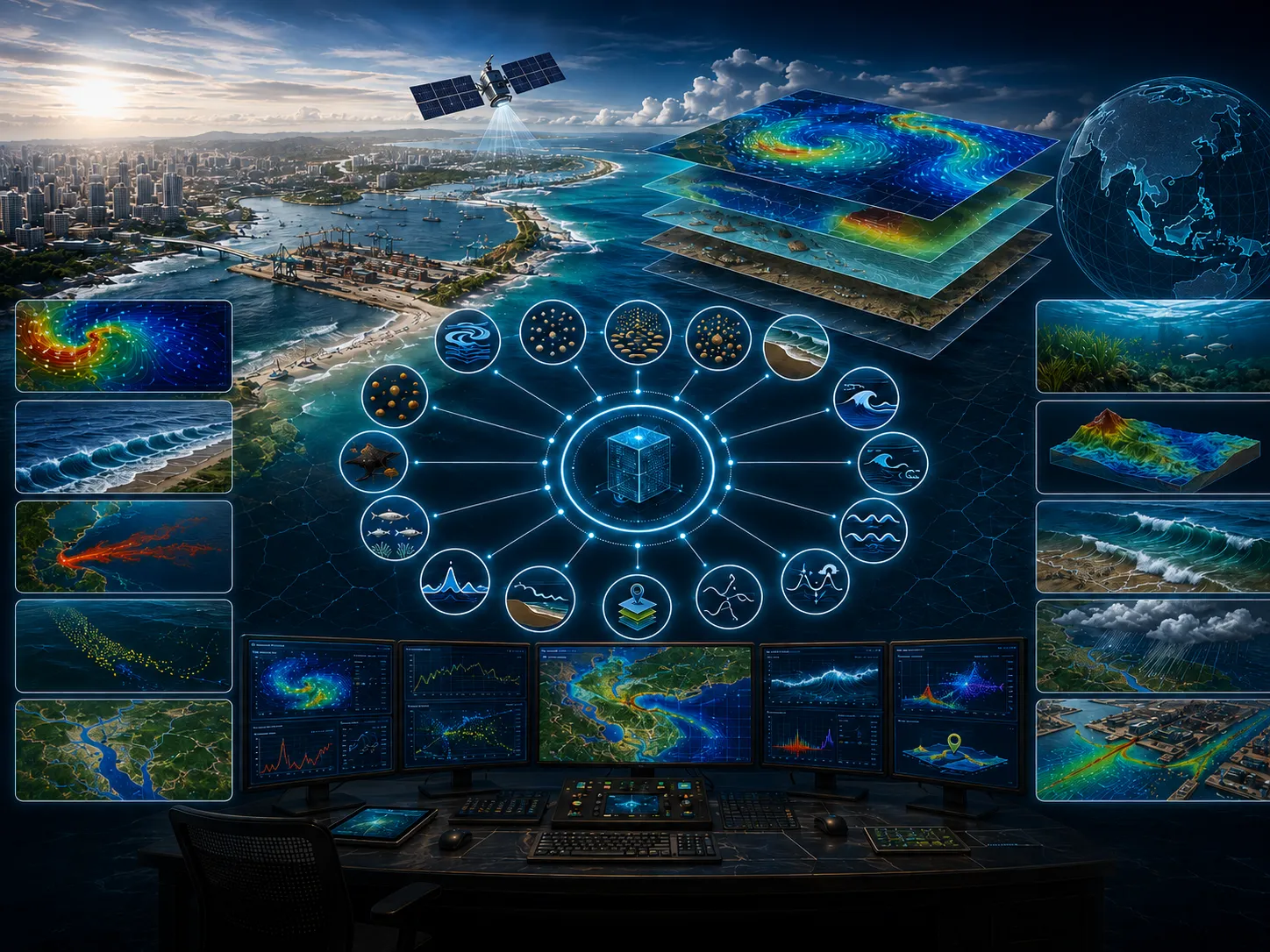
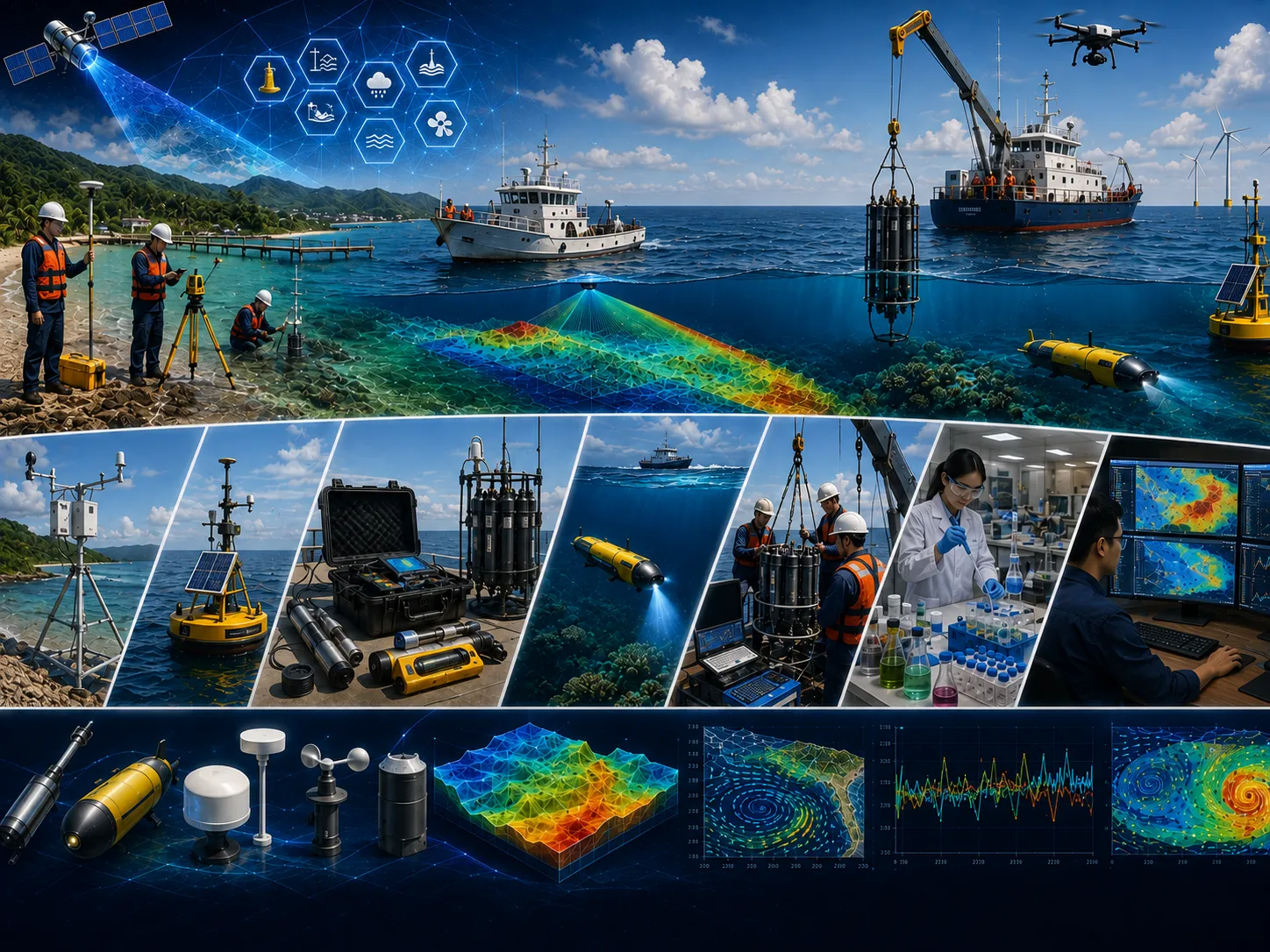
Field surveys, in-situ measurements, laboratory results, historical records, and operating information as required.
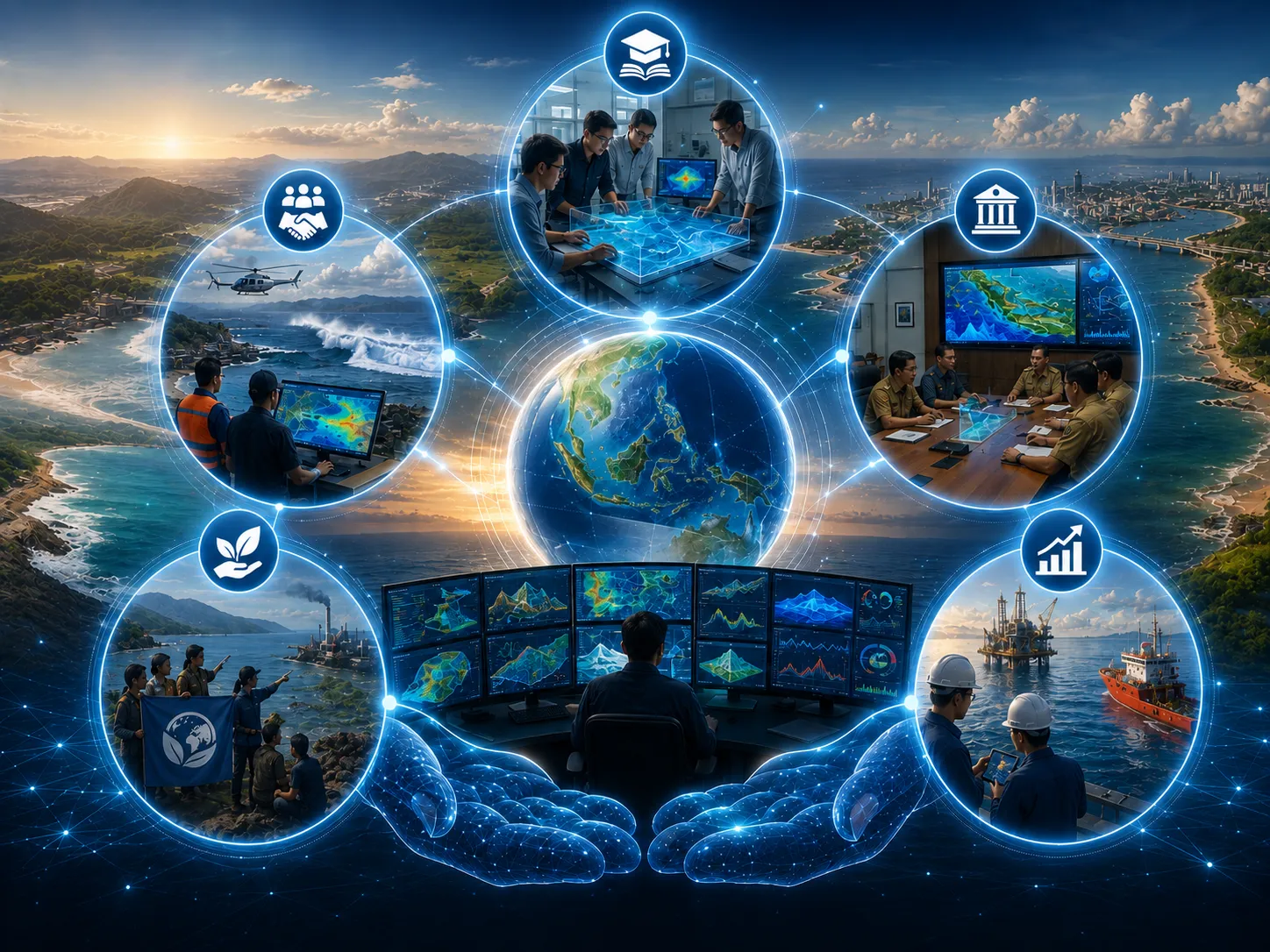
Satellite imagery, mapping, spatial analysis, temporal change, and integration of multiple data sources.
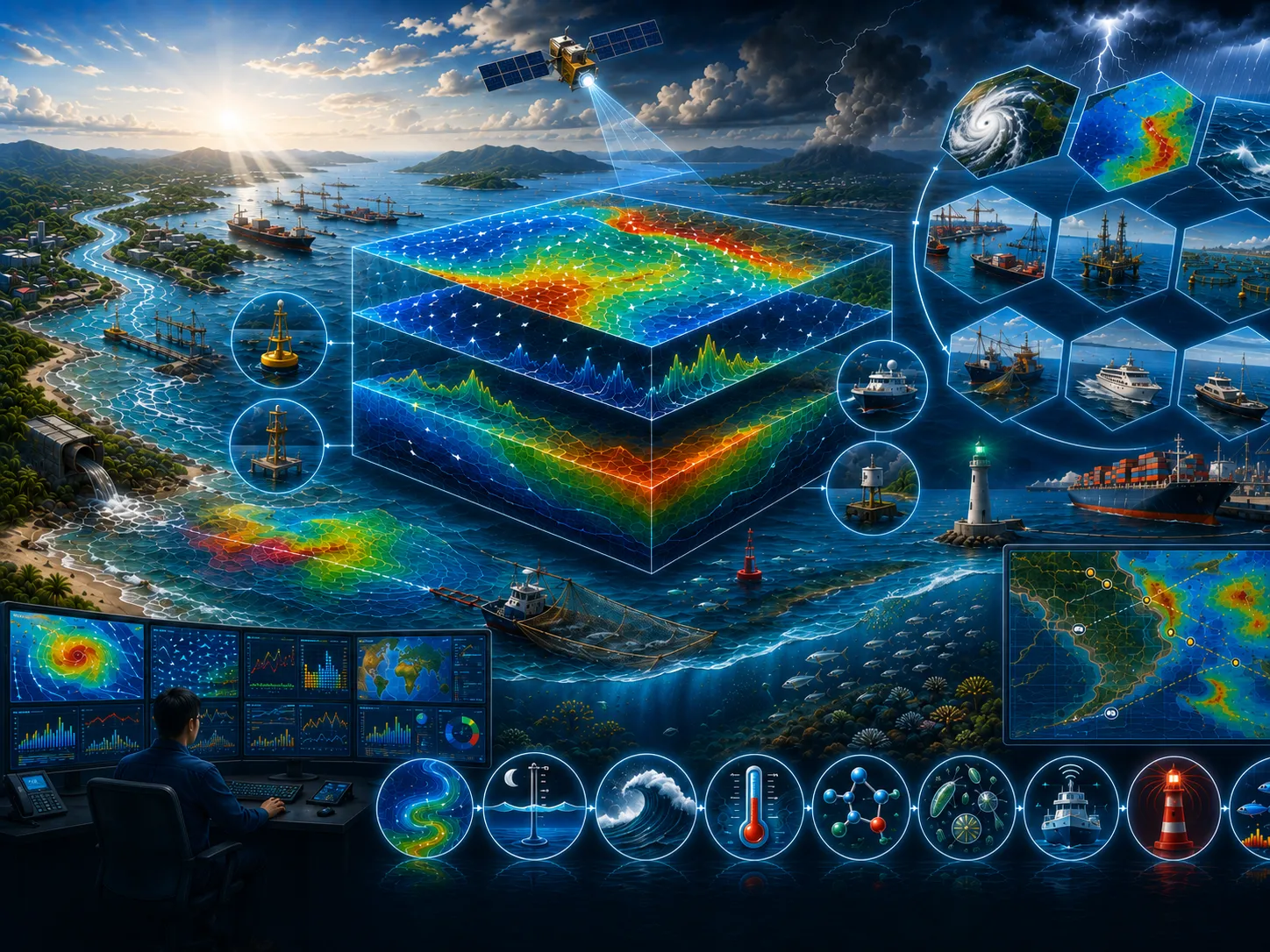
Model setup, calibration, validation, existing–planned–extreme scenarios, and sensitivity analysis.
Metadata, quality controls, assumptions, limitations, data versions, and processing lineage are documented.
Objectives, study area, available data, additional needs, initial risks, and recommended level of detail.
Quality-controlled data, thematic maps, time series, indicators, and comparable visualizations.
Comparison of existing conditions, alternatives, extremes, sensitivities, consequences, and mitigation options.
Methods, results, limitations, recommendations, action priorities, and stakeholder presentation materials.
Assumptions, data, variability, and limitations are stated so decision risk is not hidden.
Alternative locations, designs, operations, or policies are assessed using consistent indicators.
Data needs and analysis depth are proportionate to risk so resources are used efficiently.
Findings and recommendations are transparent for technical, management, regulatory, and partner review.
Objectives, users, location, project phase, problems, constraints, and the decision to support.
Methods, data, surveys, models, schedule, team, deliverables, review gates, and resource estimate.
Collection, inspection, harmonization, documentation, and data-sufficiency assessment.
Processing, modeling, validation, option comparison, sensitivity, and risk evaluation.
Maps, report, executive brief, presentation, supporting data, and follow-up plan.
The continuous discharge of heated cooling water from industrial facilities and power plants into the marine environment can produce significant long-term environmental impacts. Consequently, the potential effects of thermal discharges must be thoroughly assessed before a cooling-water system is designed, constructed, and operated. Elevated seawater temperatures can disrupt the metabolic processes of marine organisms—including fish, aquatic insects, benthic invertebrates, zooplankton, phytoplankton, and microorganisms—thereby reducing their ability to survive, reproduce, and maintain healthy populations.
Artificial increases in seawater temperature can also indirectly degrade marine ecosystems by reducing the quality and carrying capacity of critical habitats. Coral reef ecosystems are particularly vulnerable because even relatively small temperature increases can alter dissolved oxygen concentrations and the solubility of calcium carbonate (calcite and aragonite), both of which are essential for coral growth and reef formation. Elevated temperatures may also influence the solubility and bioavailability of heavy metals and other toxic substances, affecting the physiological functions of marine organisms. In addition, seawater temperature is one of the primary environmental factors controlling the survival, abundance, and distribution of marine viruses.
Long-term thermal discharges may result in a variety of ecological impacts, including:
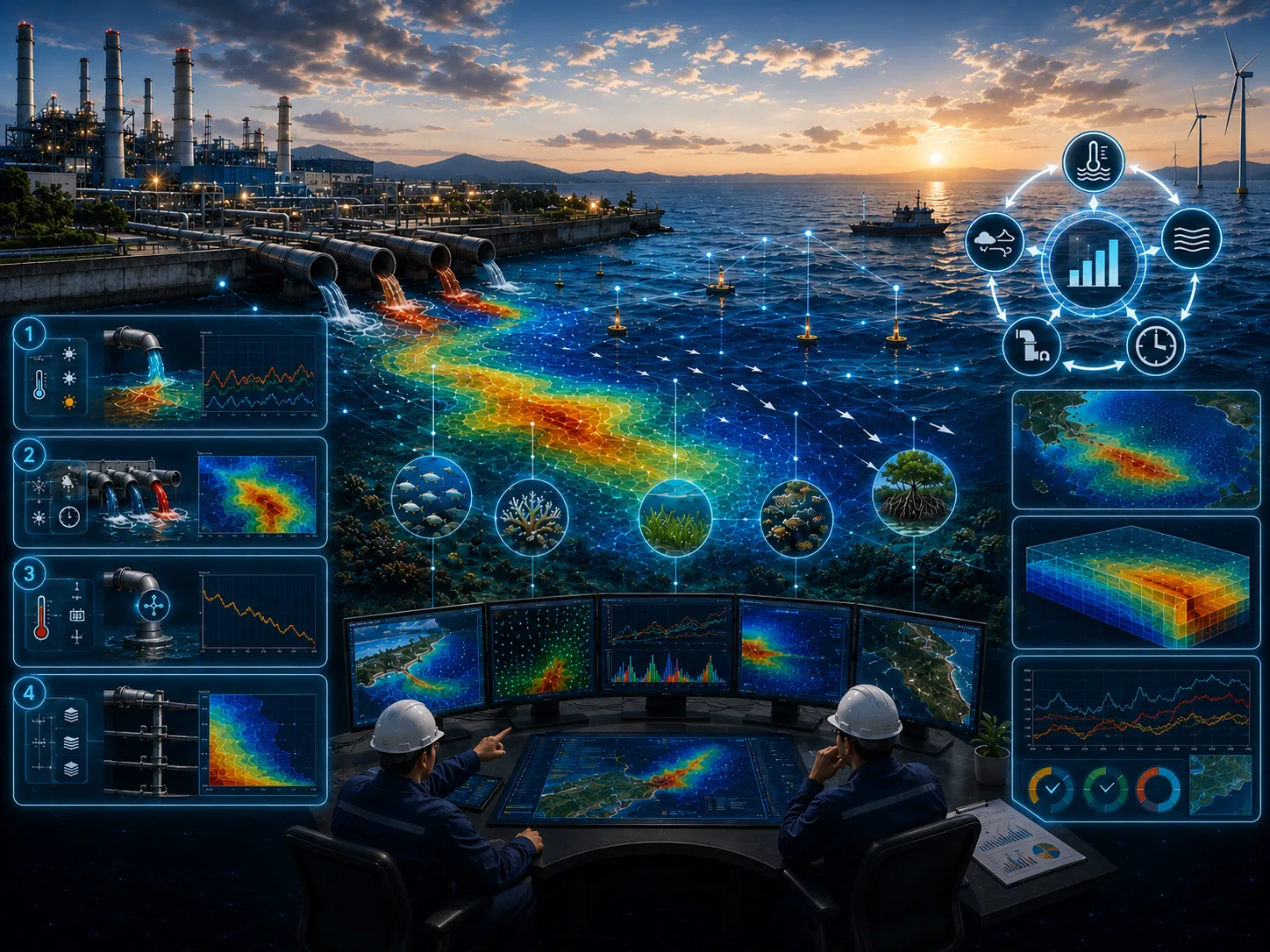
These potential impacts can be substantially reduced through the application of advanced ocean modeling technology. Numerical models simulate ecosystem responses to temperature changes by integrating physical, chemical, and biological processes occurring within the receiving waters. This integrated approach enables scientists and engineers to evaluate whether thermal discharges are likely to produce significant ecological impacts and to identify appropriate mitigation measures before project implementation.
The design of seawater intake and thermal discharge (outfall) pipelines plays a critical role in ensuring efficient cooling system performance while minimizing the environmental impacts of heated water…
Learn more →The use of seawater as a cooling medium for industrial facilities and power plants is a highly efficient and cost-effective solution.
Learn more →The continuous discharge of heated cooling water from industrial facilities and power plants into the marine environment can result in significant long-term environmental impacts if not properly managed.
Learn more →The CORZ team will review the objective, scope, data availability, risk level, schedule, and required outputs to prepare a proportionate approach.
Share the location, objectives, key challenges, available data, and expected outputs. The CORZ team will help define a proportionate technical approach.