CONTEXTField conditions and systems being assessed
Enter at least two characters.
Non-Governmental Organizations (NGOs) carry out activities that are closely connected to social and community interests in coastal areas.
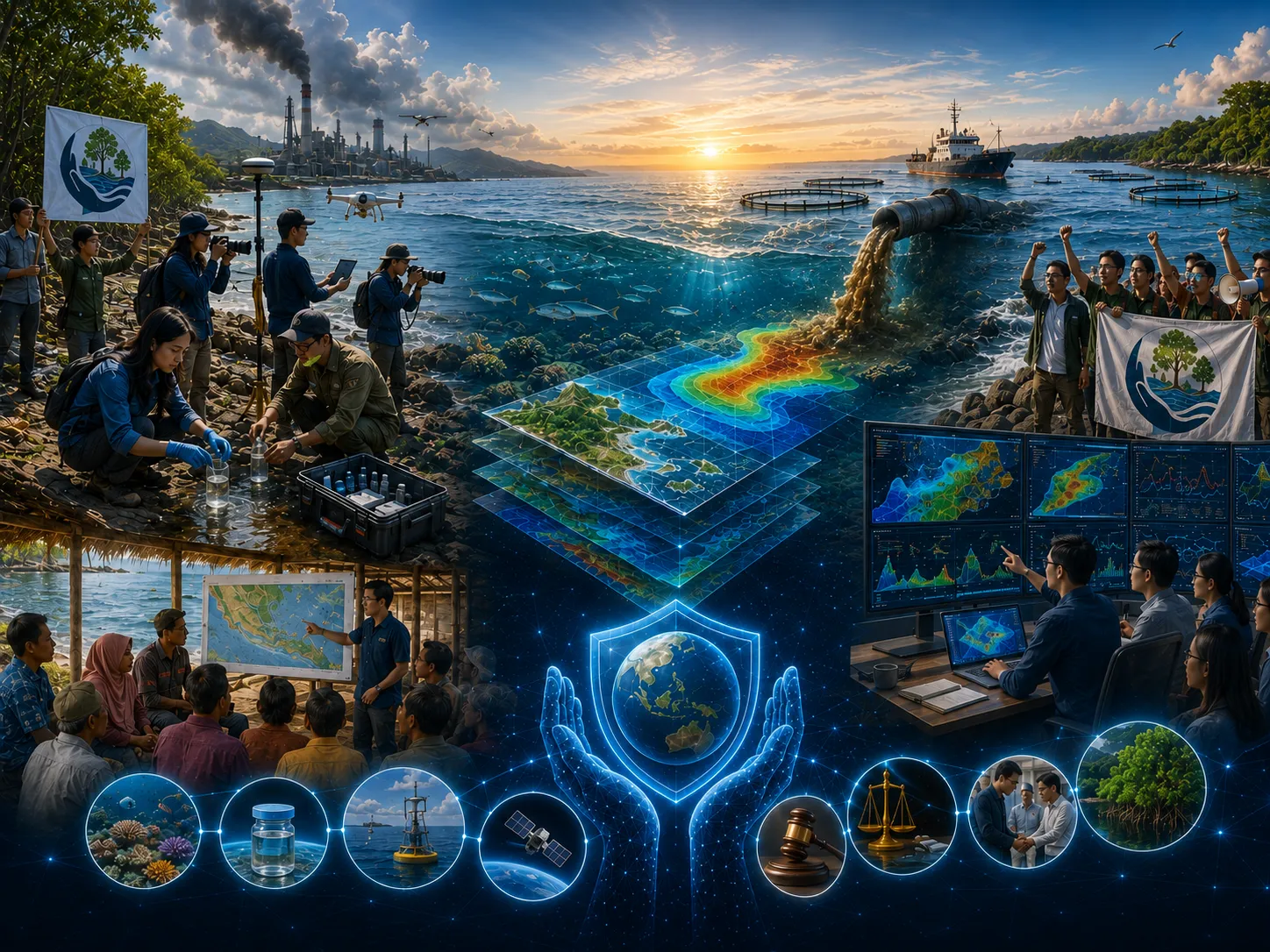
This page includes a one-page leaflet that can be opened in a full-image popup. It helps present the core CORZ service clearly and convincingly during project discussions, executive briefings, and decision-support meetings.
With a more proportional balance between visuals and text, the page feels brighter and more energetic while still keeping the important technical context visible and easy to understand.
Use this leaflet as a concise visual entry point before moving into the more detailed technical explanation.

Clarity before a decision is made
Non-Governmental Organizations (NGOs) carry out activities that are closely connected to social and community interests in coastal areas.
The coastal and marine issues advocated by NGOs generally include environmental degradation and marine pollution. Modeling technology can support studies and assessments conducted by NGOs, particularly those related to the collection of facts and field data, so that the facts and data can be scientifically verified with the help of modeling technology.
Define the approach, priorities, and actions for ngo support using traceable evidence.
Ambiguous scope, unsuitable outputs, and ineffective multi-party coordination.
Objectives, roles, methods, schedule, and deliverables agreed from the start.
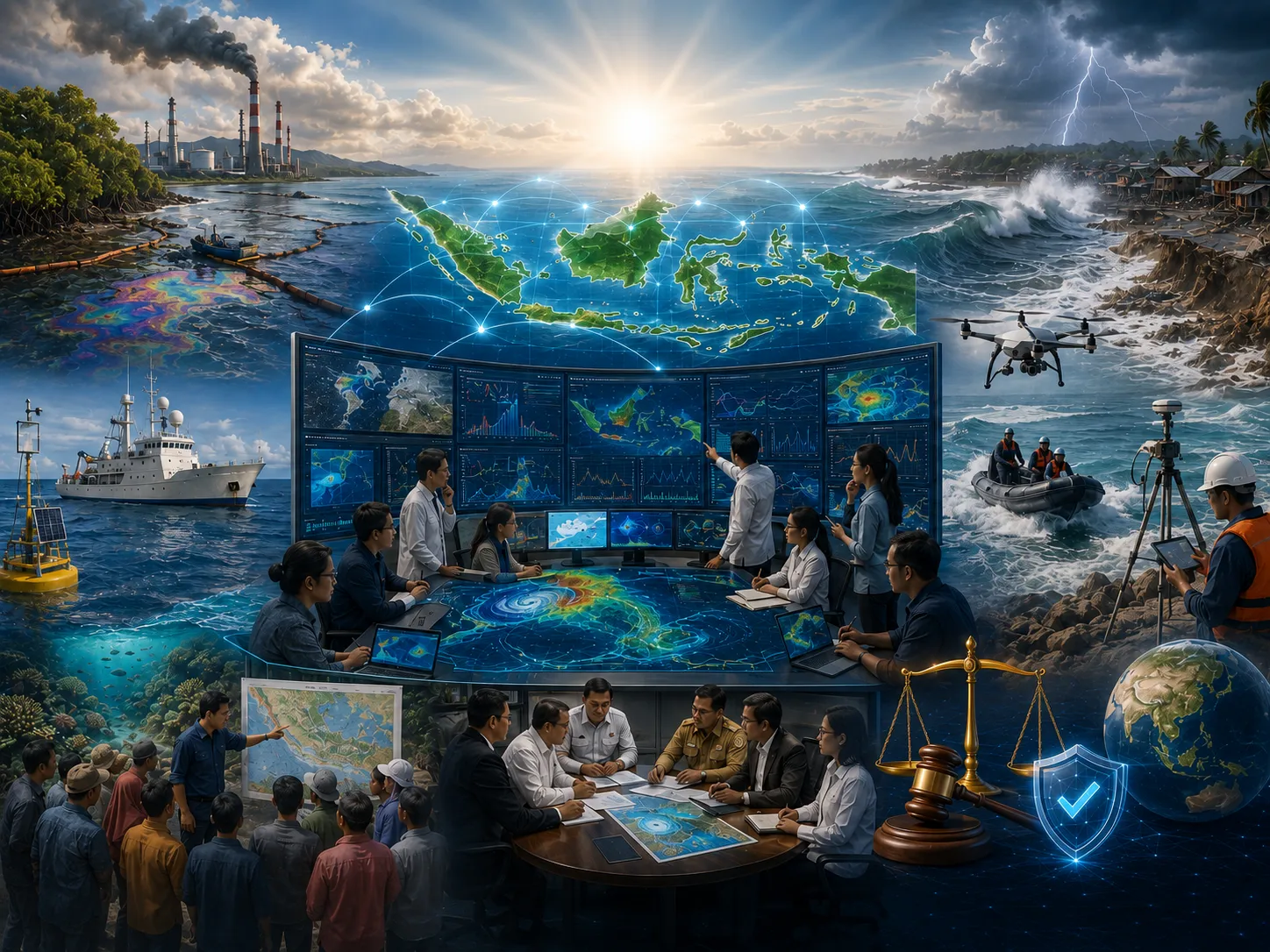
This aspect is assessed to clarify its implications for ngo support.
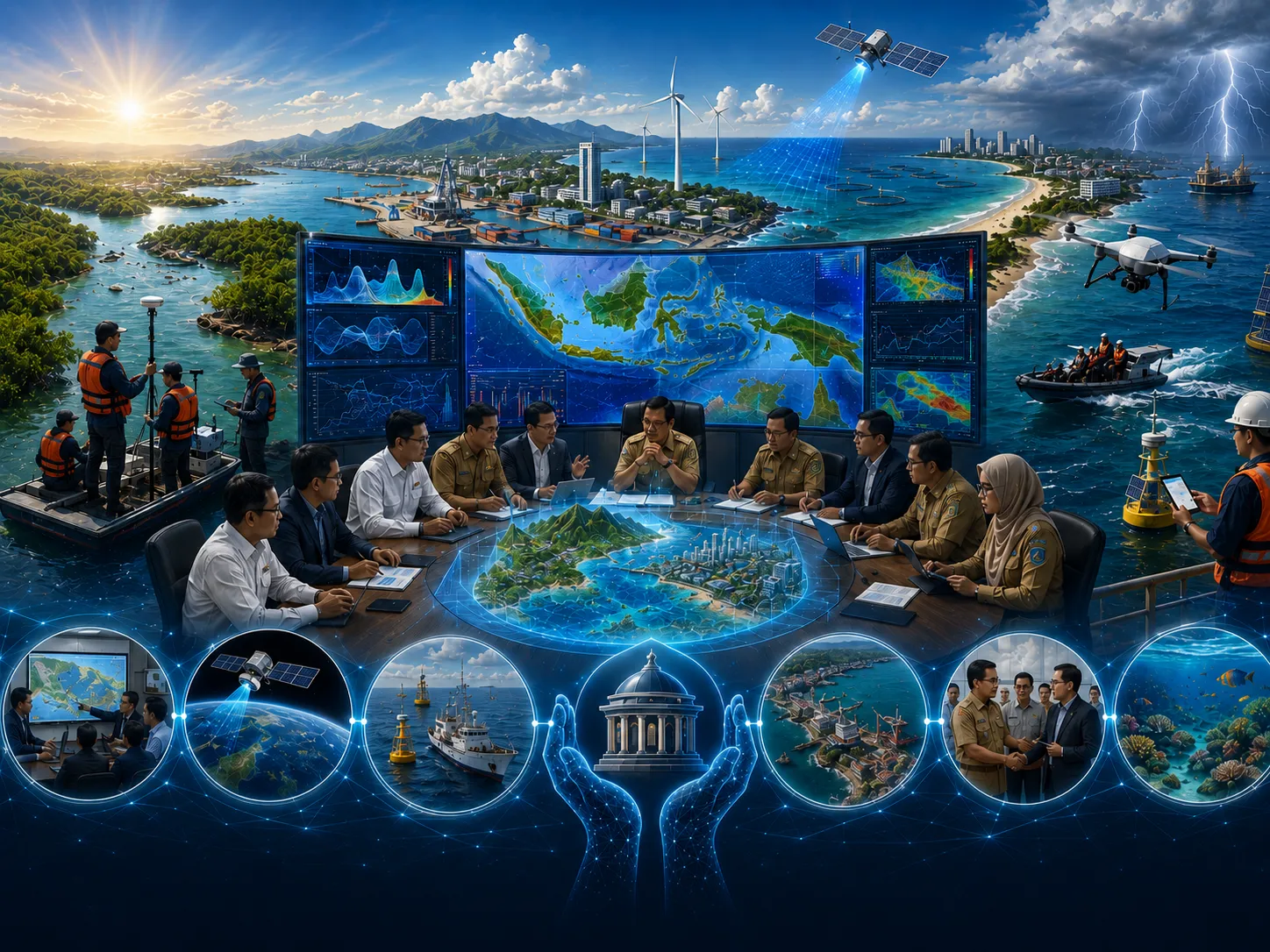
This aspect is assessed to clarify its implications for ngo support.
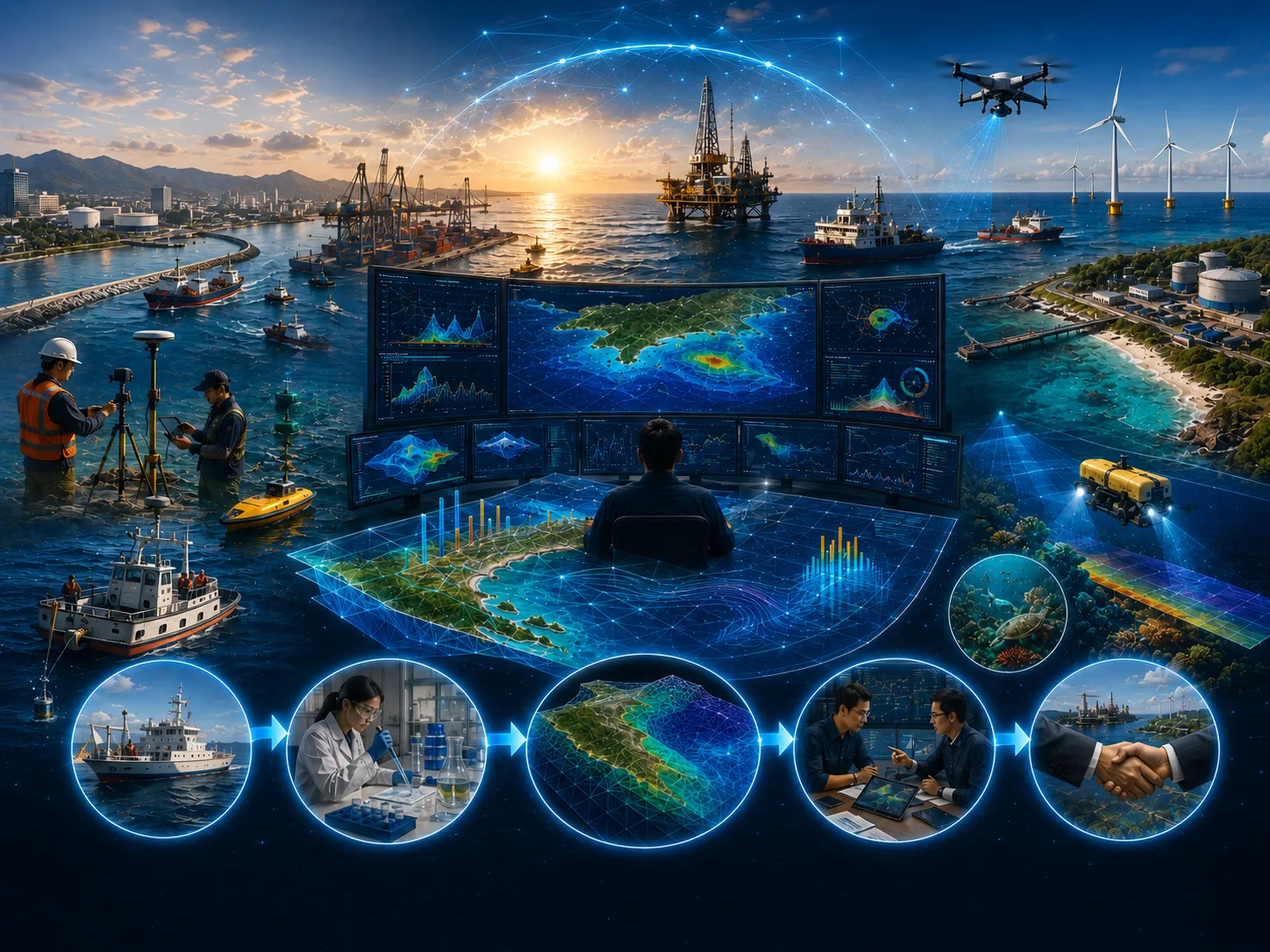
This aspect is assessed to clarify its implications for ngo support.
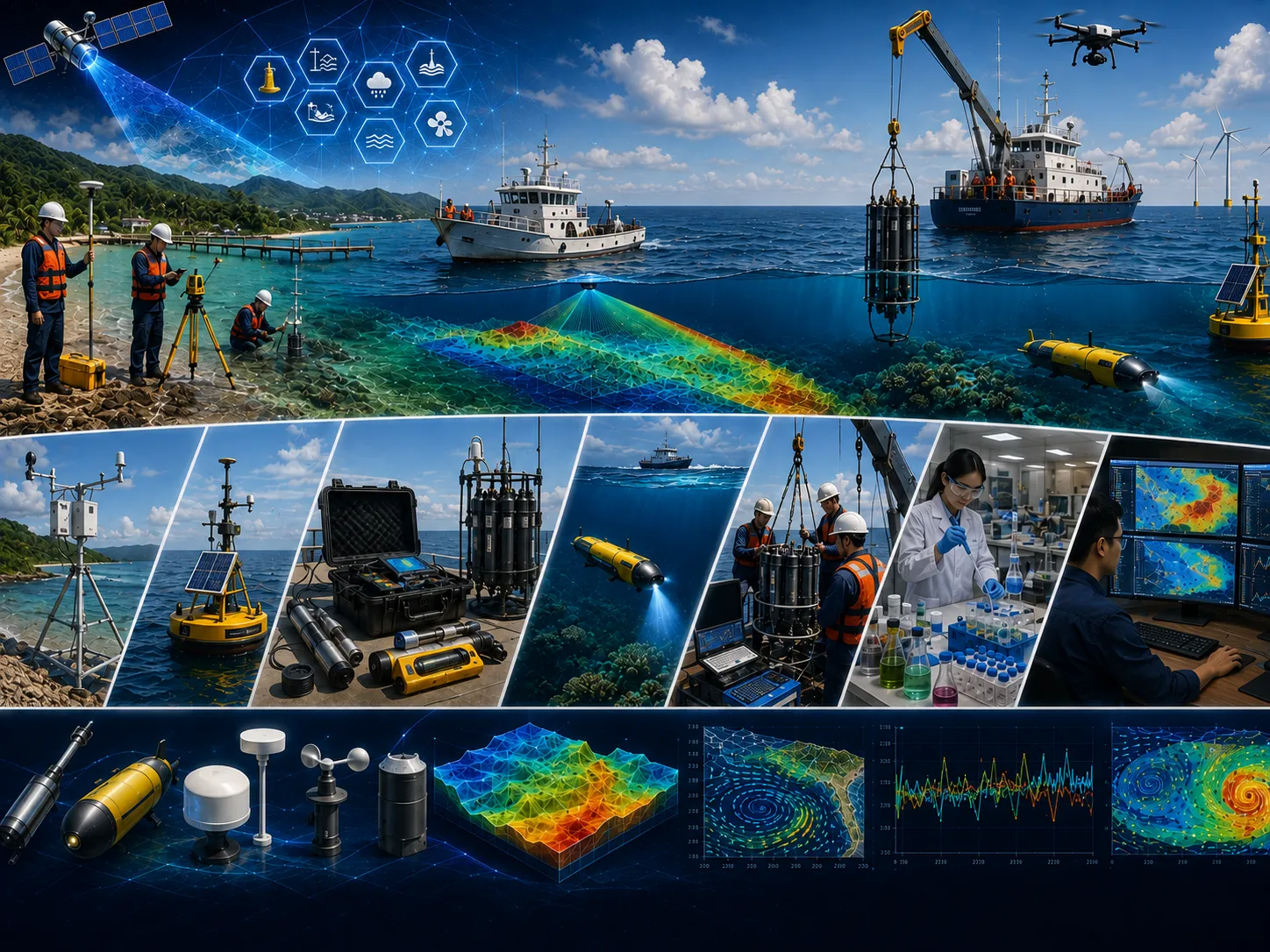
This aspect is assessed to clarify its implications for ngo support.
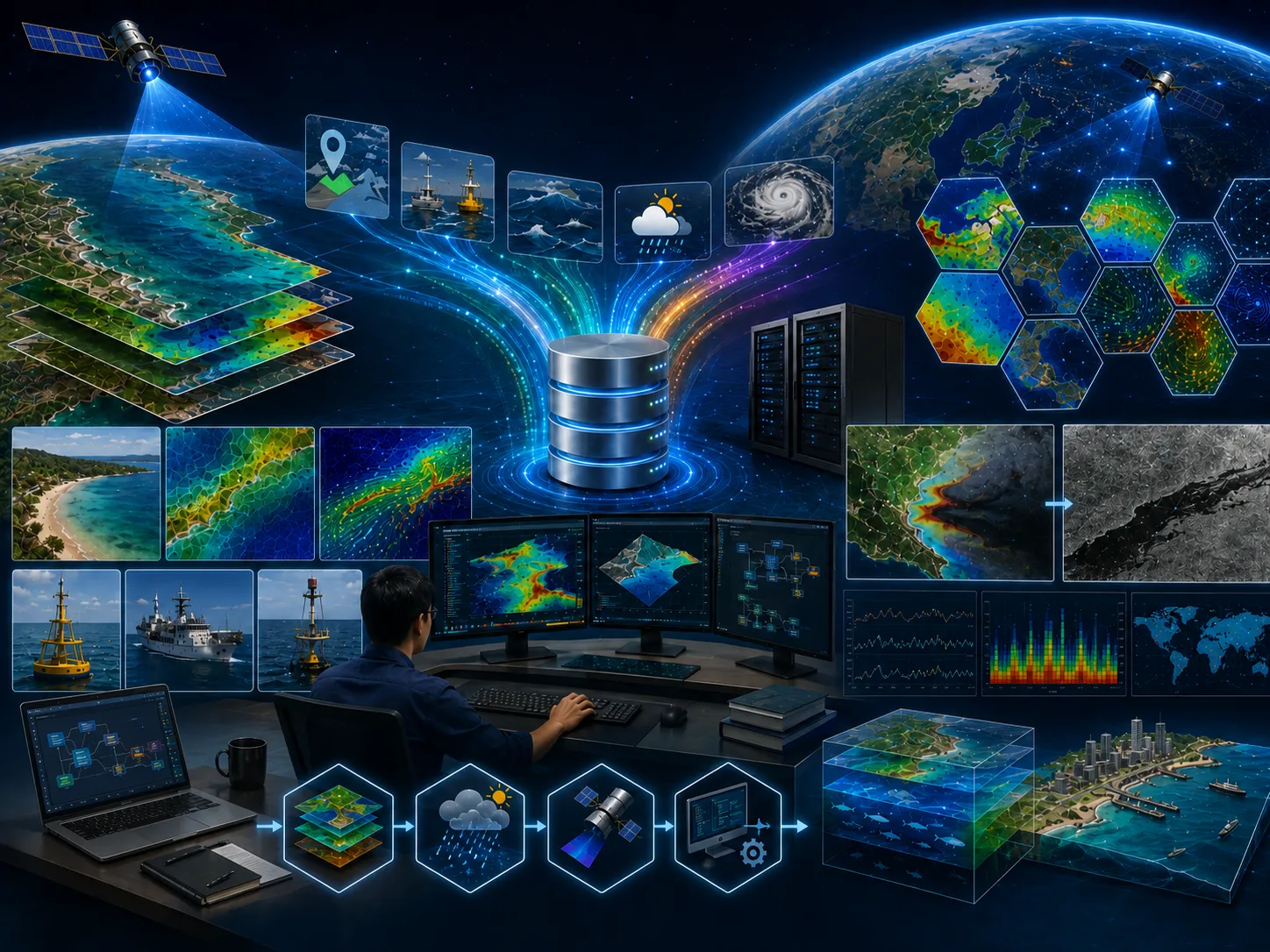
This aspect is assessed to clarify its implications for ngo support.

This aspect is assessed to clarify its implications for ngo support.
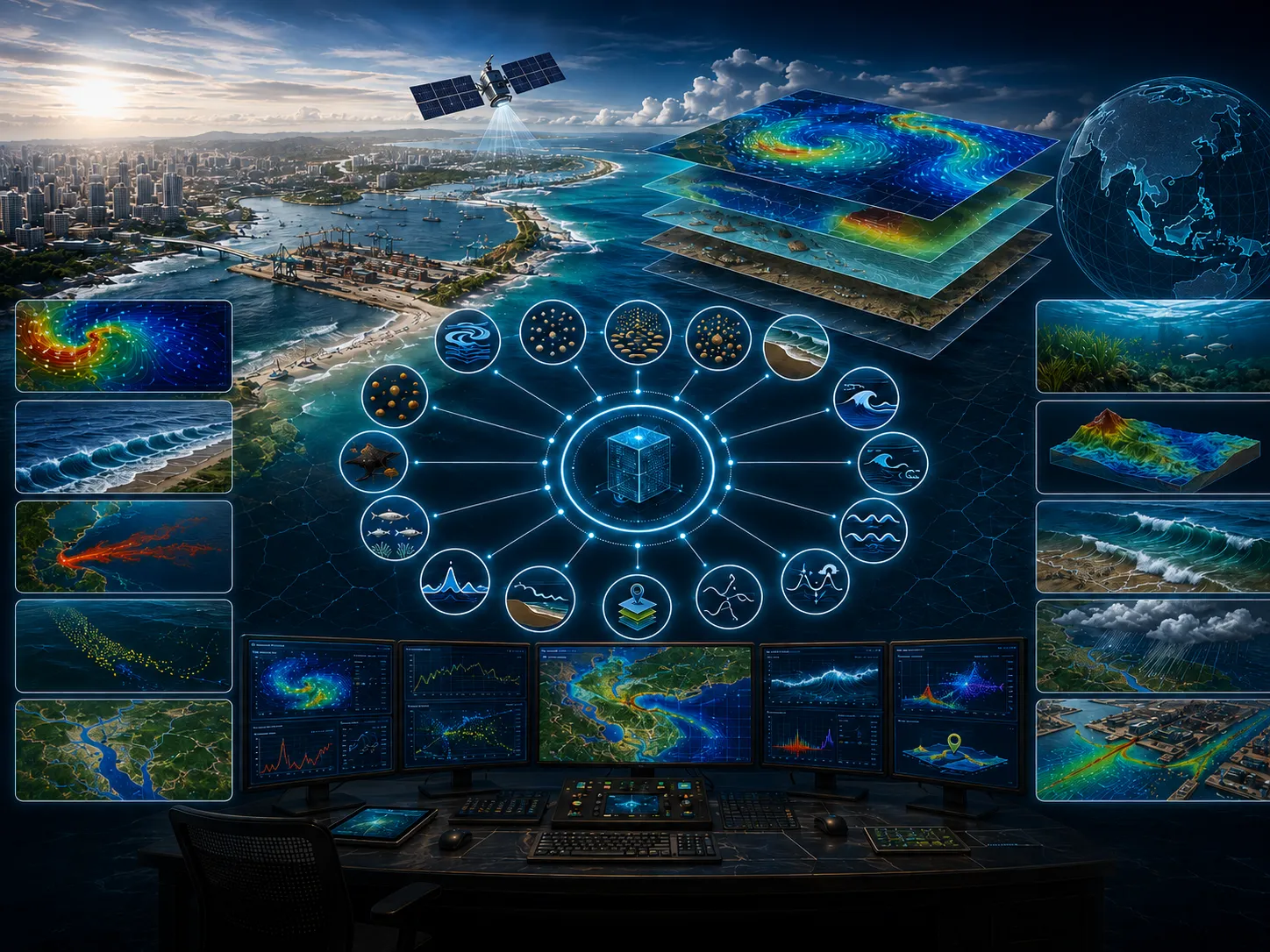
Field surveys, in-situ measurements, laboratory results, historical records, and operating information as required.
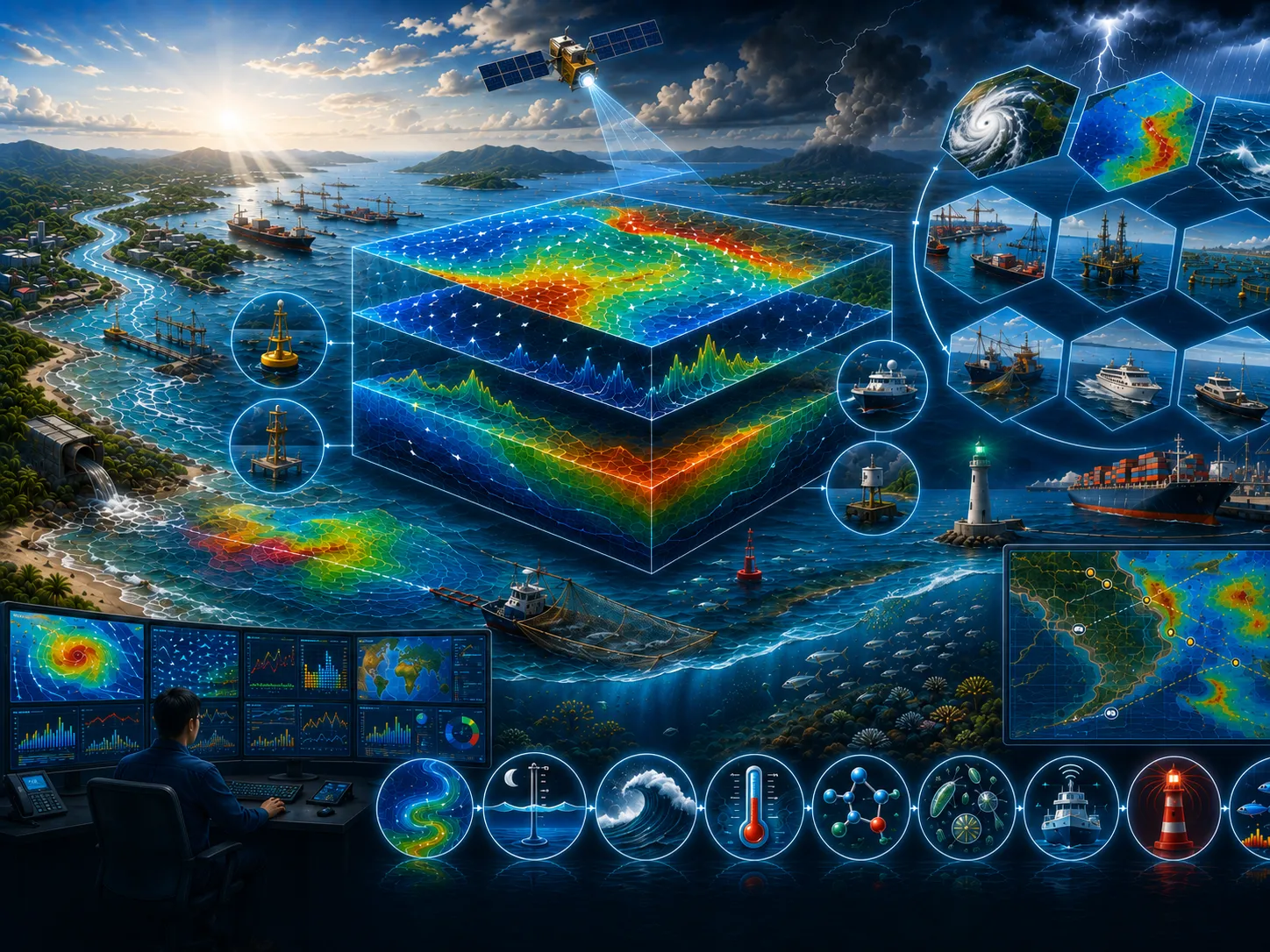
Satellite imagery, mapping, spatial analysis, temporal change, and integration of multiple data sources.
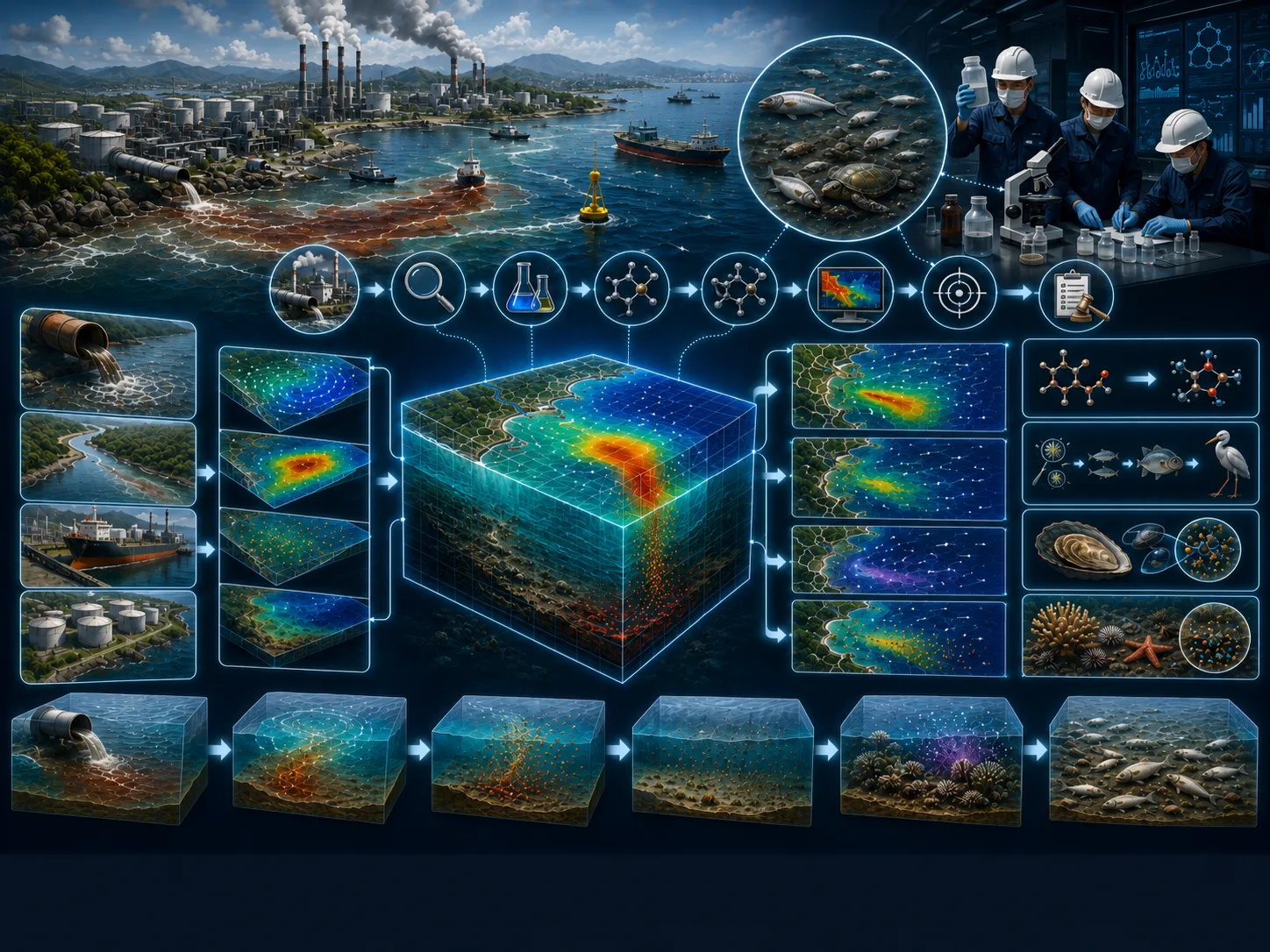
Model setup, calibration, validation, existing–planned–extreme scenarios, and sensitivity analysis.
Metadata, quality controls, assumptions, limitations, data versions, and processing lineage are documented.
Objectives, study area, available data, additional needs, initial risks, and recommended level of detail.
Quality-controlled data, thematic maps, time series, indicators, and comparable visualizations.
Comparison of existing conditions, alternatives, extremes, sensitivities, consequences, and mitigation options.
Methods, results, limitations, recommendations, action priorities, and stakeholder presentation materials.
Assumptions, data, variability, and limitations are stated so decision risk is not hidden.
Alternative locations, designs, operations, or policies are assessed using consistent indicators.
Data needs and analysis depth are proportionate to risk so resources are used efficiently.
Findings and recommendations are transparent for technical, management, regulatory, and partner review.
Objectives, users, location, project phase, problems, constraints, and the decision to support.
Methods, data, surveys, models, schedule, team, deliverables, review gates, and resource estimate.
Collection, inspection, harmonization, documentation, and data-sufficiency assessment.
Processing, modeling, validation, option comparison, sensitivity, and risk evaluation.
Maps, report, executive brief, presentation, supporting data, and follow-up plan.
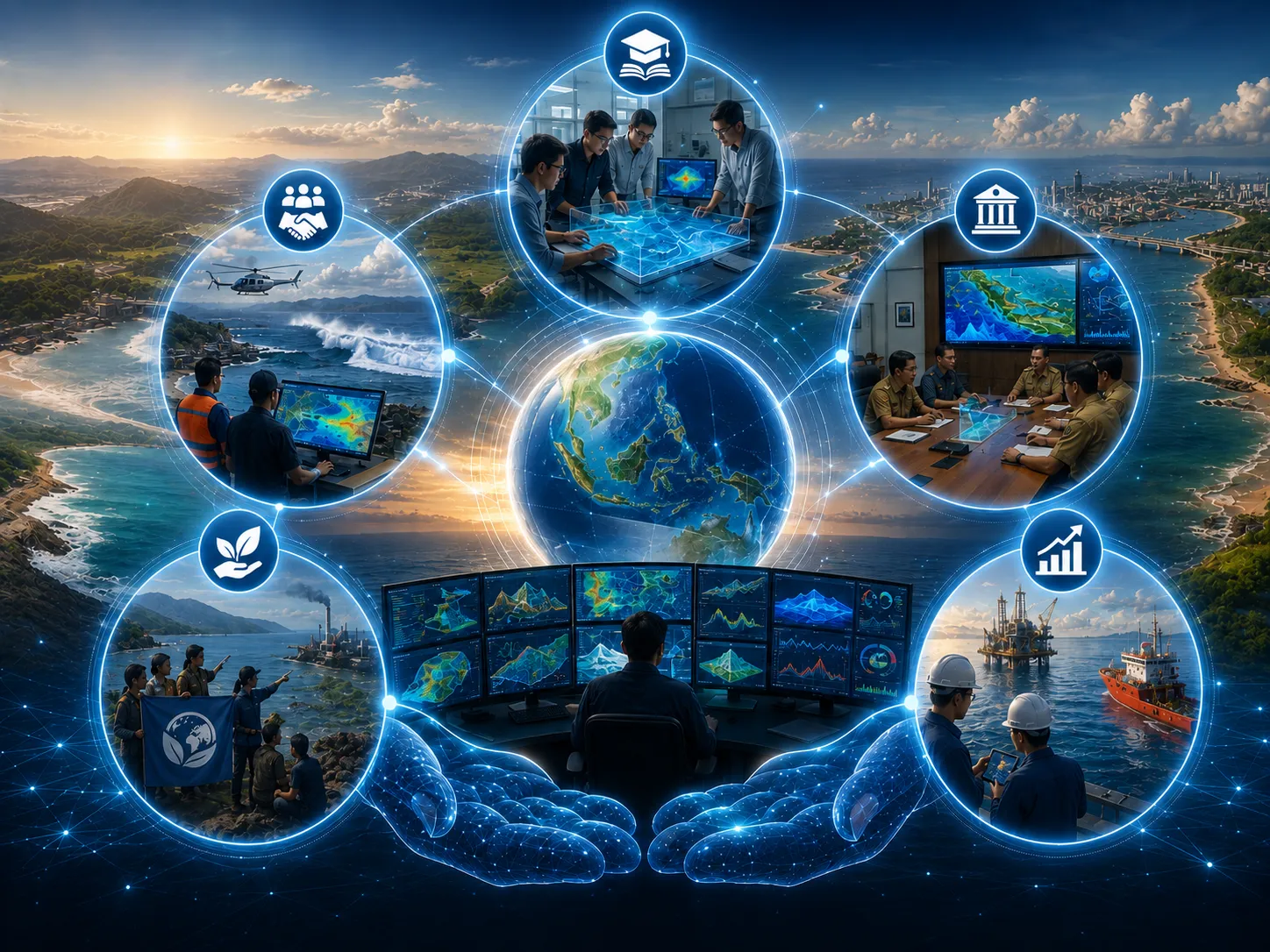
Non-Governmental Organizations (NGOs) carry out activities that are closely connected to social and community interests in coastal areas. In many cases, social and community interests have been neglected due to certain activities and industrial interests, causing harm to local communities. NGOs often take active roles in advocating for and defending community interests. Support based on facts and scientific principles is highly needed to prove that the issues raised by NGOs are valid. These efforts deserve sympathy and real support from various parties.
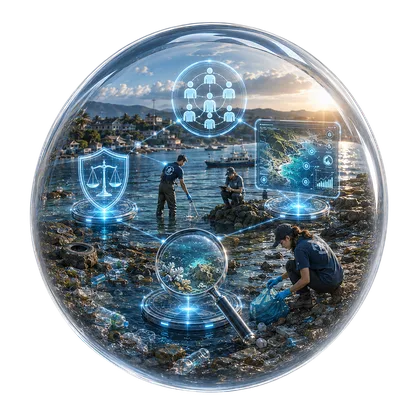
The coastal and marine issues advocated by NGOs generally include environmental degradation and marine pollution. Modeling technology can support studies and assessments conducted by NGOs, particularly those related to the collection of facts and field data, so that the facts and data can be scientifically verified with the help of modeling technology. Modeling technology can help reveal the causes of environmental degradation and trace the origins of marine pollutants. Several existing modeling applications are highly relevant to issues related to environmental degradation and marine pollution.
Modeling technology can support studies and assessments conducted by NGOs in their efforts to advocate for social and community interests.
Research on modeling may be conducted by various parties, including individuals and institutions from universities, government or private research institutions, NGO research organizations, and other…
Learn more →Coastal and marine problems often occur in Indonesian waters. In some cases, these problems escalate and lead to prolonged public debate. Eventually, they may become national issues that must be addressed…
Learn more →The potential of coastal and marine resources varies greatly from one region to another. Each region has its own strengths and limitations. Likewise, the coastal and marine problems that may arise in each…
Learn more →The application of modeling technology can help improve performance and effectiveness in the planning, prevention, response, and operation of marine industries, from coastal areas to offshore waters.
Learn more →The CORZ team will review the objective, scope, data availability, risk level, schedule, and required outputs to prepare a proportionate approach.
Share the location, objectives, key challenges, available data, and expected outputs. The CORZ team will help define a proportionate technical approach.