CONTEXTField conditions and systems being assessed
Enter at least two characters.
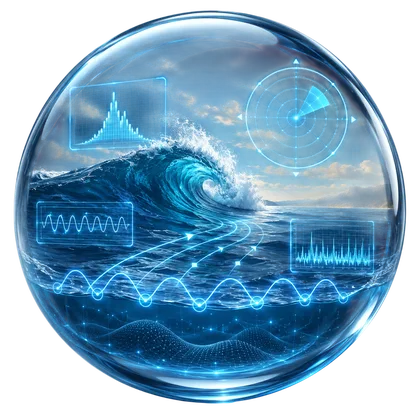
The Wave Analysis Tools Module is an advanced analytical module designed to analyze wave time-series data obtained from physical models, numerical simulations, or field observations.
This page includes a one-page leaflet that can be opened in a full-image popup. It helps present the core CORZ service clearly and convincingly during project discussions, executive briefings, and decision-support meetings.
With a more proportional balance between visuals and text, the page feels brighter and more energetic while still keeping the important technical context visible and easy to understand.
Use this leaflet as a concise visual entry point before moving into the more detailed technical explanation.
Clarity before a decision is made
The Wave Analysis Tools Module is an advanced analytical module designed to analyze wave time-series data obtained from physical models, numerical simulations, or field observations.
This submodule analyzes wave time-series data in the frequency domain using the Fast Fourier Transform (FFT). It assumes that a wave time series is composed of an unlimited number of wave components with different amplitudes and phases, forming a wave superposition.
Define when and how to use wave analysis tools, including required data, configuration, validation, and scenarios.
Non-representative models, insufficient data, weak validation, and over-interpretation.
Transparent, validated models that respond to scenarios at the decision scale.
This aspect is assessed to clarify its implications for wave analysis tools.
This aspect is assessed to clarify its implications for wave analysis tools.
This aspect is assessed to clarify its implications for wave analysis tools.
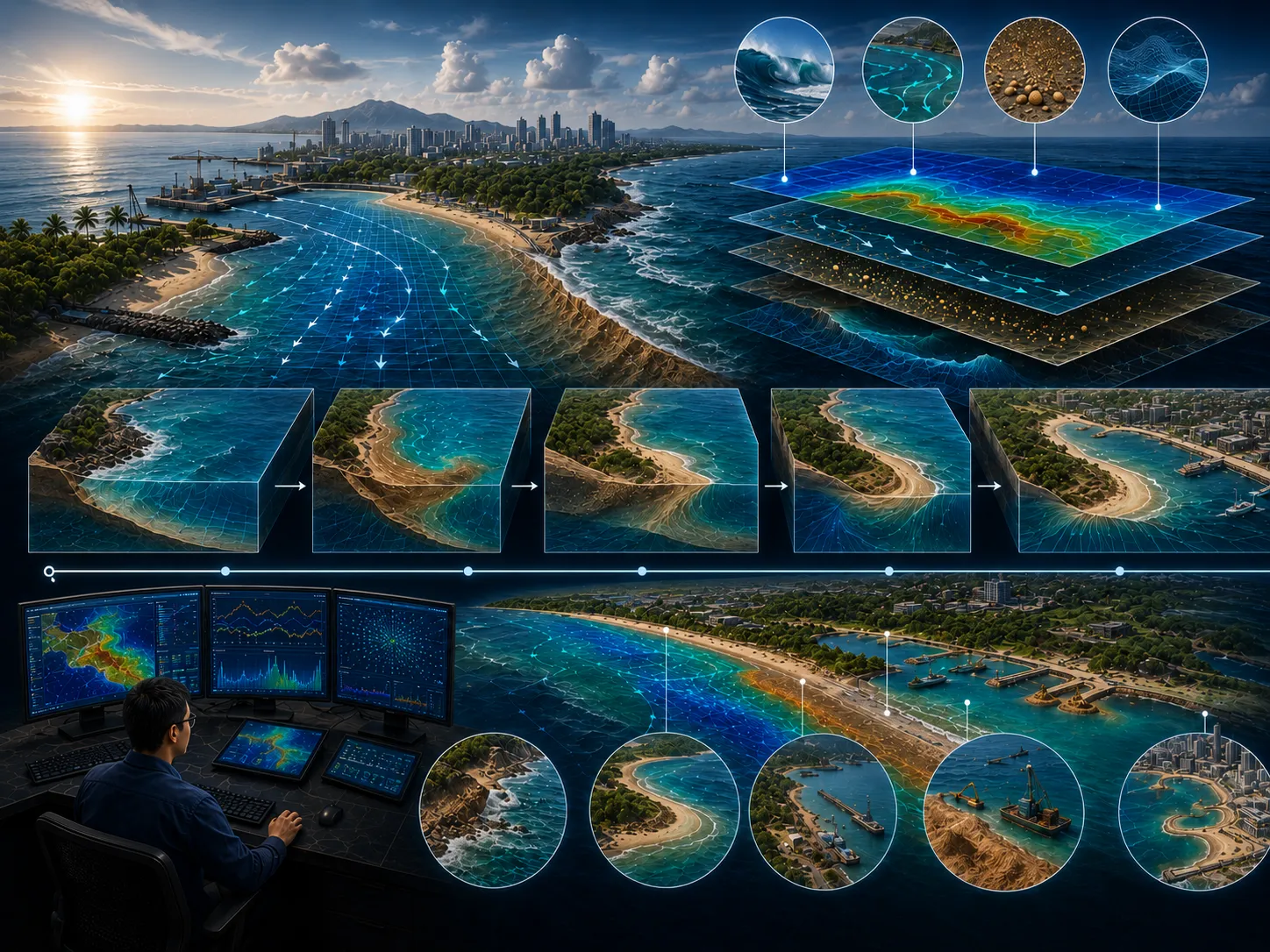
This aspect is assessed to clarify its implications for wave analysis tools.
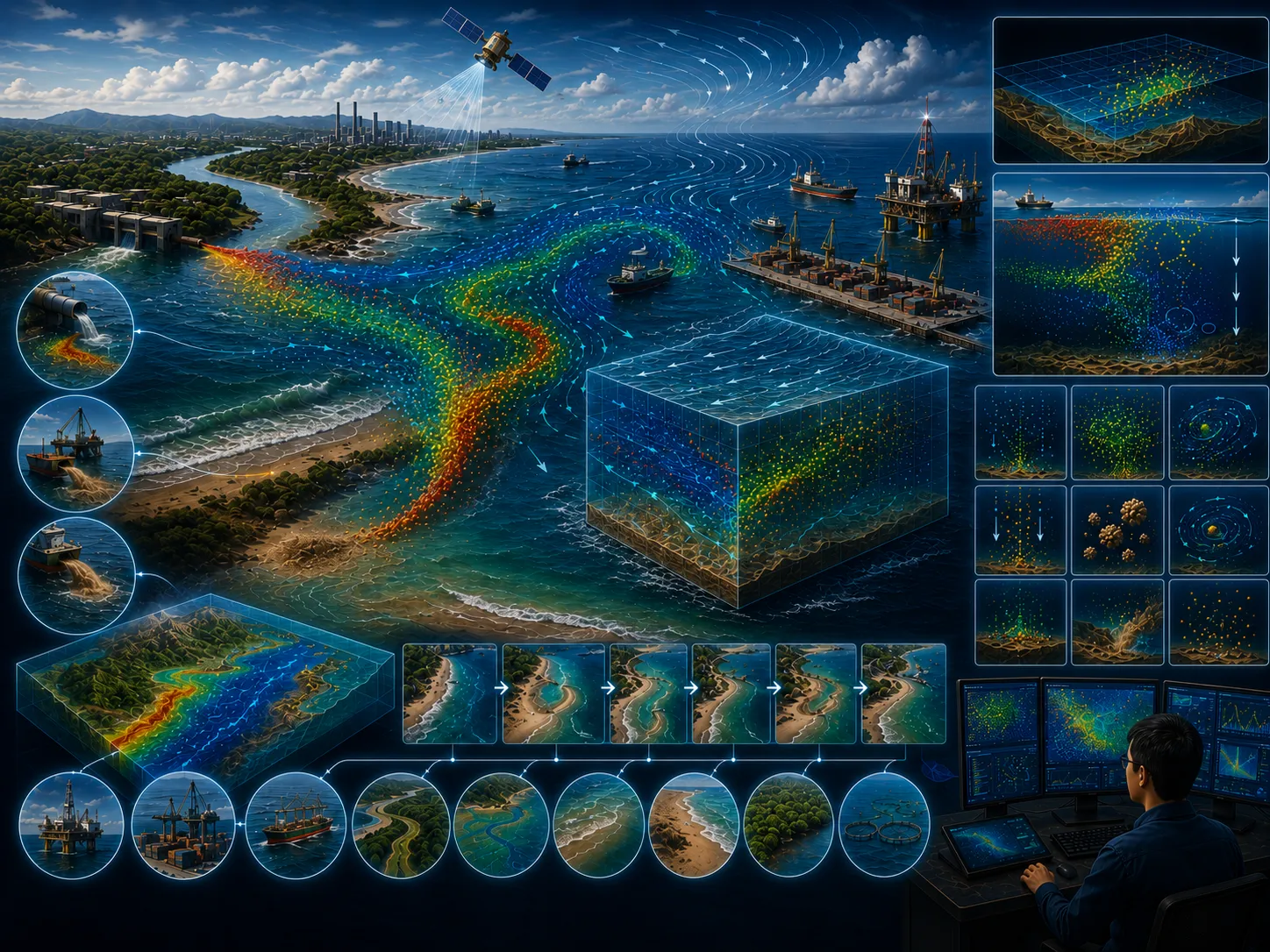
This aspect is assessed to clarify its implications for wave analysis tools.
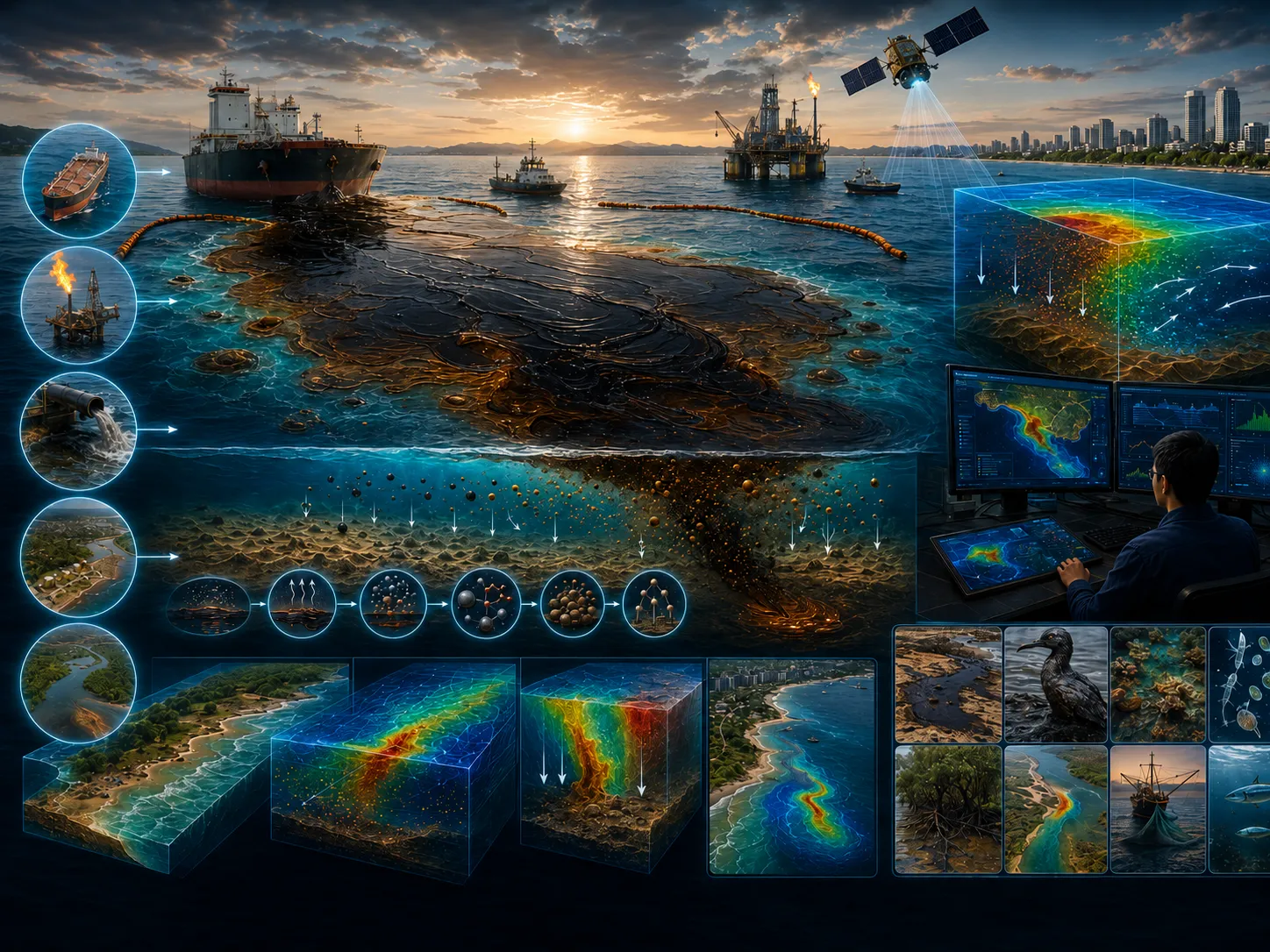
This aspect is assessed to clarify its implications for wave analysis tools.
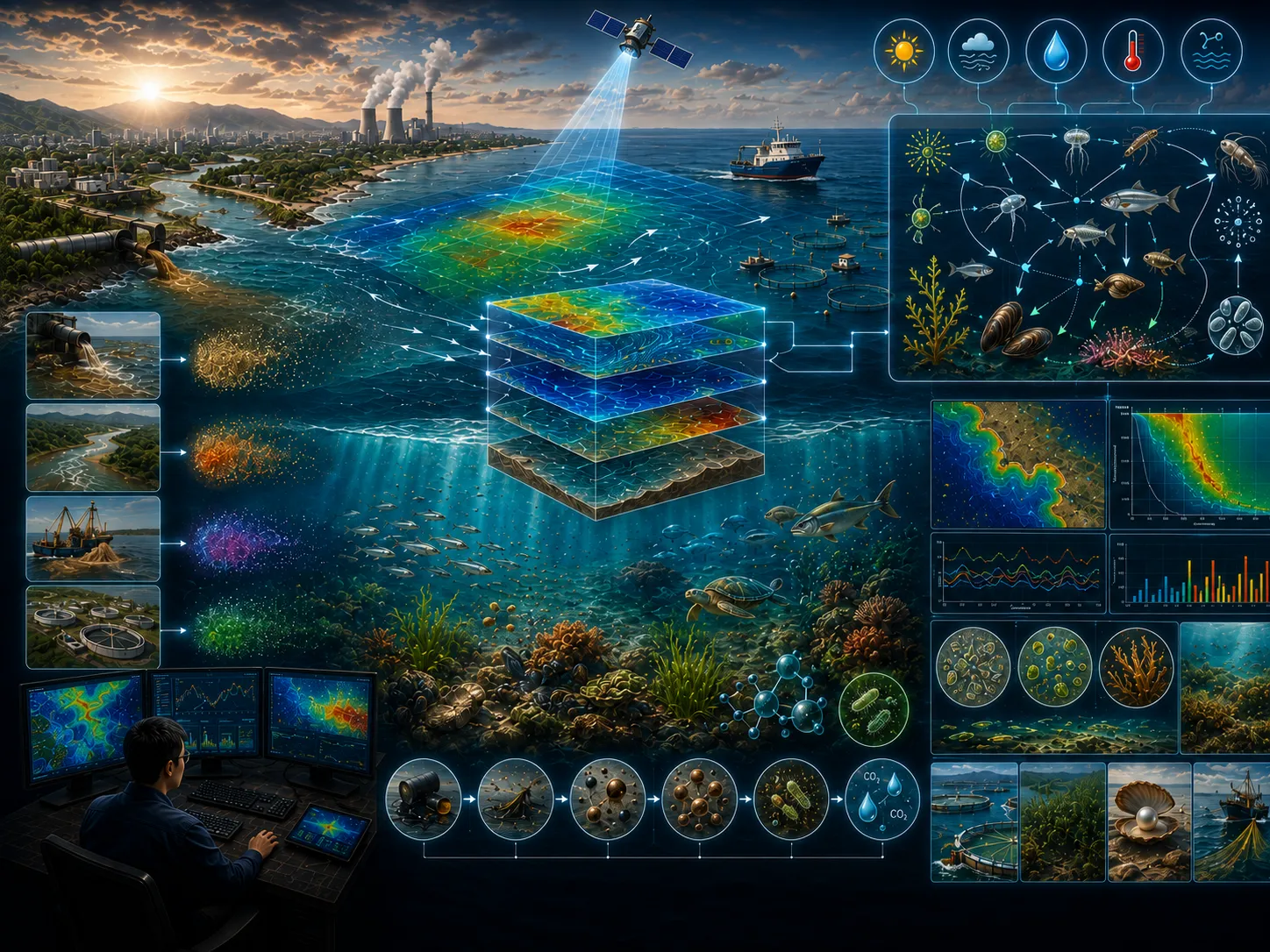
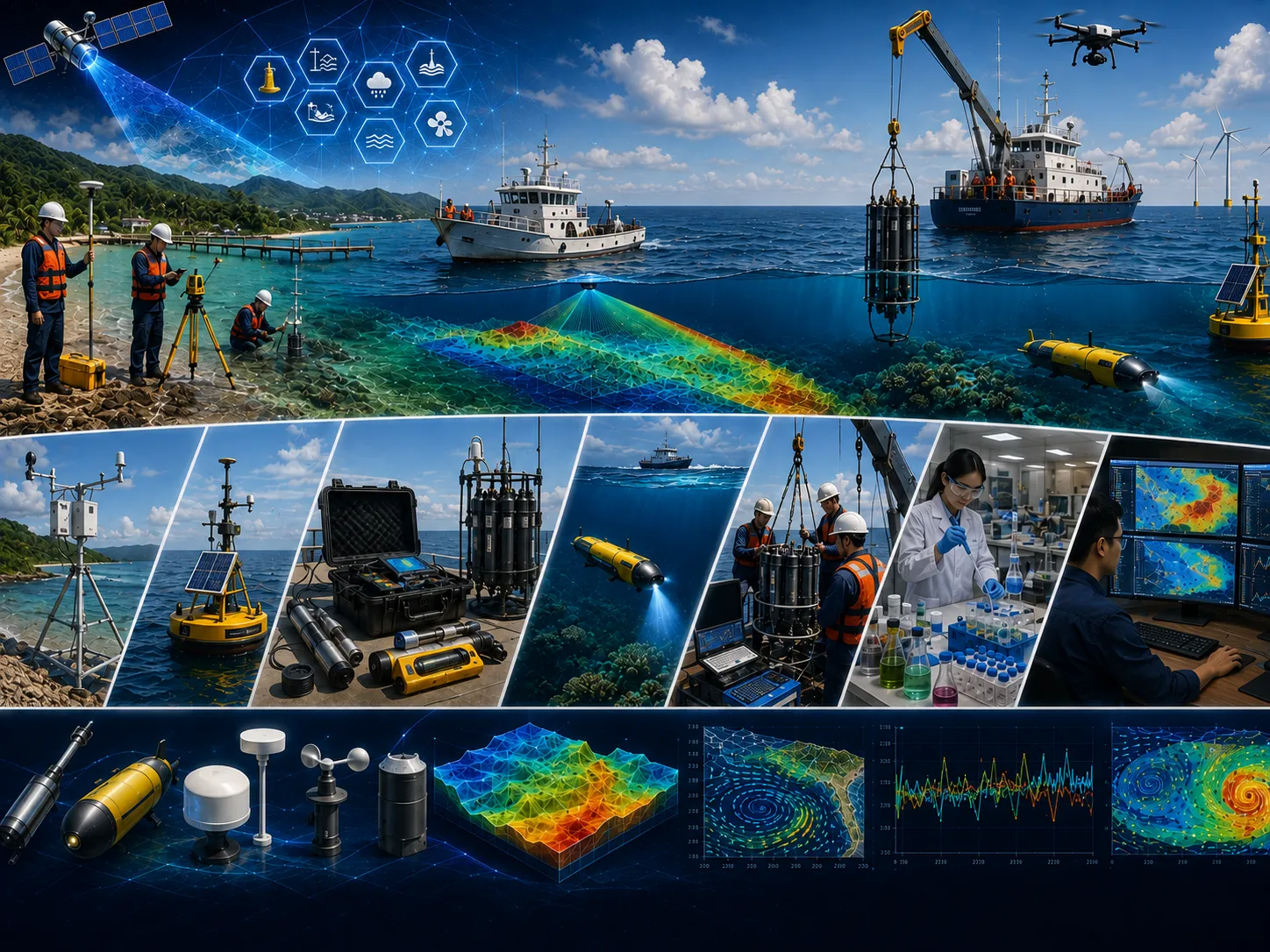
Field surveys, in-situ measurements, laboratory results, historical records, and operating information as required.
Satellite imagery, mapping, spatial analysis, temporal change, and integration of multiple data sources.
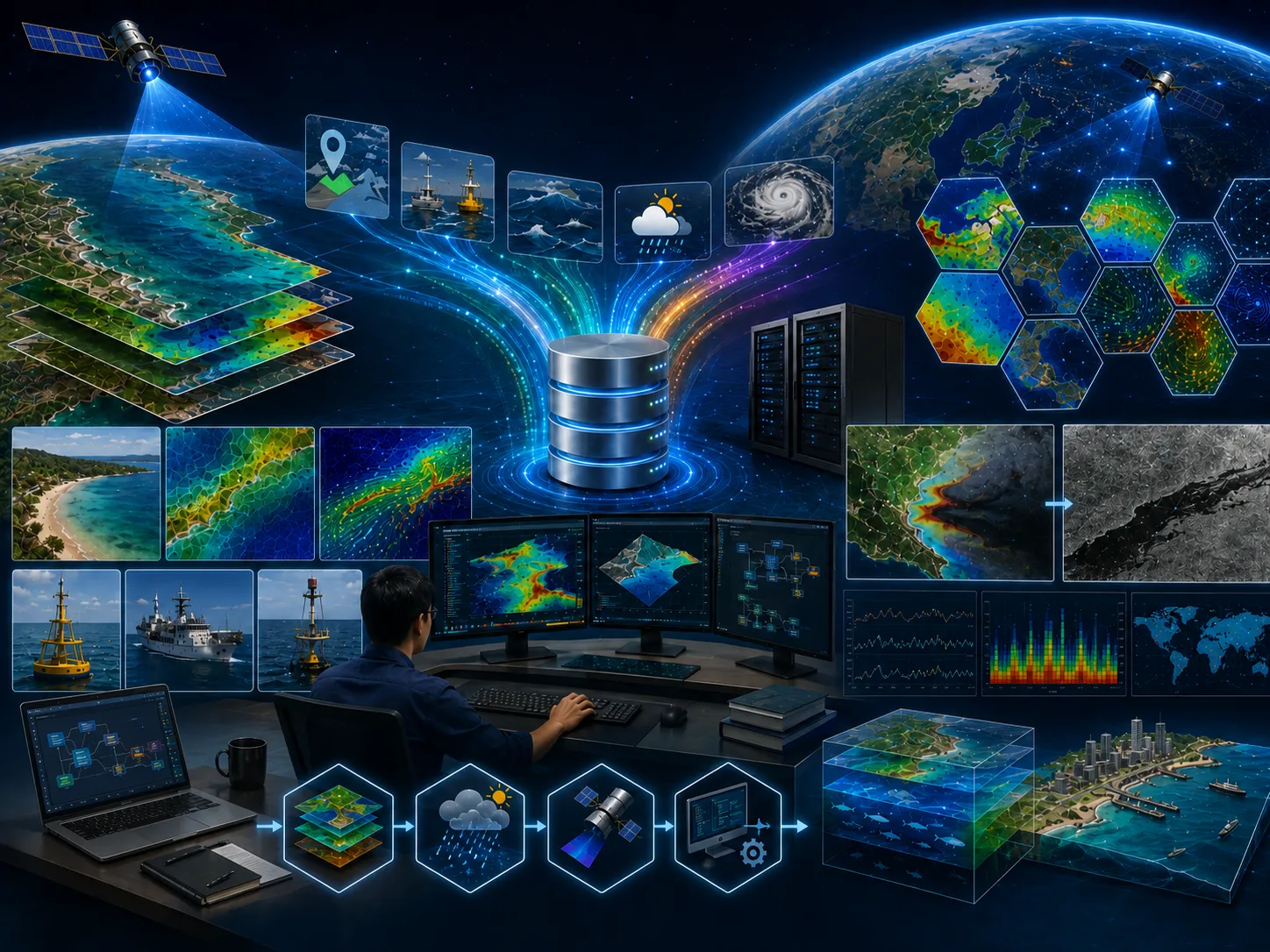
Model setup, calibration, validation, existing–planned–extreme scenarios, and sensitivity analysis.
Metadata, quality controls, assumptions, limitations, data versions, and processing lineage are documented.
Objectives, study area, available data, additional needs, initial risks, and recommended level of detail.
Quality-controlled data, thematic maps, time series, indicators, and comparable visualizations.
Comparison of existing conditions, alternatives, extremes, sensitivities, consequences, and mitigation options.
Methods, results, limitations, recommendations, action priorities, and stakeholder presentation materials.
Assumptions, data, variability, and limitations are stated so decision risk is not hidden.
Alternative locations, designs, operations, or policies are assessed using consistent indicators.
Data needs and analysis depth are proportionate to risk so resources are used efficiently.
Findings and recommendations are transparent for technical, management, regulatory, and partner review.
Objectives, users, location, project phase, problems, constraints, and the decision to support.
Methods, data, surveys, models, schedule, team, deliverables, review gates, and resource estimate.
Collection, inspection, harmonization, documentation, and data-sufficiency assessment.
Processing, modeling, validation, option comparison, sensitivity, and risk evaluation.
Maps, report, executive brief, presentation, supporting data, and follow-up plan.
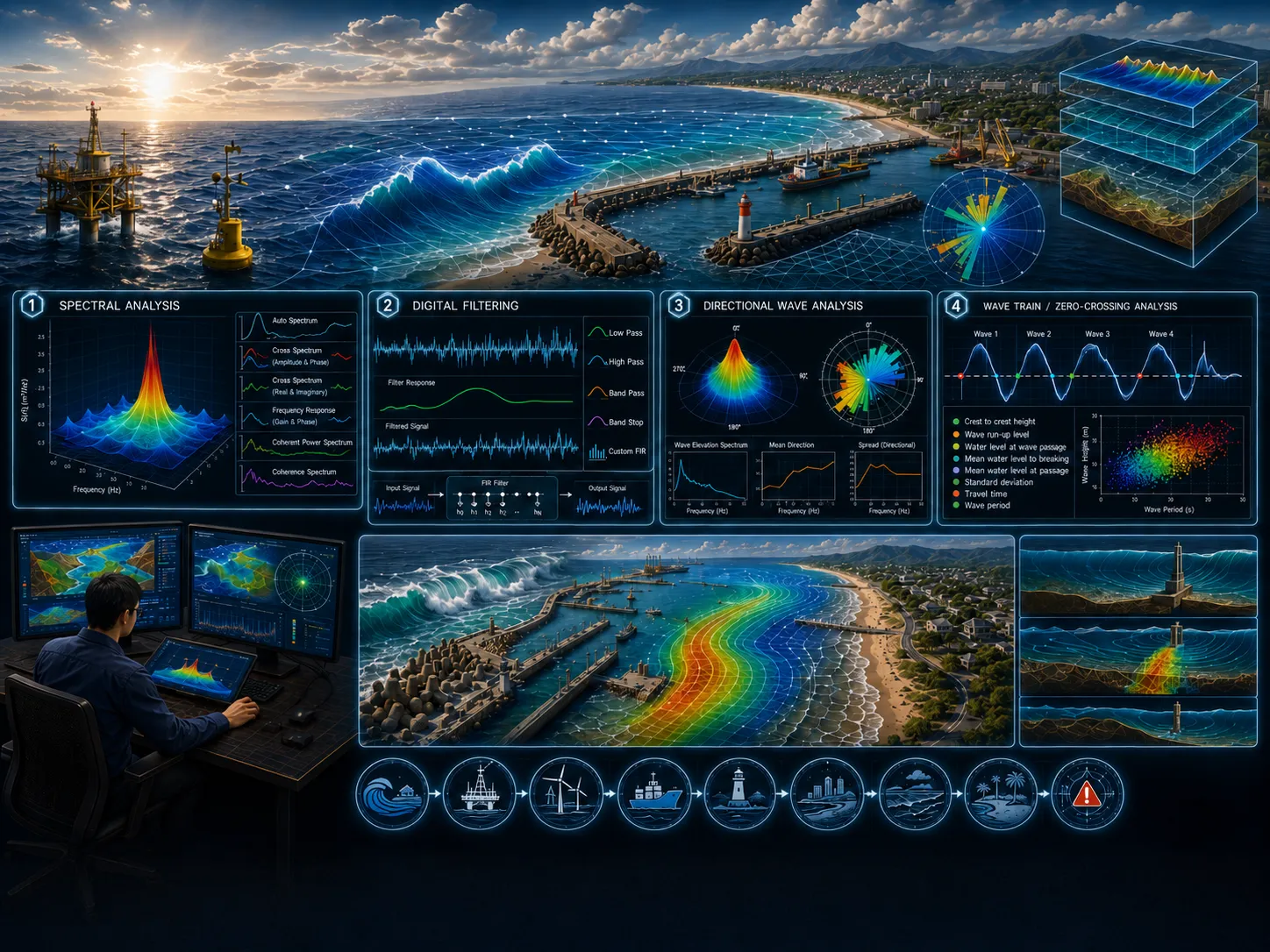
The Wave Analysis Tools Module is an advanced analytical module designed to analyze wave time-series data obtained from physical models, numerical simulations, or field observations. This module consists of four main submodules:
This submodule analyzes wave time-series data in the frequency domain using the Fast Fourier Transform (FFT). It assumes that a wave time series is composed of an unlimited number of wave components with different amplitudes and phases, forming a wave superposition.
The Digital Filter Analysis submodule provides a wide range of digital filtering options. In general, filtering is the process of selecting, attenuating, or suppressing specific frequency components from a time-series signal in order to shape the frequency spectrum of the signal.
This filter uses a classification known as Finite Impulse Response (FIR), also referred to as a non-recursive filter. FIR filters are characterized by specific filter coefficients in the time domain and produce a corresponding transfer function in the frequency domain.
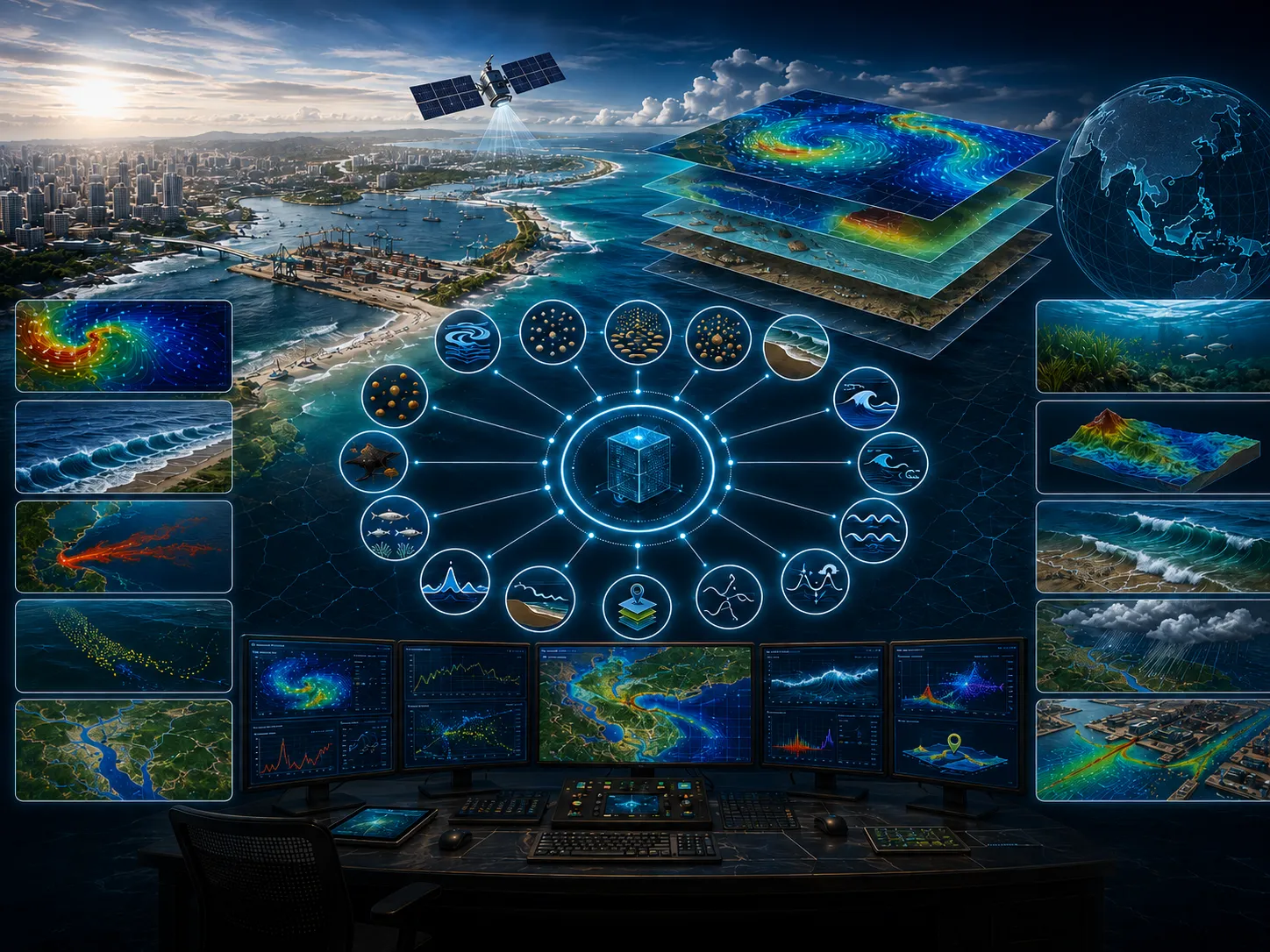
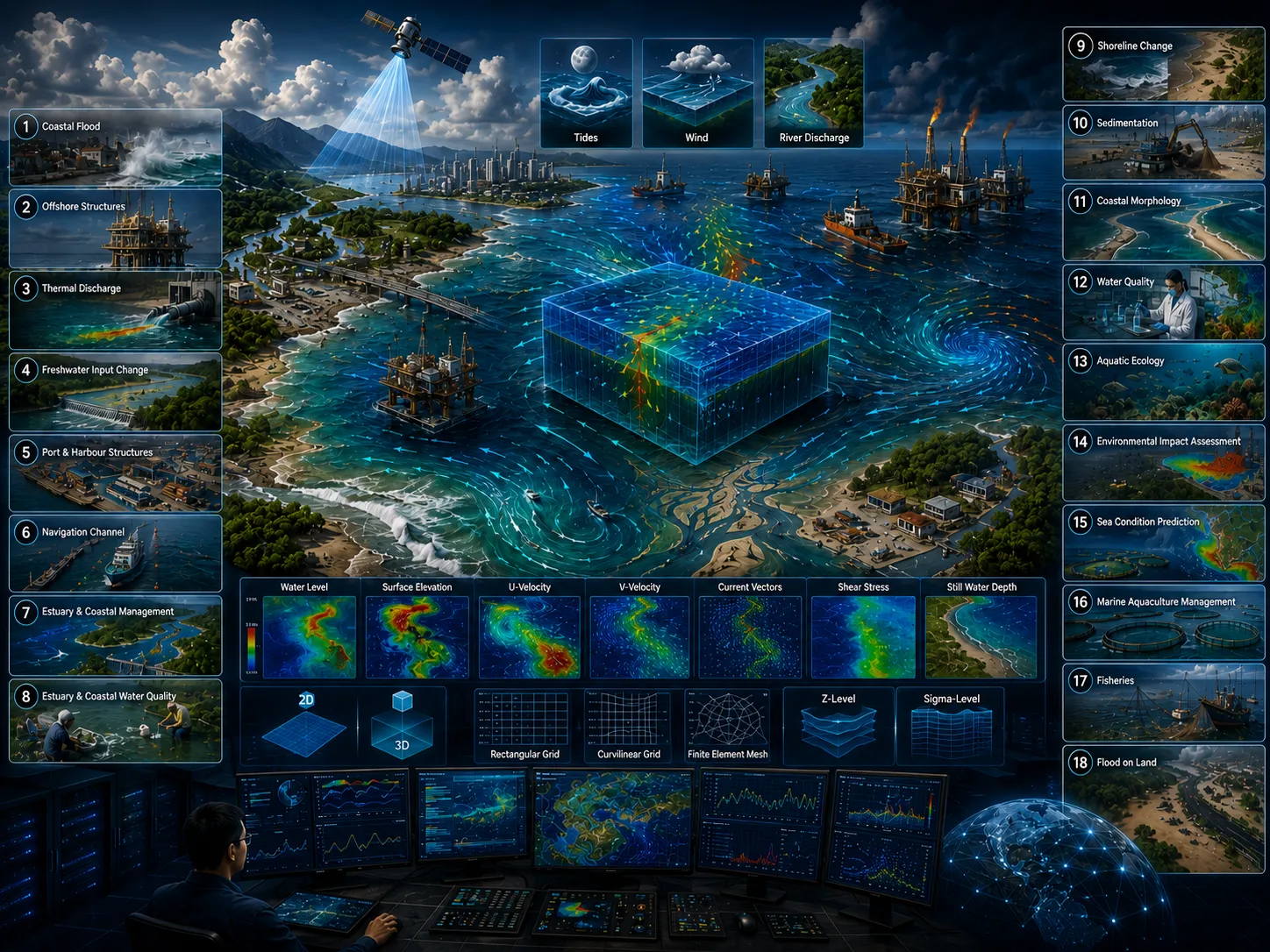
The Hydrodynamic Module simulates variations in water levels and current circulation generated by multiple driving forces, including tides, wind, river discharge, and wave-induced radiation stress…
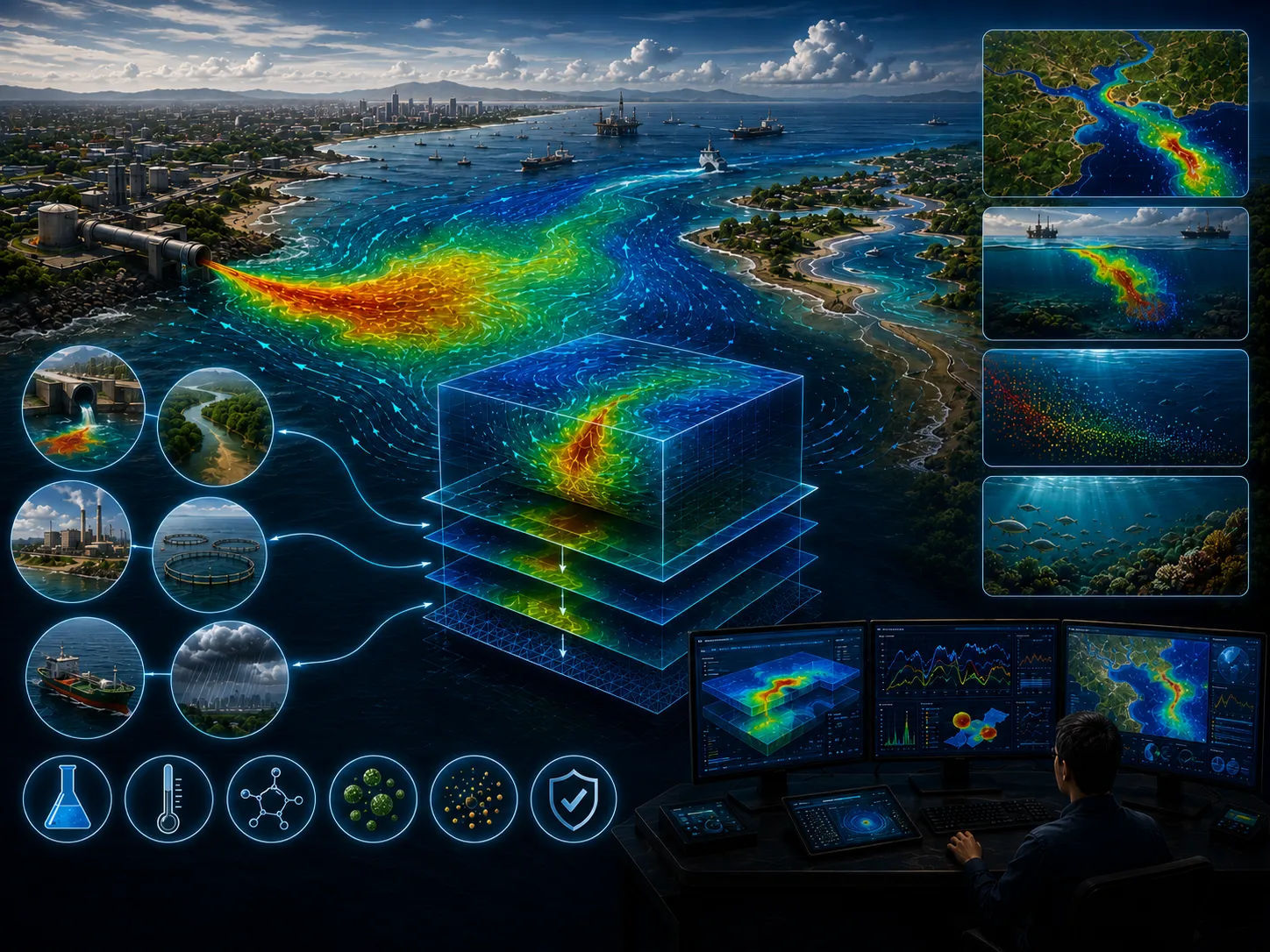
Learn more →The Advection–Dispersion Module simulates the transport, dispersion, and decay of dissolved or suspended substances and materials within aquatic environments.
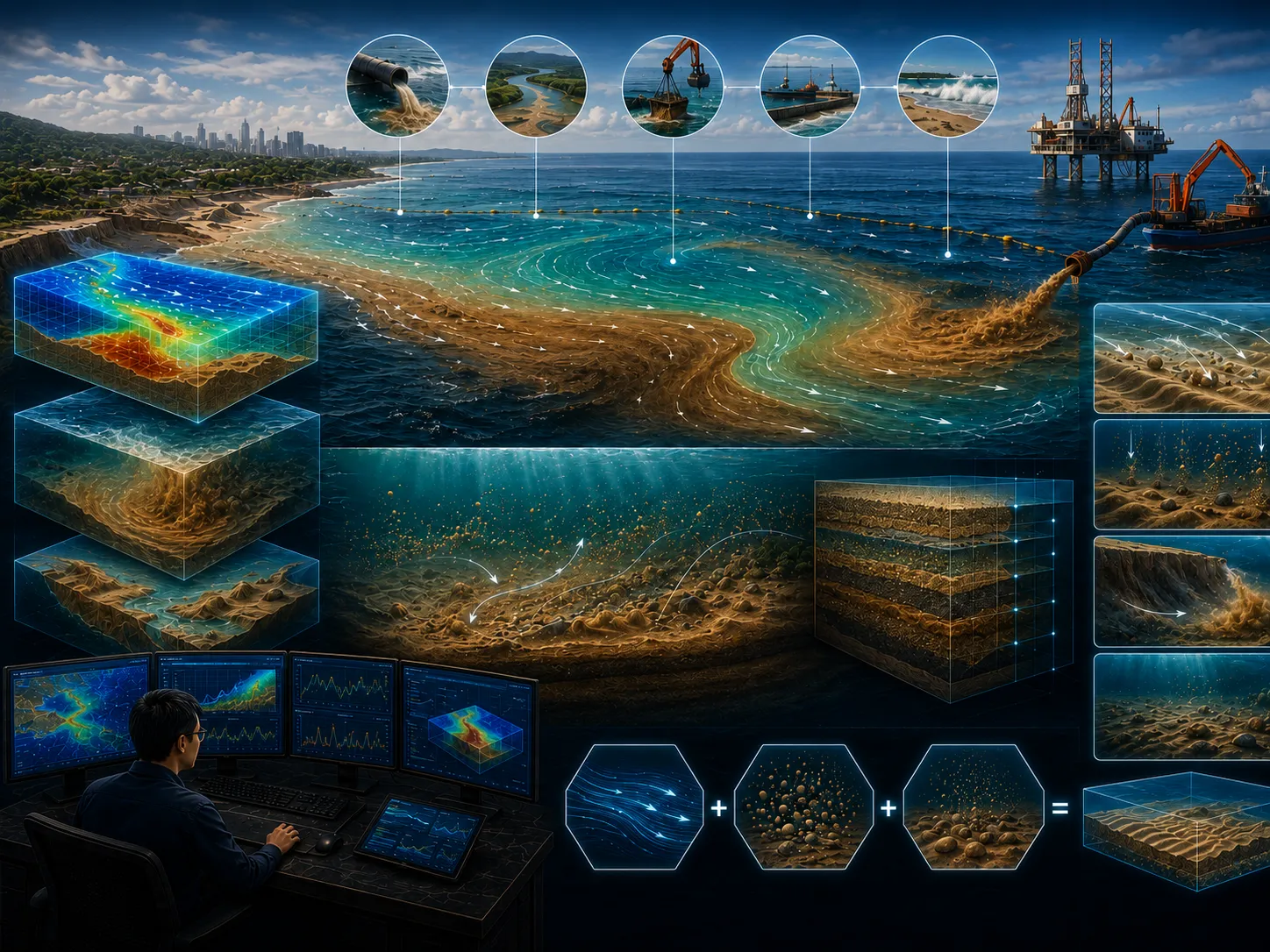
Learn more →The Bottom Sediment Transport Module simulates the erosion, transport, deposition, and accumulation of bottom sediments.
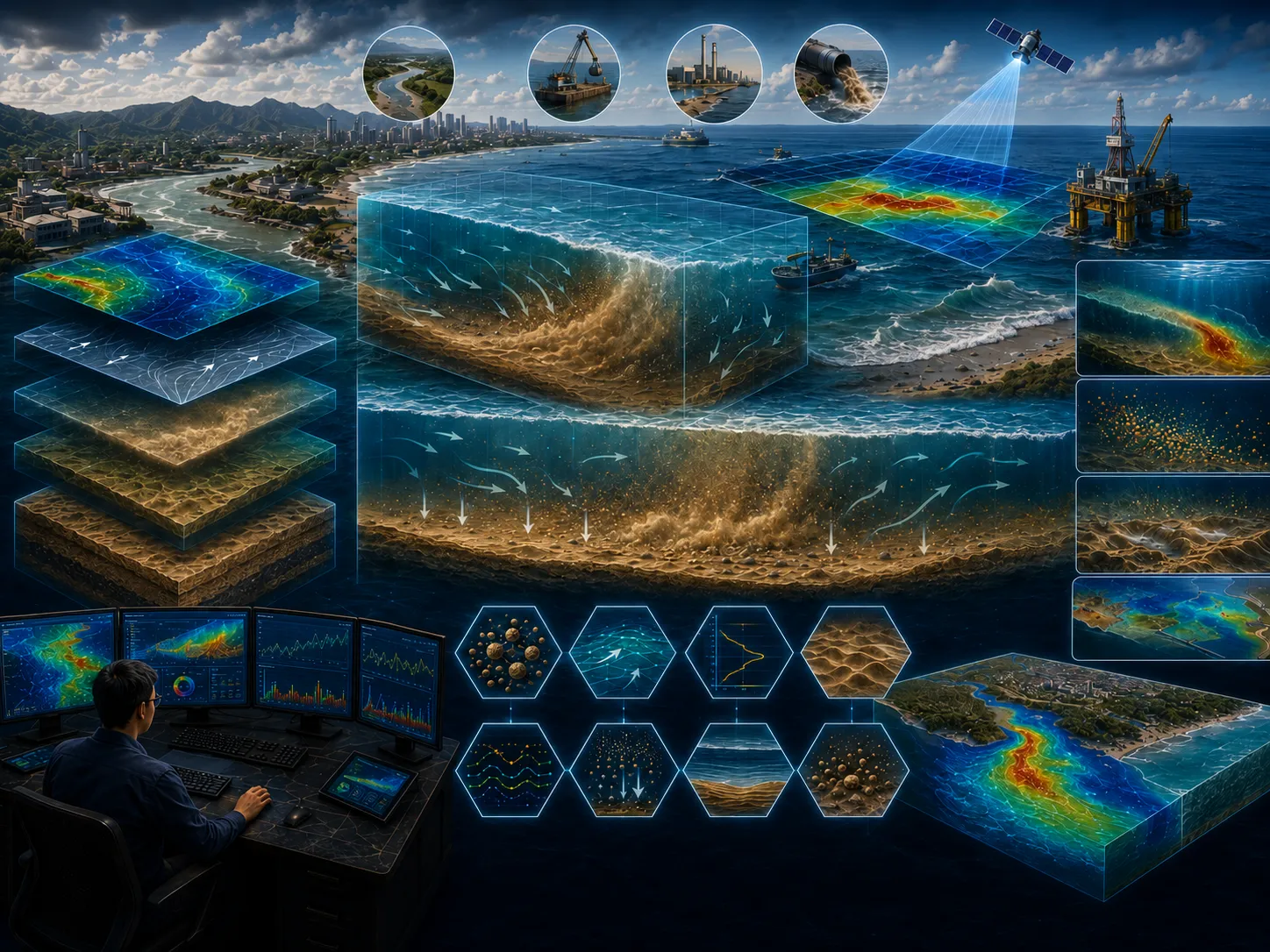
Learn more →The Water Column Sediment Transport Module simulates the transport, dispersion, settling, erosion, and deposition of suspended sediments throughout the water column.
Learn more →The Coastal Morphology Module is an integrated numerical modeling system that combines wave, hydrodynamic, and sediment transport modules to simulate the time-dependent evolution of coastal morphology.
Learn more →The Particle Tracking Module is one of the most efficient tools for studying the distribution of dissolved and suspended particles in aquatic environments.
Learn more →The CORZ team will review the objective, scope, data availability, risk level, schedule, and required outputs to prepare a proportionate approach.
Share the location, objectives, key challenges, available data, and expected outputs. The CORZ team will help define a proportionate technical approach.