CONTEXTField conditions and systems being assessed
Enter at least two characters.
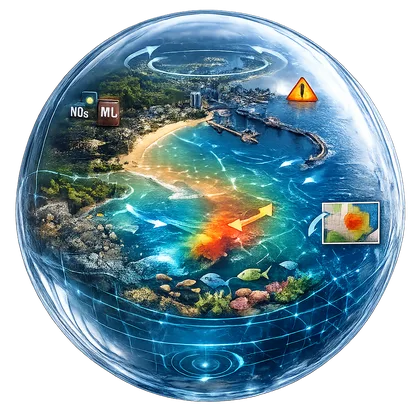
Marine chemical parameters play a critical role in a wide range of activities conducted in coastal waters, river estuaries, inland waterways, and offshore environments.
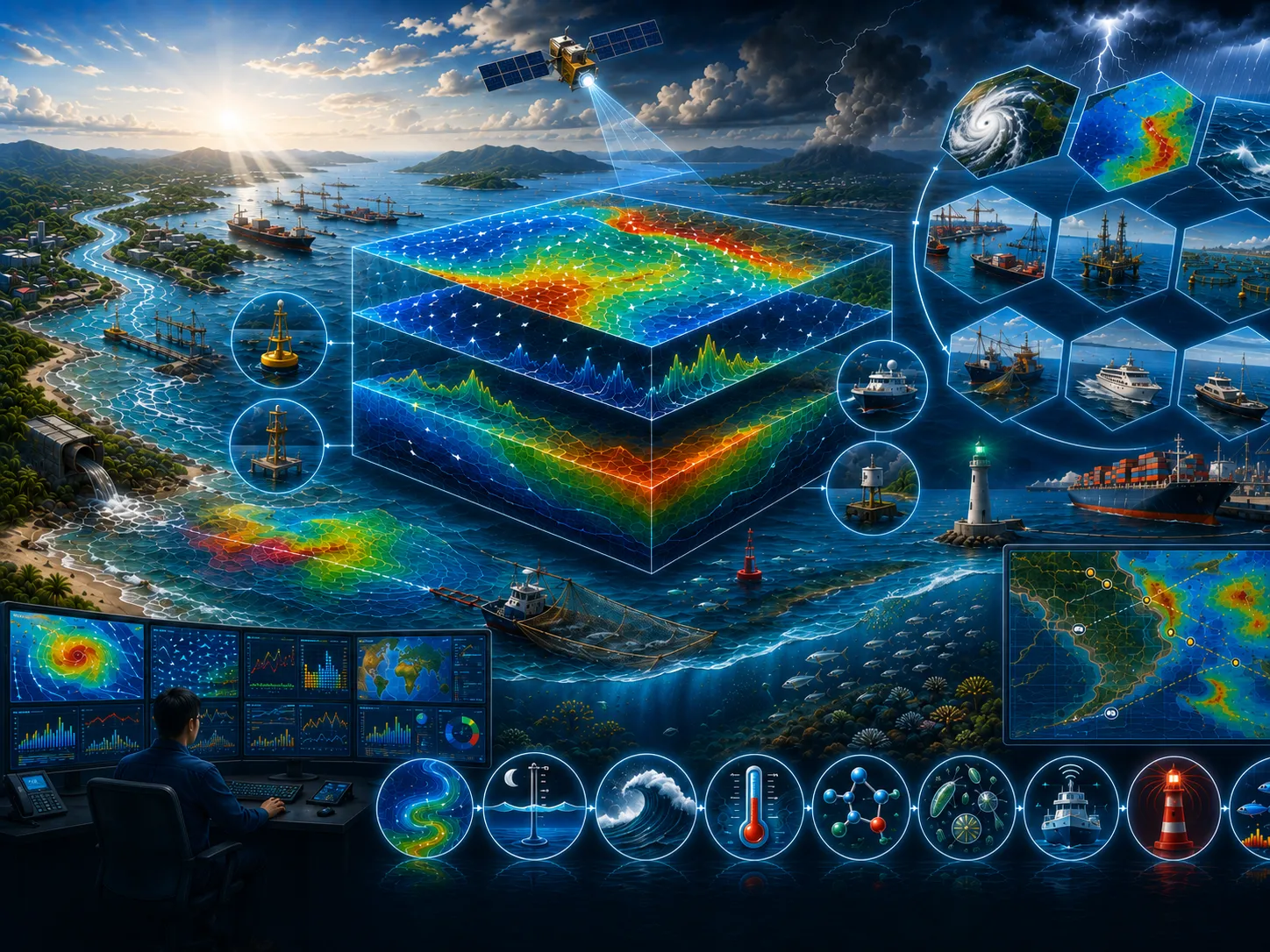
This page includes a one-page leaflet that can be opened in a full-image popup. It helps present the core CORZ service clearly and convincingly during project discussions, executive briefings, and decision-support meetings.
With a more proportional balance between visuals and text, the page feels brighter and more energetic while still keeping the important technical context visible and easy to understand.
Use this leaflet as a concise visual entry point before moving into the more detailed technical explanation.

Clarity before a decision is made
Marine chemical parameters play a critical role in a wide range of activities conducted in coastal waters, river estuaries, inland waterways, and offshore environments.
For example, marine aquaculture and coastal tourism depend heavily on maintaining high water quality. Forecasting chemical water quality enables managers to determine whether a chemical entering a coastal area poses a potential environmental or public health risk.
Define the approach, priorities, and actions for marine chemical parameter prediction using traceable evidence.
Environmental impact, design failure, operational disruption, uncontrolled cost, and weak assumptions.
Comparable options, quantified risk, and implementable recommendations.
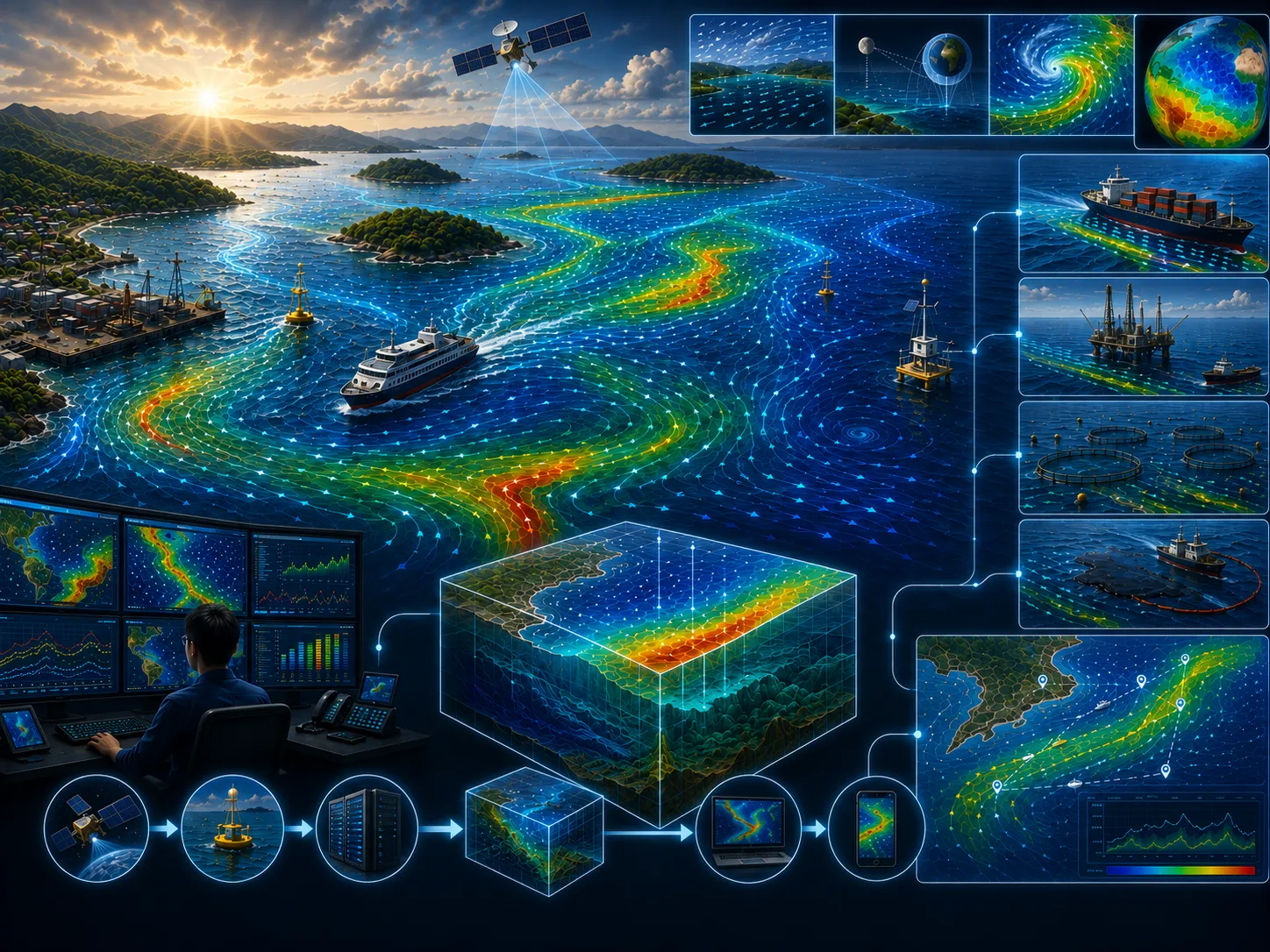
This aspect is assessed to clarify its implications for marine chemical parameter prediction.
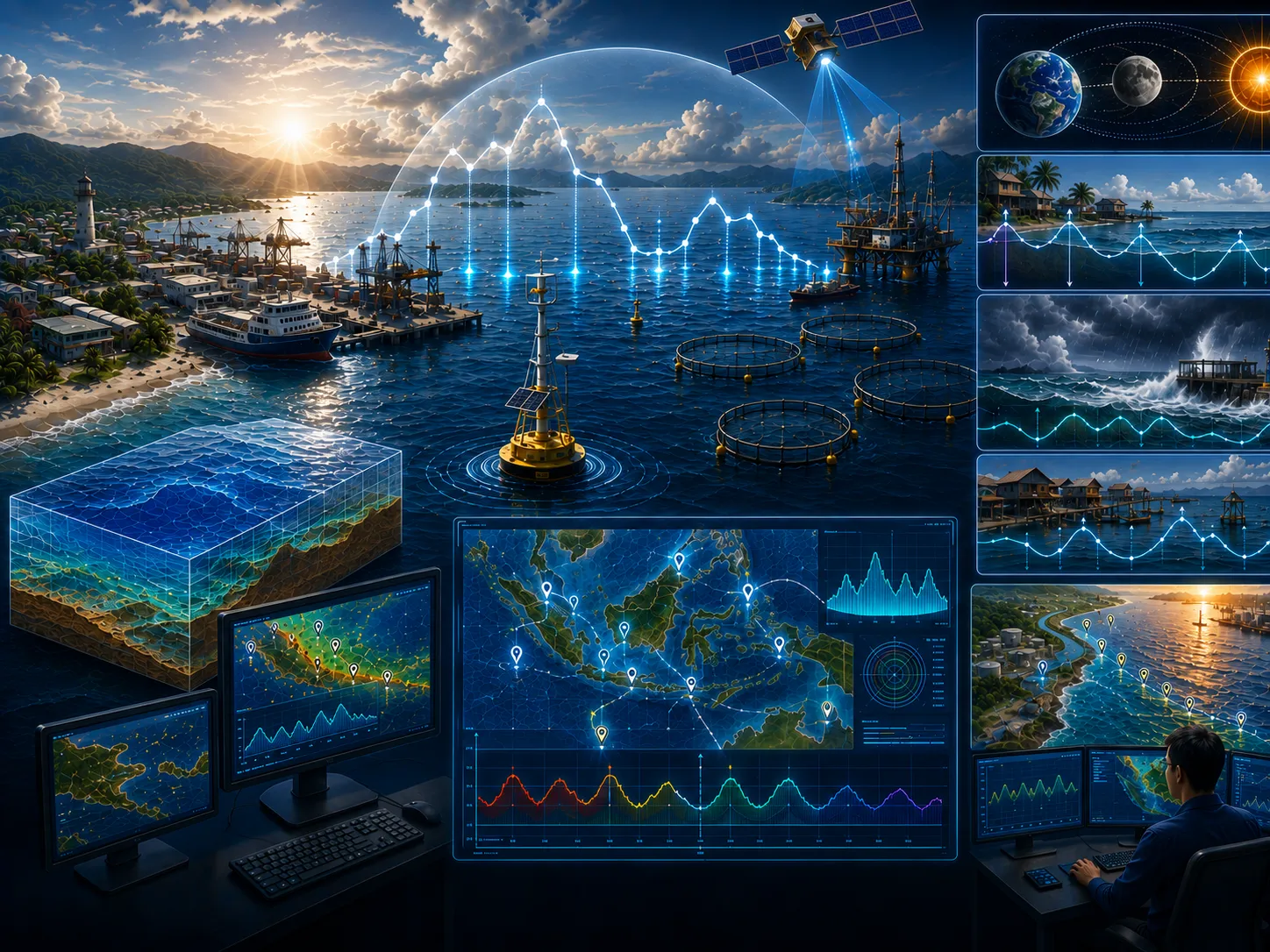
This aspect is assessed to clarify its implications for marine chemical parameter prediction.
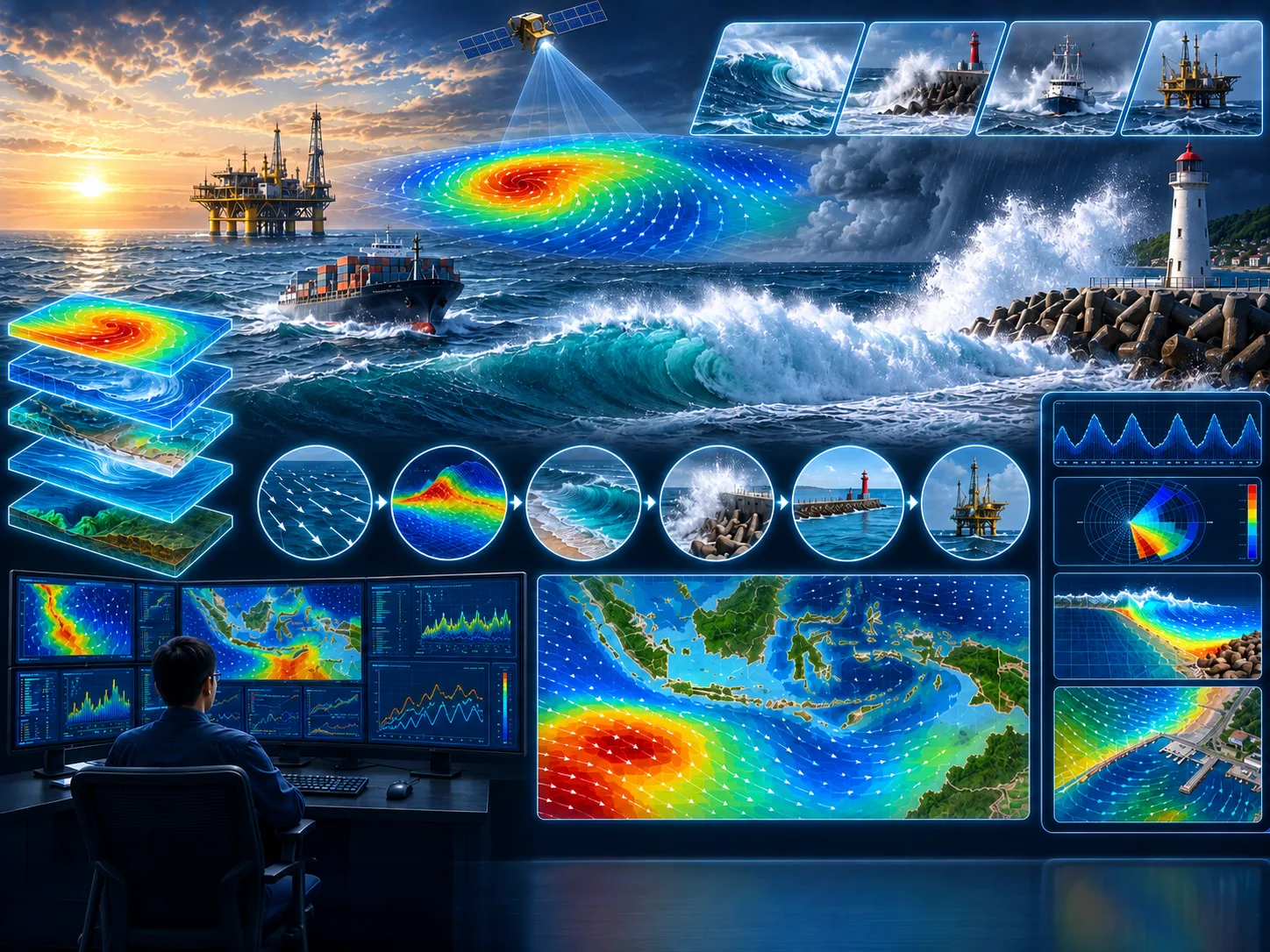
This aspect is assessed to clarify its implications for marine chemical parameter prediction.
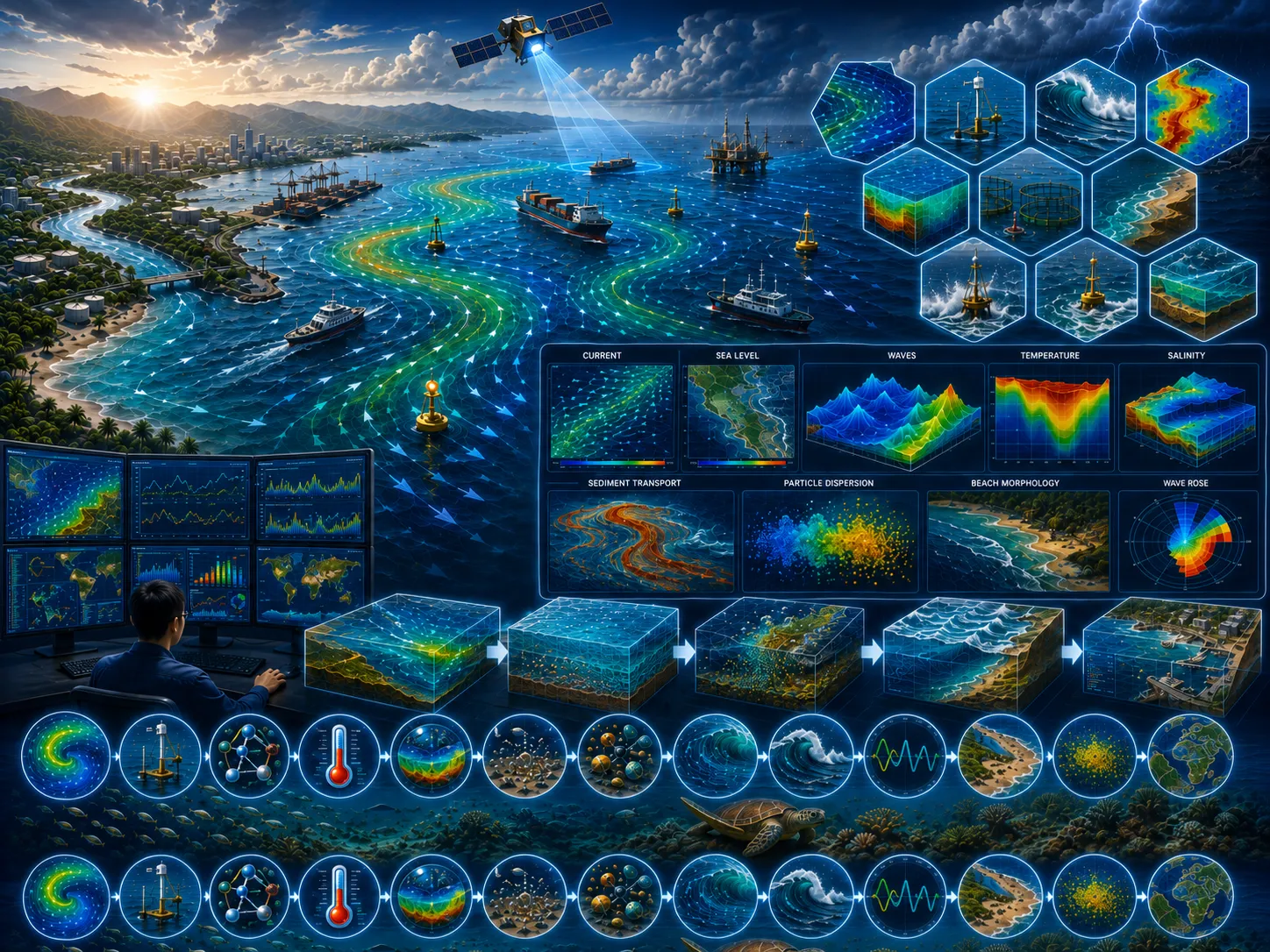
This aspect is assessed to clarify its implications for marine chemical parameter prediction.
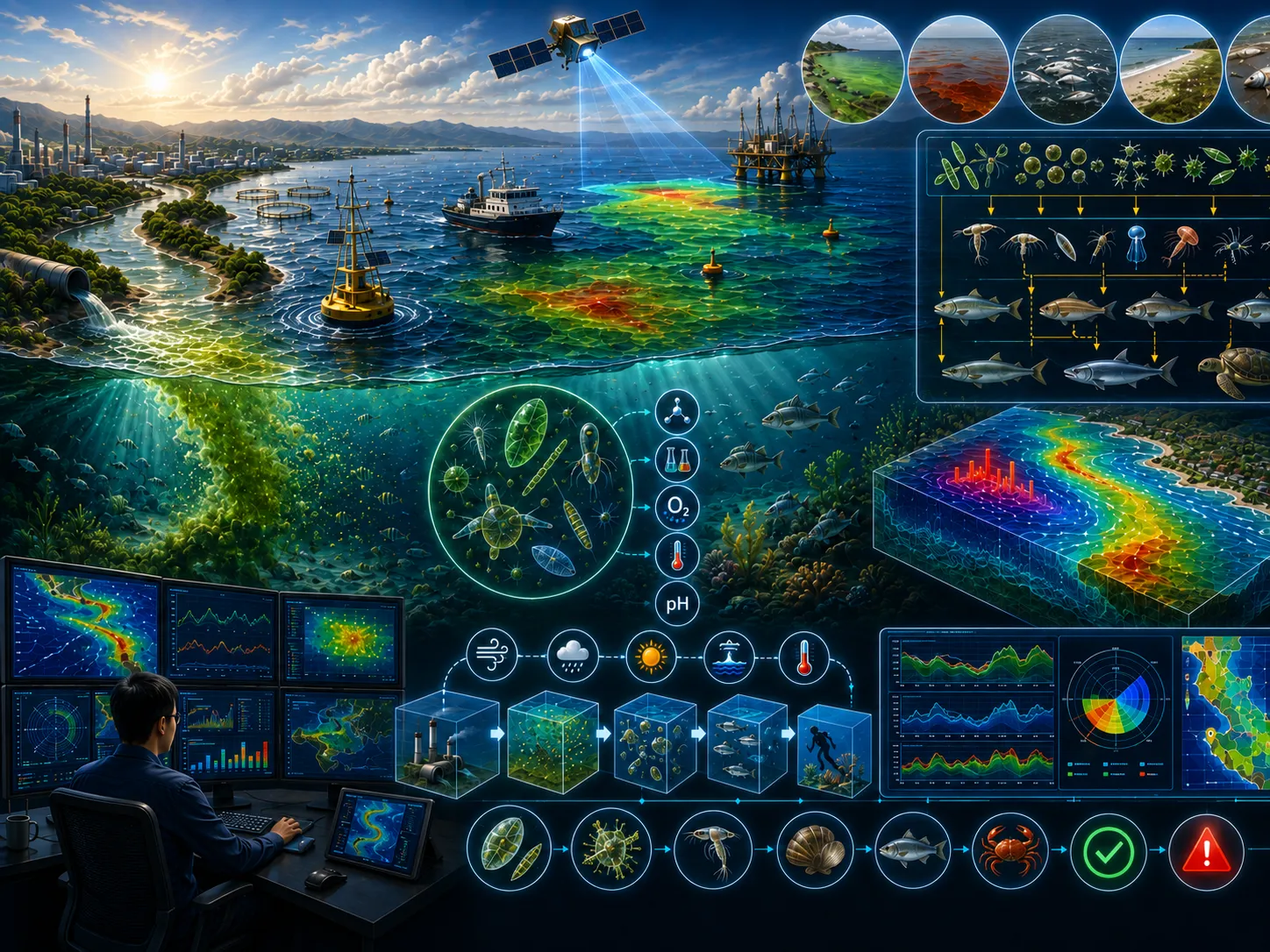
This aspect is assessed to clarify its implications for marine chemical parameter prediction.
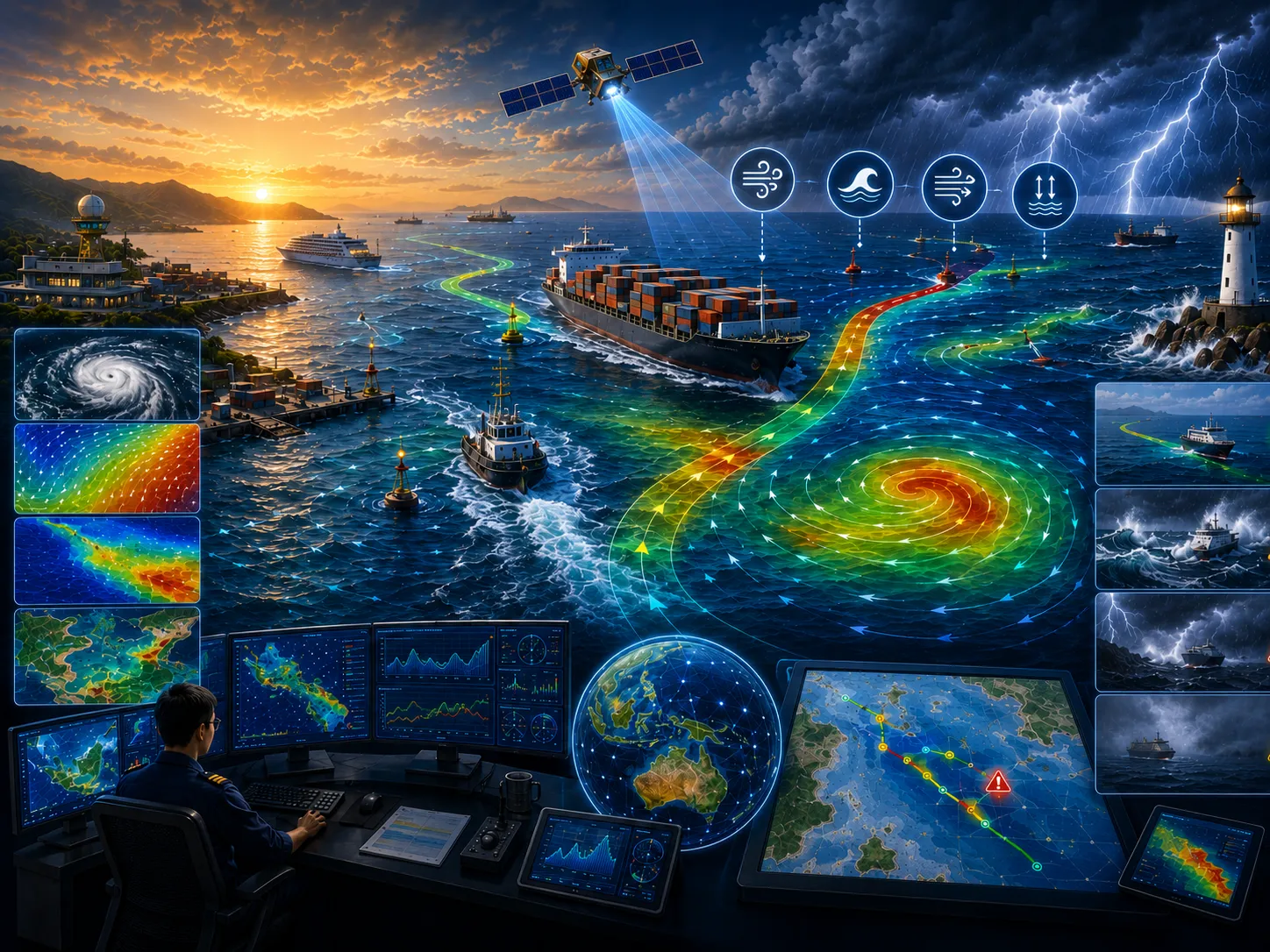
This aspect is assessed to clarify its implications for marine chemical parameter prediction.
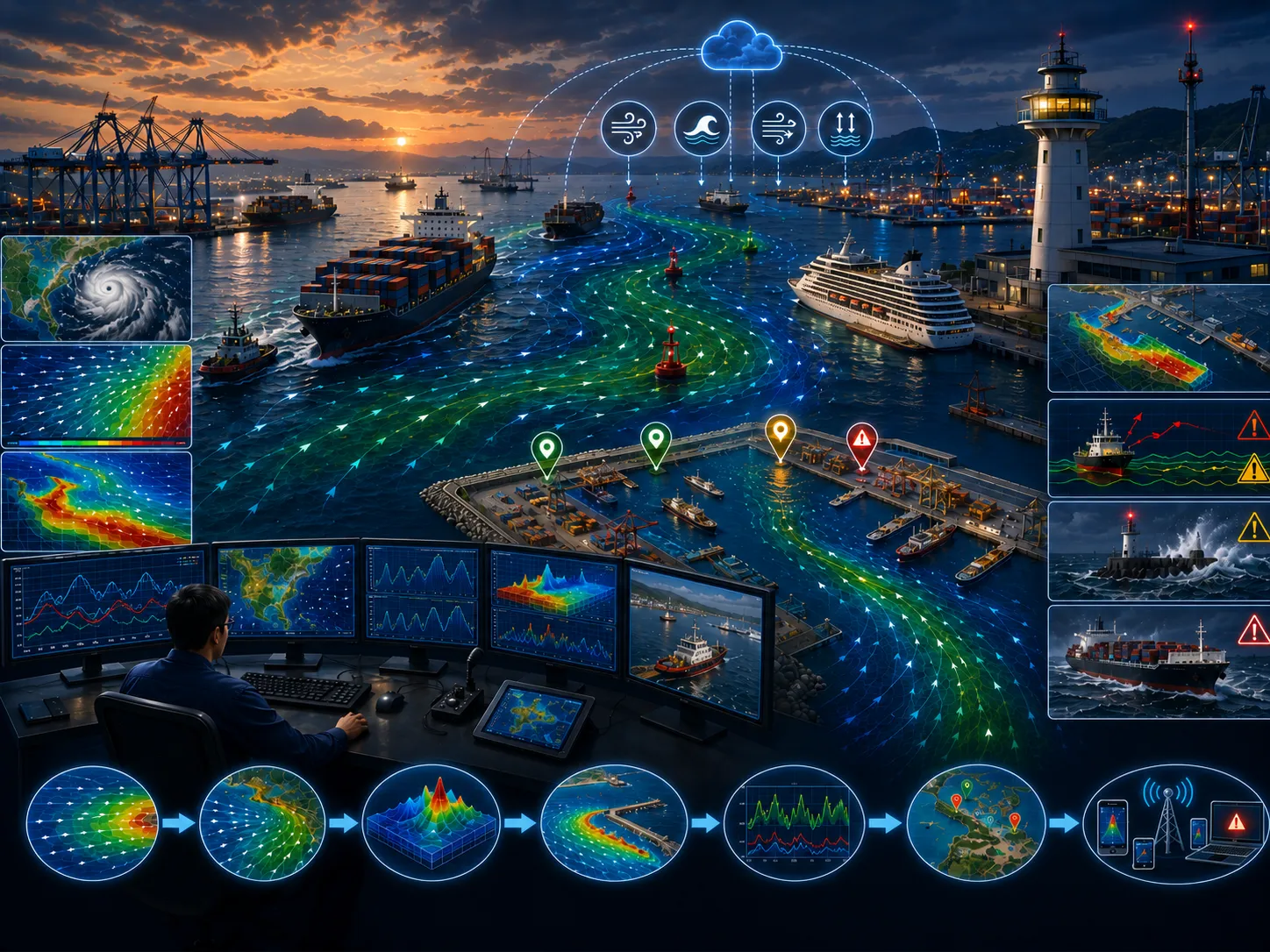
Field surveys, in-situ measurements, laboratory results, historical records, and operating information as required.
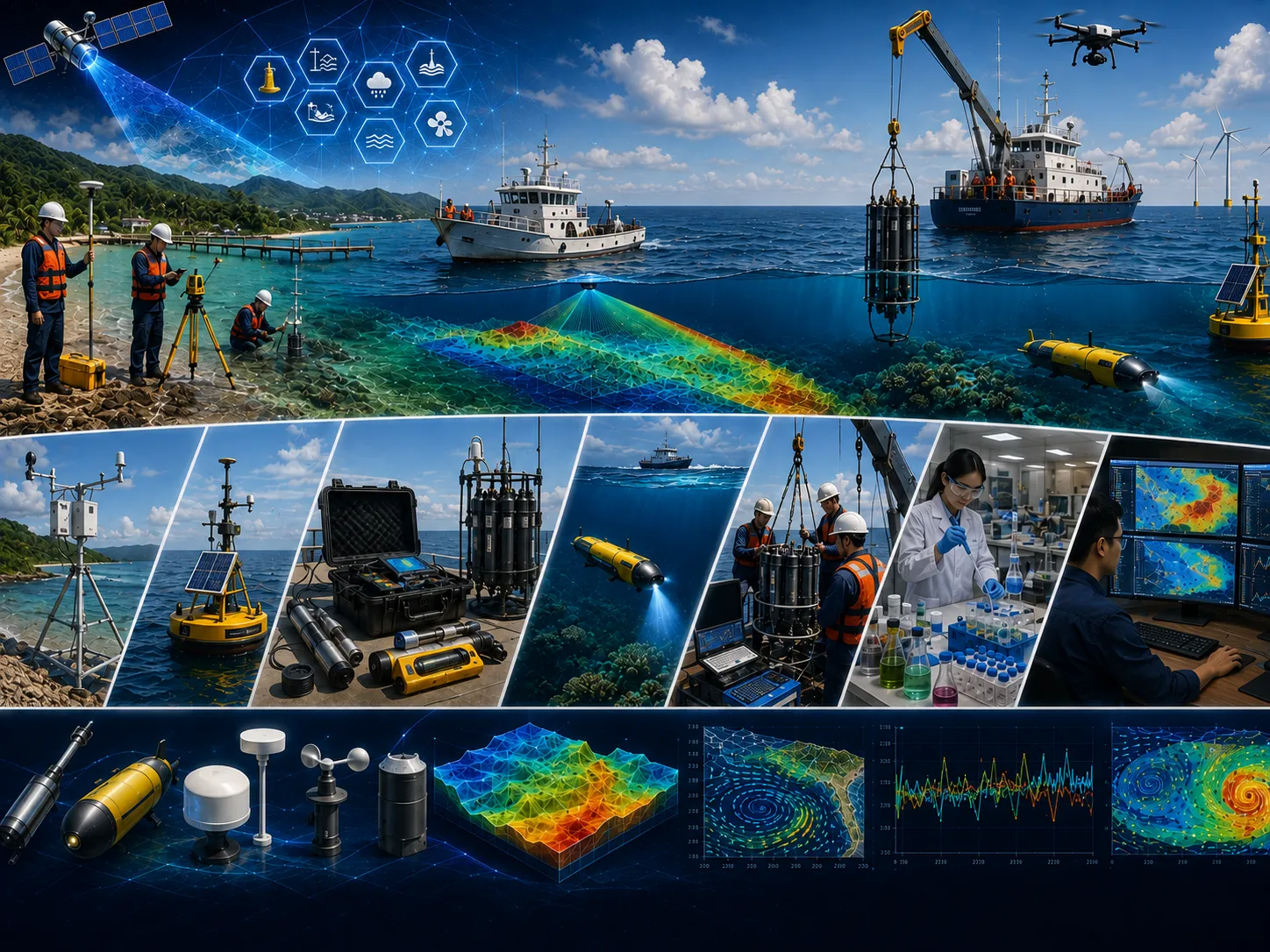
Satellite imagery, mapping, spatial analysis, temporal change, and integration of multiple data sources.

Model setup, calibration, validation, existing–planned–extreme scenarios, and sensitivity analysis.
Metadata, quality controls, assumptions, limitations, data versions, and processing lineage are documented.
Objectives, study area, available data, additional needs, initial risks, and recommended level of detail.
Quality-controlled data, thematic maps, time series, indicators, and comparable visualizations.
Comparison of existing conditions, alternatives, extremes, sensitivities, consequences, and mitigation options.
Methods, results, limitations, recommendations, action priorities, and stakeholder presentation materials.
Assumptions, data, variability, and limitations are stated so decision risk is not hidden.
Alternative locations, designs, operations, or policies are assessed using consistent indicators.
Data needs and analysis depth are proportionate to risk so resources are used efficiently.
Findings and recommendations are transparent for technical, management, regulatory, and partner review.
Objectives, users, location, project phase, problems, constraints, and the decision to support.
Methods, data, surveys, models, schedule, team, deliverables, review gates, and resource estimate.
Collection, inspection, harmonization, documentation, and data-sufficiency assessment.
Processing, modeling, validation, option comparison, sensitivity, and risk evaluation.
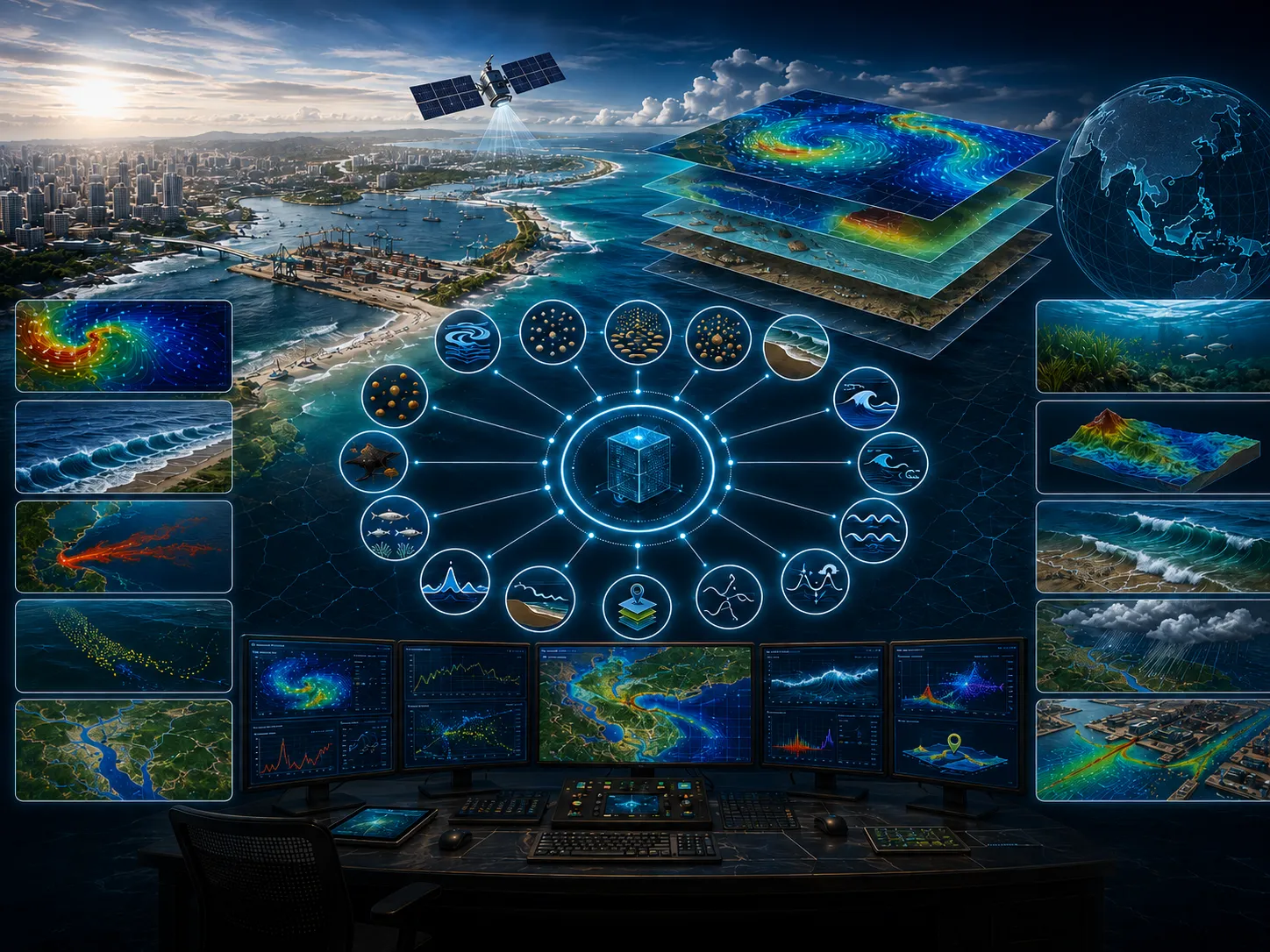
Maps, report, executive brief, presentation, supporting data, and follow-up plan.
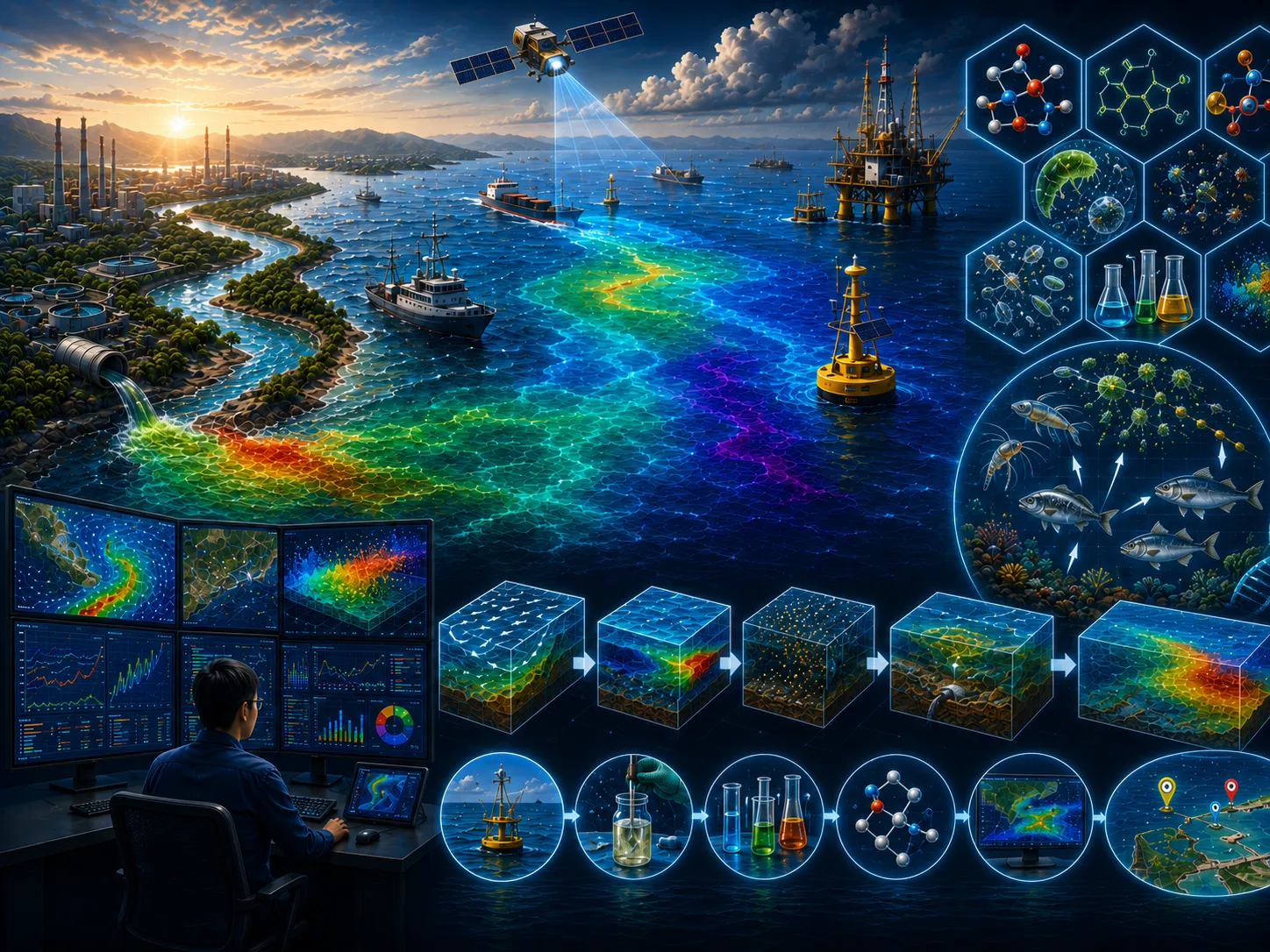
Marine chemical parameters play a critical role in a wide range of activities conducted in coastal waters, river estuaries, inland waterways, and offshore environments. These parameters include inorganic and organic compounds, conservative and non-conservative substances, as well as simple and complex chemical species that influence water quality and ecosystem health. Many marine industries require continuous monitoring and reliable forecasting of the spatial distribution, concentration, and behavior of these chemical parameters. Chemical parameter prediction may be performed as part of a continuous operational monitoring system or as scenario-based simulations to evaluate how a specific chemical released into the marine environment will disperse, transform, persist, and affect surrounding ecosystems and human activities.
For example, marine aquaculture and coastal tourism depend heavily on maintaining high water quality. Forecasting chemical water quality enables managers to determine whether a chemical entering a coastal area poses a potential environmental or public health risk. When hazardous substances are detected or predicted, numerical models can estimate how long they will remain in the aquatic environment under natural processes, evaluate their ecological impacts, and assess whether mitigation or remediation measures are required. Such information is essential for protecting marine ecosystems, minimizing economic losses, and supporting timely operational decisions.
Advanced numerical modeling provides an effective scientific framework for monitoring and predicting marine chemical parameters while reducing environmental risks and accelerating decision-making. Two operational approaches are commonly employed. The first is a continuous monitoring and forecasting system, which provides real-time information on the distribution and evolution of chemical parameters. The second is a scenario-based modeling system, developed for specific events or planning purposes, to predict the environmental consequences of accidental releases, operational discharges, or other potential contamination events before they occur.
Hydrodynamic Modeling is used to simulate ocean circulation and sea level, while Advection–Dispersion Modeling predicts the transport, distribution, concentration, and environmental fate of chemical substances. For contaminants associated with suspended sediments, Suspended Sediment Transport Modeling is applied to evaluate their movement and deposition. Oil Spill Modeling is used in areas affected by produced water discharges from oil and gas operations or where accidental oil spills may occur. Ecosystem Modeling is employed when chemical substances interact with marine food webs through biological uptake and ecological processes. Marine Geographic Information System (Marine GIS) integrates model outputs with environmental, operational, and spatial datasets to support comprehensive visualization, monitoring, analysis, and evidence-based decision-making.
Understanding surface ocean circulation is essential for effective marine and coastal management.
Learn more →Accurate sea level information and forecasting are essential for a wide range of activities in river estuaries, coastal zones, and offshore waters.
Learn more →Ocean waves are primarily generated by surface winds, although in certain regions they may also be influenced by variations in water temperature and salinity.
Learn more →The marine environment is highly dynamic, with continuous interactions among physical processes that vary over time and space.
Learn more →Marine ecosystems occasionally experience sudden population explosions (blooms) or rapid declines of specific organisms, disrupting ecological balance and human activities that depend on healthy aquatic…
Learn more →Maritime transportation is the backbone of Indonesia's national connectivity, given that the country is the world's largest archipelagic nation.
Learn more →The CORZ team will review the objective, scope, data availability, risk level, schedule, and required outputs to prepare a proportionate approach.
Share the location, objectives, key challenges, available data, and expected outputs. The CORZ team will help define a proportionate technical approach.