CONTEXTField conditions and systems being assessed
Enter at least two characters.
Every aquatic environment has unique characteristics that distinguish it from other water bodies.
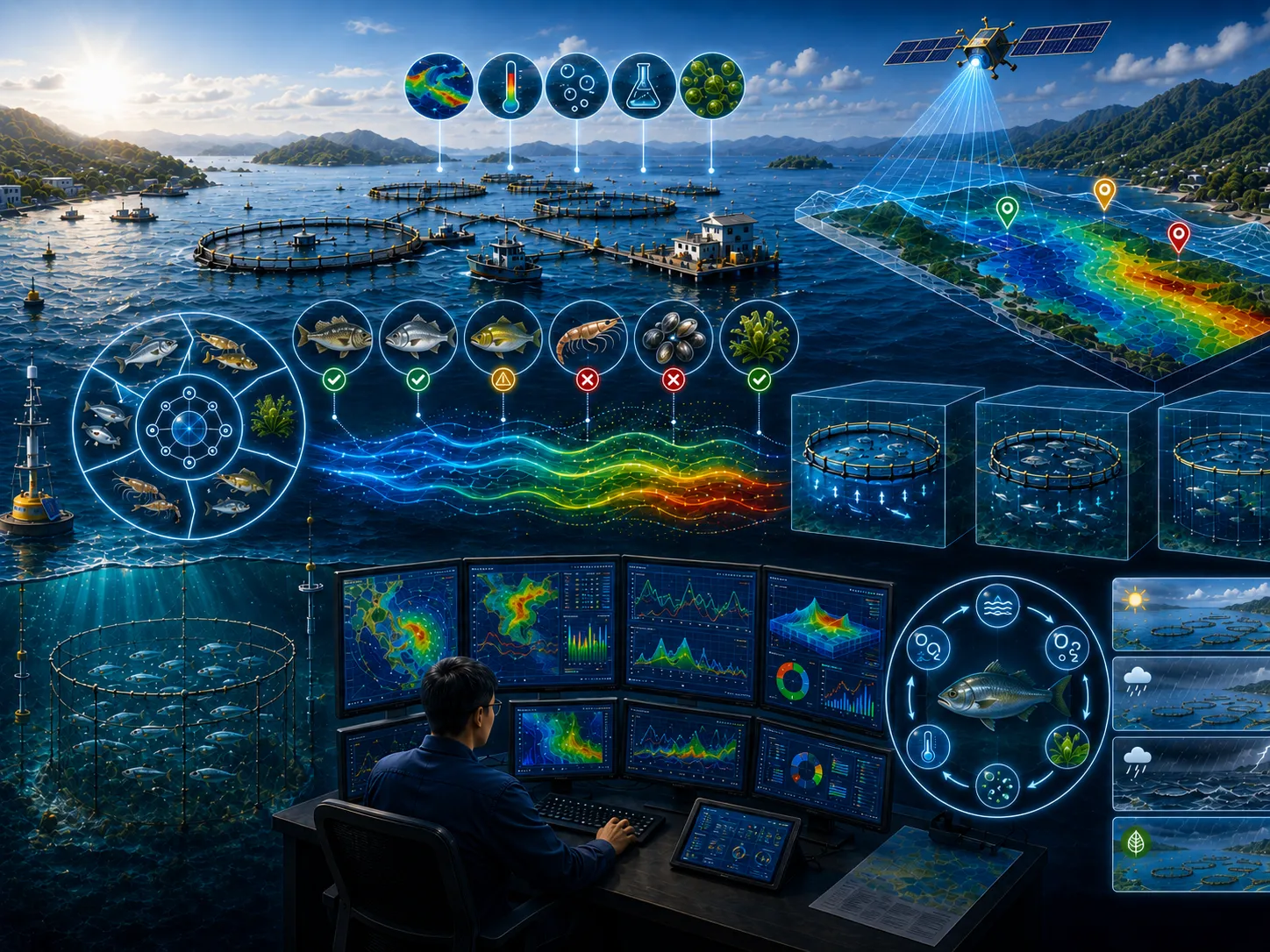
This page includes a one-page leaflet that can be opened in a full-image popup. It helps present the core CORZ service clearly and convincingly during project discussions, executive briefings, and decision-support meetings.
With a more proportional balance between visuals and text, the page feels brighter and more energetic while still keeping the important technical context visible and easy to understand.
Use this leaflet as a concise visual entry point before moving into the more detailed technical explanation.

Clarity before a decision is made
Every aquatic environment has unique characteristics that distinguish it from other water bodies.
Aquaculture investors often already own a suitable coastal area and intend to establish a farming operation but face an important question: Which species is best suited to the environmental conditions of the site, and how can its production be optimized? In other cases, several candidate species may have similar economic value, making it difficult to determine which one offers the greatest long-term profitability and environmental compatibility.
Define the approach, priorities, and actions for identification and optimization of marine aquaculture species using traceable evidence.
Environmental impact, design failure, operational disruption, uncontrolled cost, and weak assumptions.
Comparable options, quantified risk, and implementable recommendations.
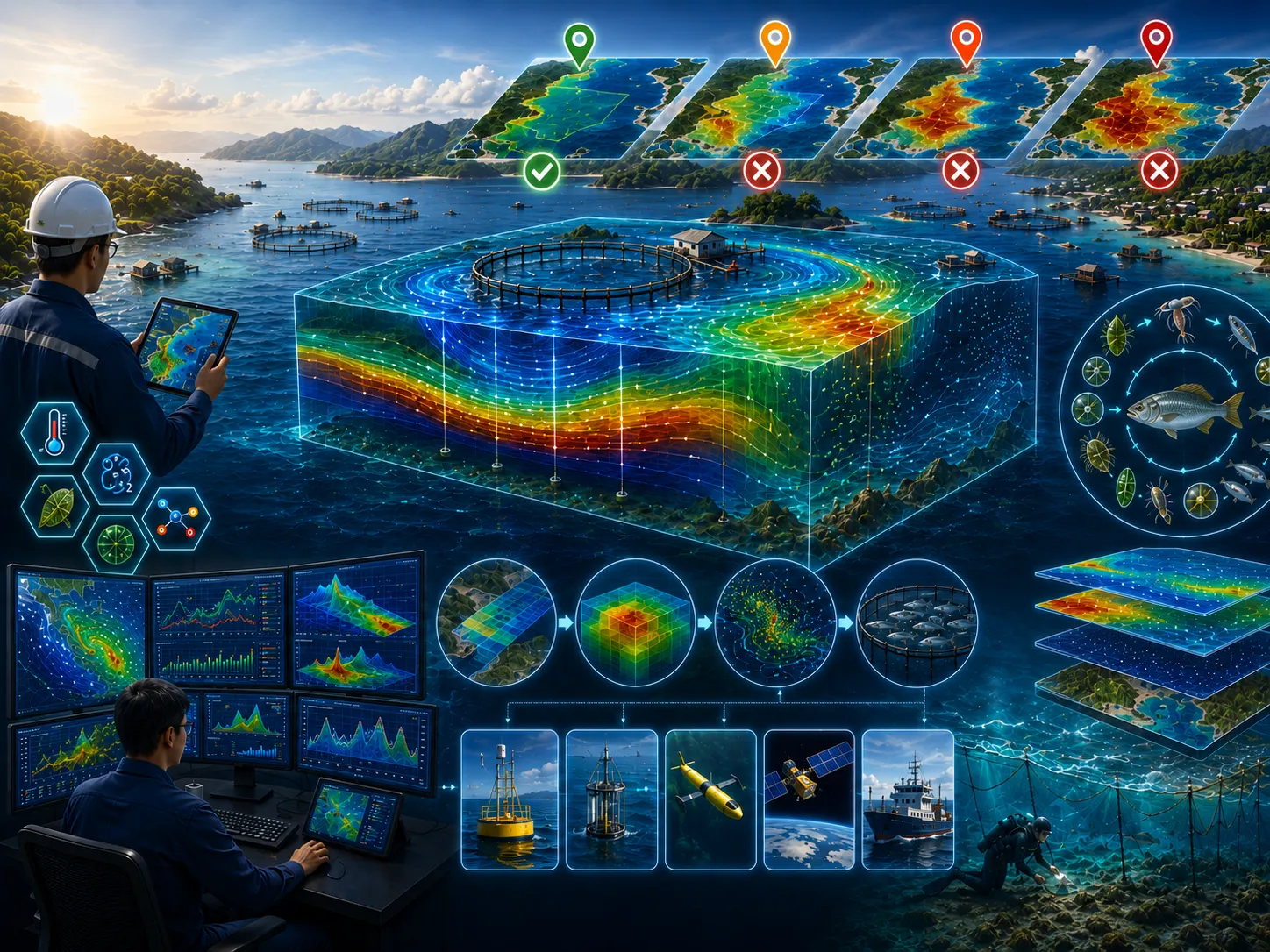
This aspect is assessed to clarify its implications for identification and optimization of marine aquaculture species.
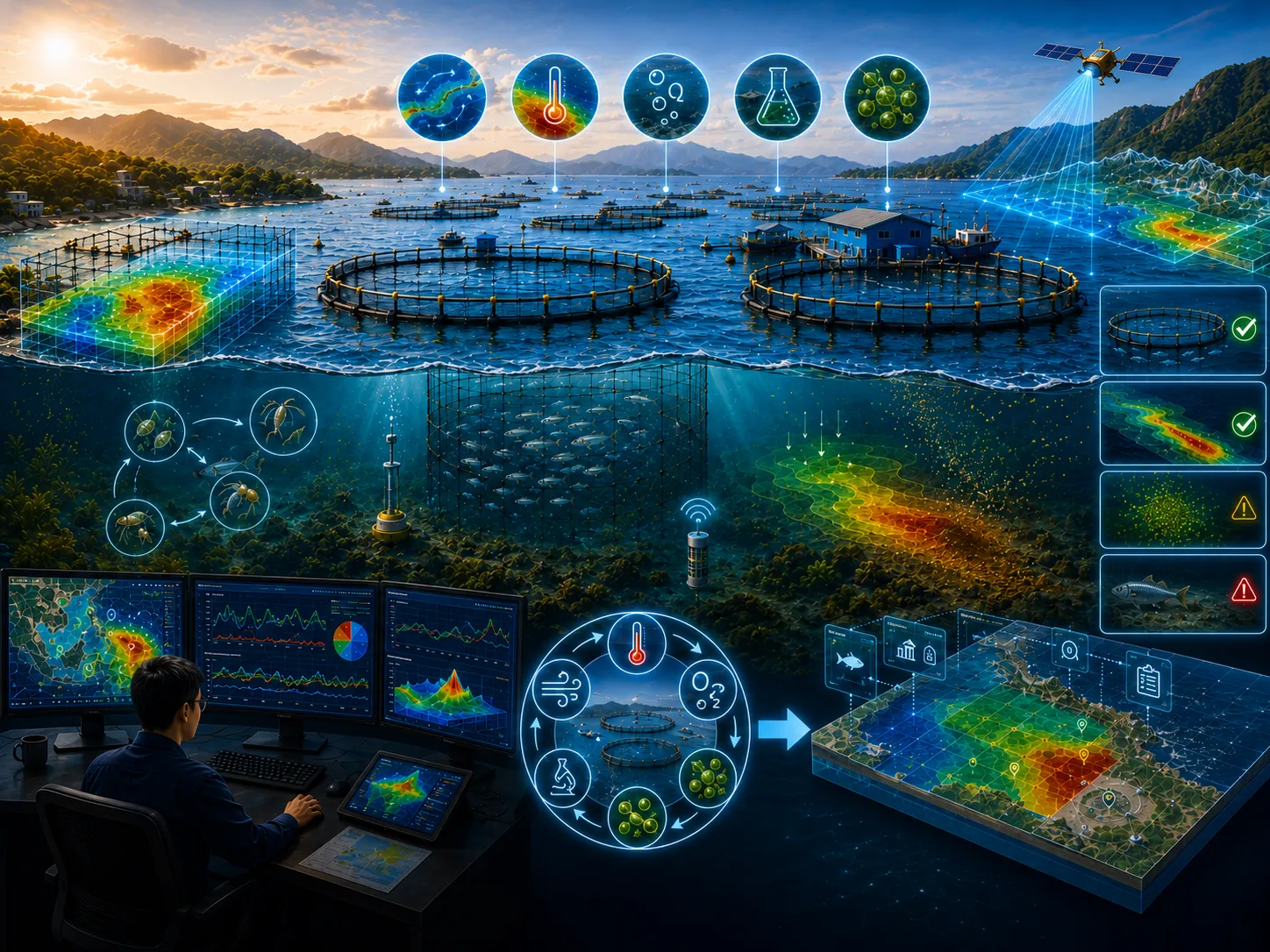
This aspect is assessed to clarify its implications for identification and optimization of marine aquaculture species.
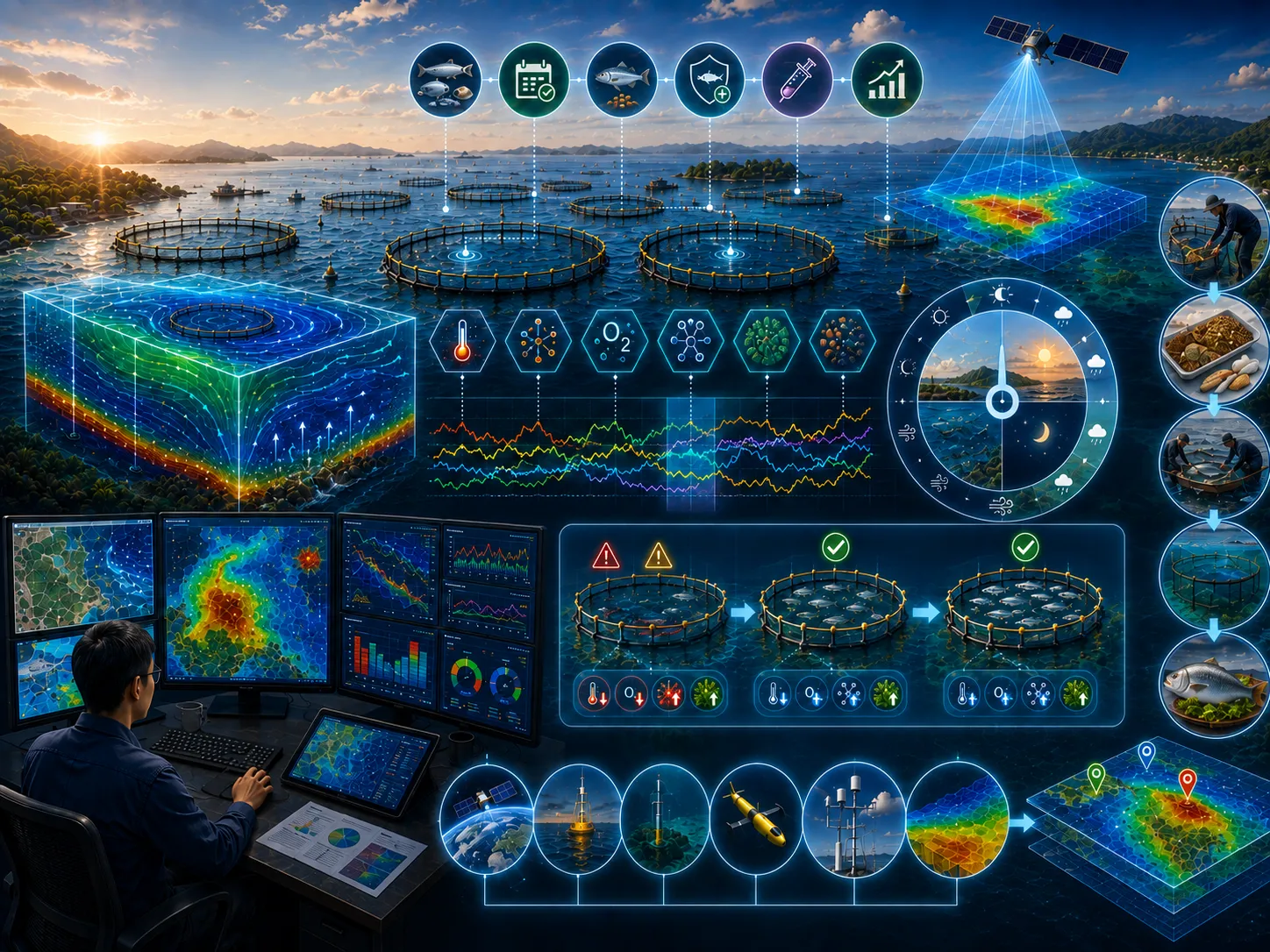
This aspect is assessed to clarify its implications for identification and optimization of marine aquaculture species.
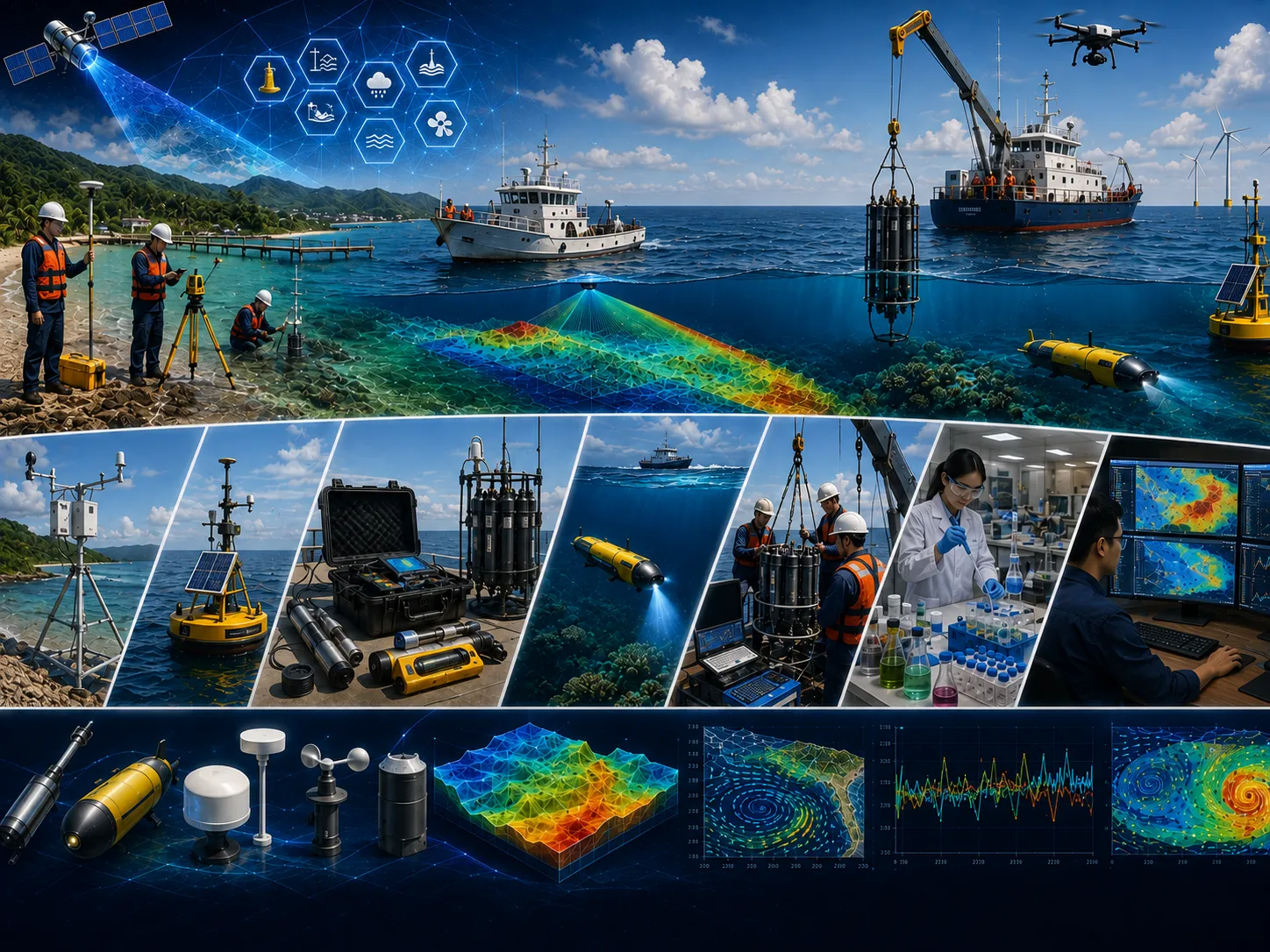
This aspect is assessed to clarify its implications for identification and optimization of marine aquaculture species.

This aspect is assessed to clarify its implications for identification and optimization of marine aquaculture species.
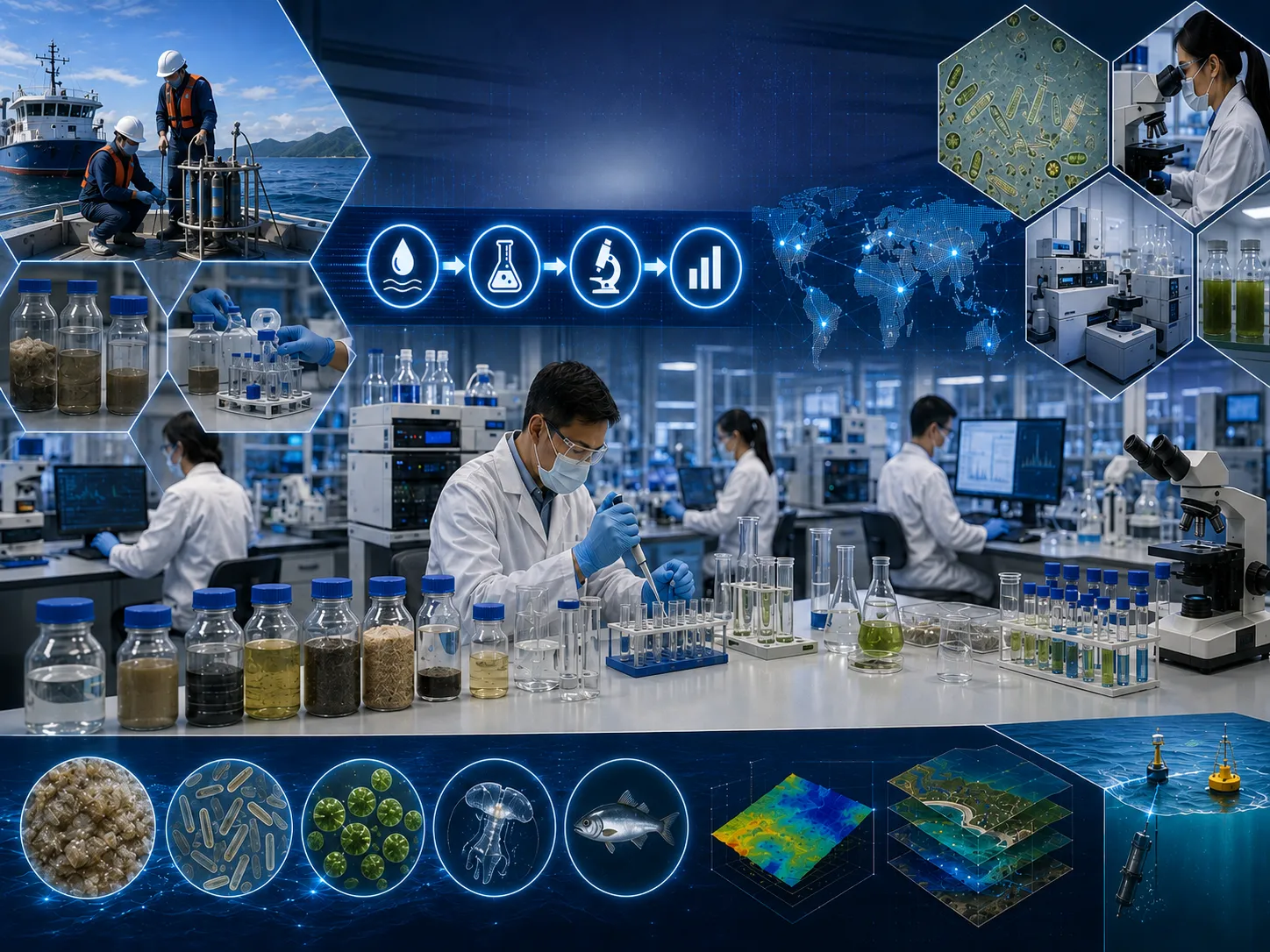
This aspect is assessed to clarify its implications for identification and optimization of marine aquaculture species.
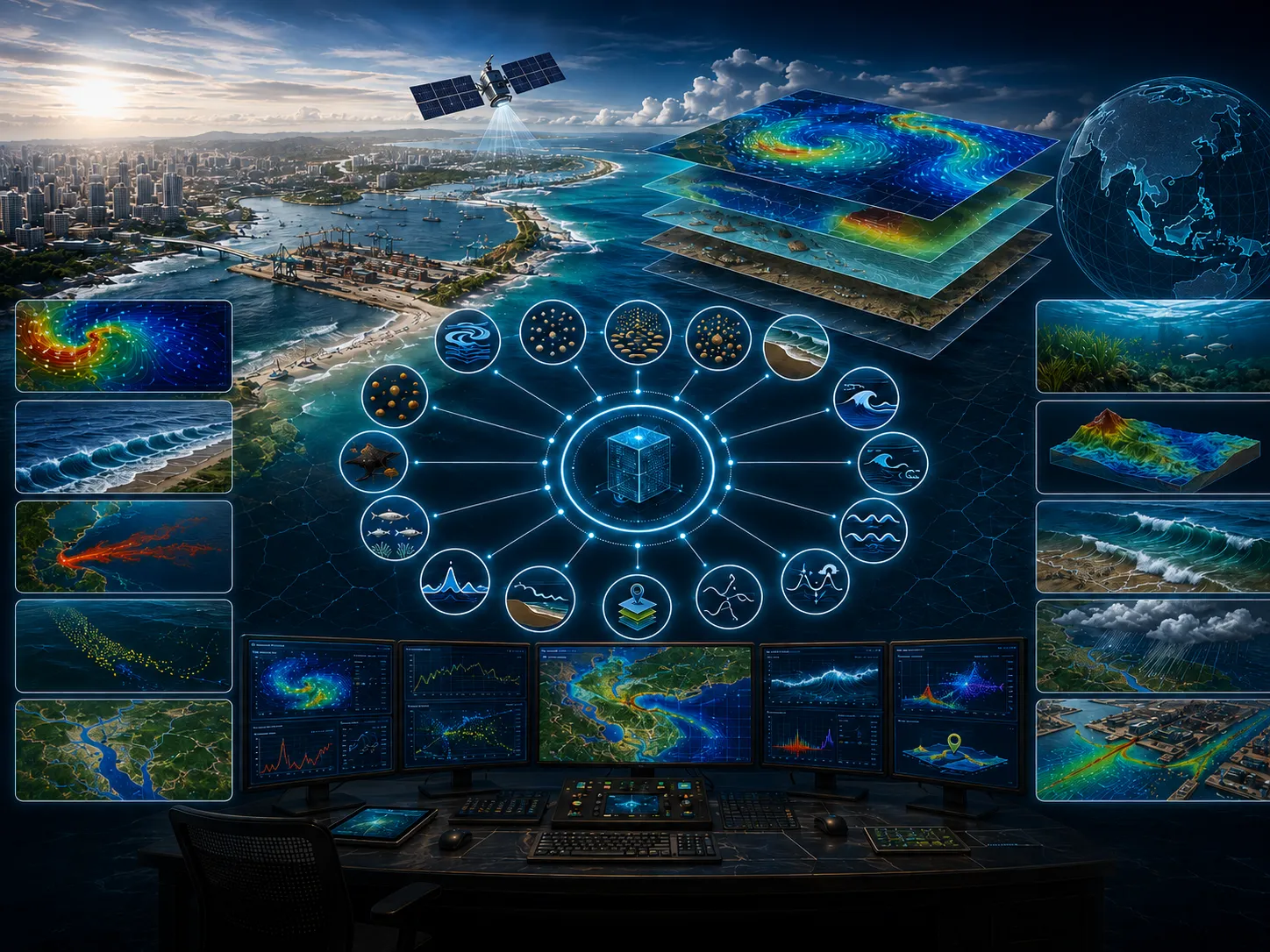
Field surveys, in-situ measurements, laboratory results, historical records, and operating information as required.

Satellite imagery, mapping, spatial analysis, temporal change, and integration of multiple data sources.
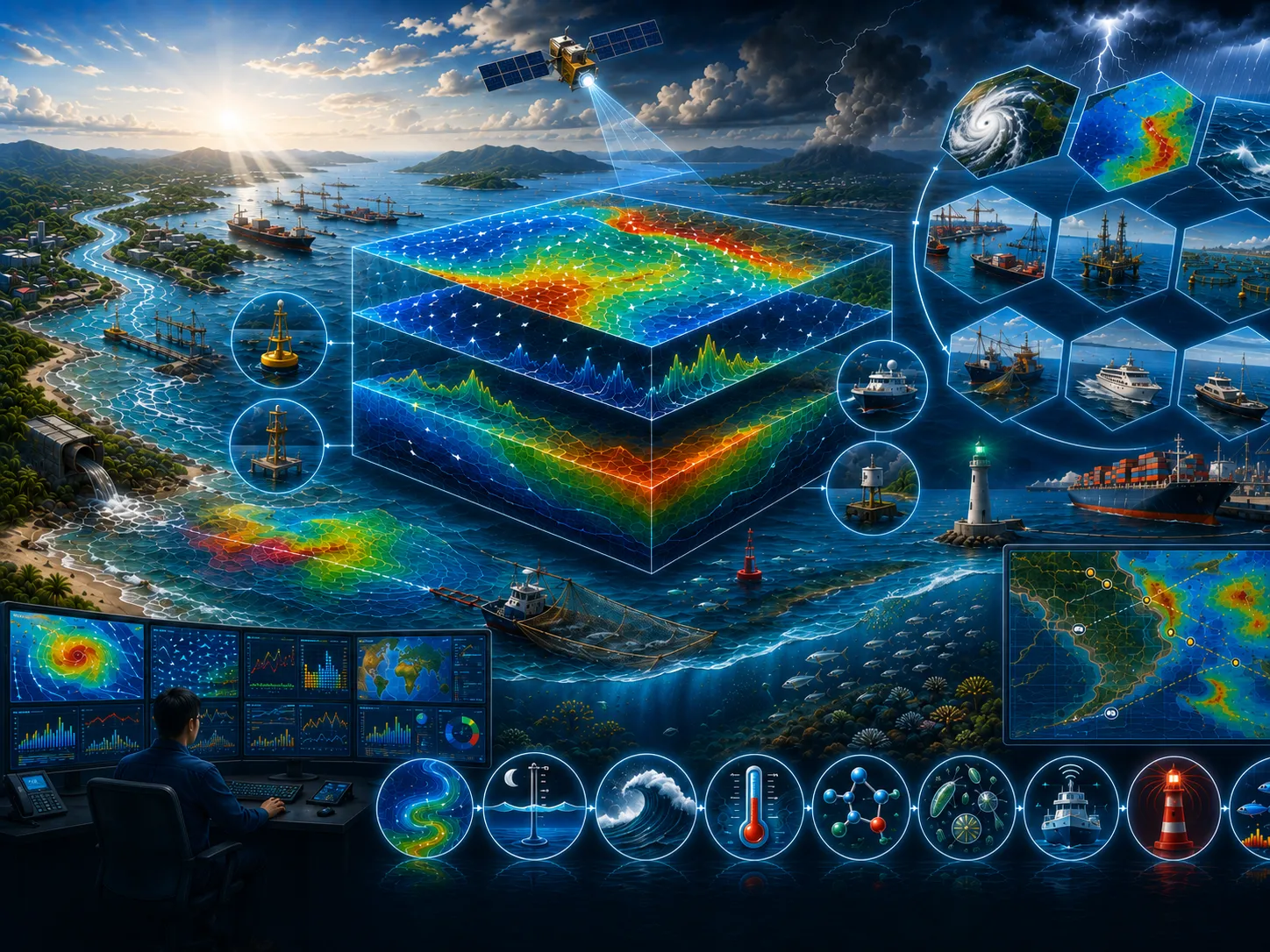
Model setup, calibration, validation, existing–planned–extreme scenarios, and sensitivity analysis.
Metadata, quality controls, assumptions, limitations, data versions, and processing lineage are documented.
Objectives, study area, available data, additional needs, initial risks, and recommended level of detail.
Quality-controlled data, thematic maps, time series, indicators, and comparable visualizations.
Comparison of existing conditions, alternatives, extremes, sensitivities, consequences, and mitigation options.
Methods, results, limitations, recommendations, action priorities, and stakeholder presentation materials.
Assumptions, data, variability, and limitations are stated so decision risk is not hidden.
Alternative locations, designs, operations, or policies are assessed using consistent indicators.
Data needs and analysis depth are proportionate to risk so resources are used efficiently.
Findings and recommendations are transparent for technical, management, regulatory, and partner review.
Objectives, users, location, project phase, problems, constraints, and the decision to support.
Methods, data, surveys, models, schedule, team, deliverables, review gates, and resource estimate.
Collection, inspection, harmonization, documentation, and data-sufficiency assessment.
Processing, modeling, validation, option comparison, sensitivity, and risk evaluation.
Maps, report, executive brief, presentation, supporting data, and follow-up plan.
Every aquatic environment has unique characteristics that distinguish it from other water bodies. These characteristics are determined by variations in physical, chemical, and biological conditions, which are influenced by local climate variability. As a result, each ecosystem supports different biological communities and habitat characteristics. Even when the same species is found in different locations, its growth performance, health, and productivity may vary because environmental conditions differ. The same principle applies to the development of marine aquaculture operations.
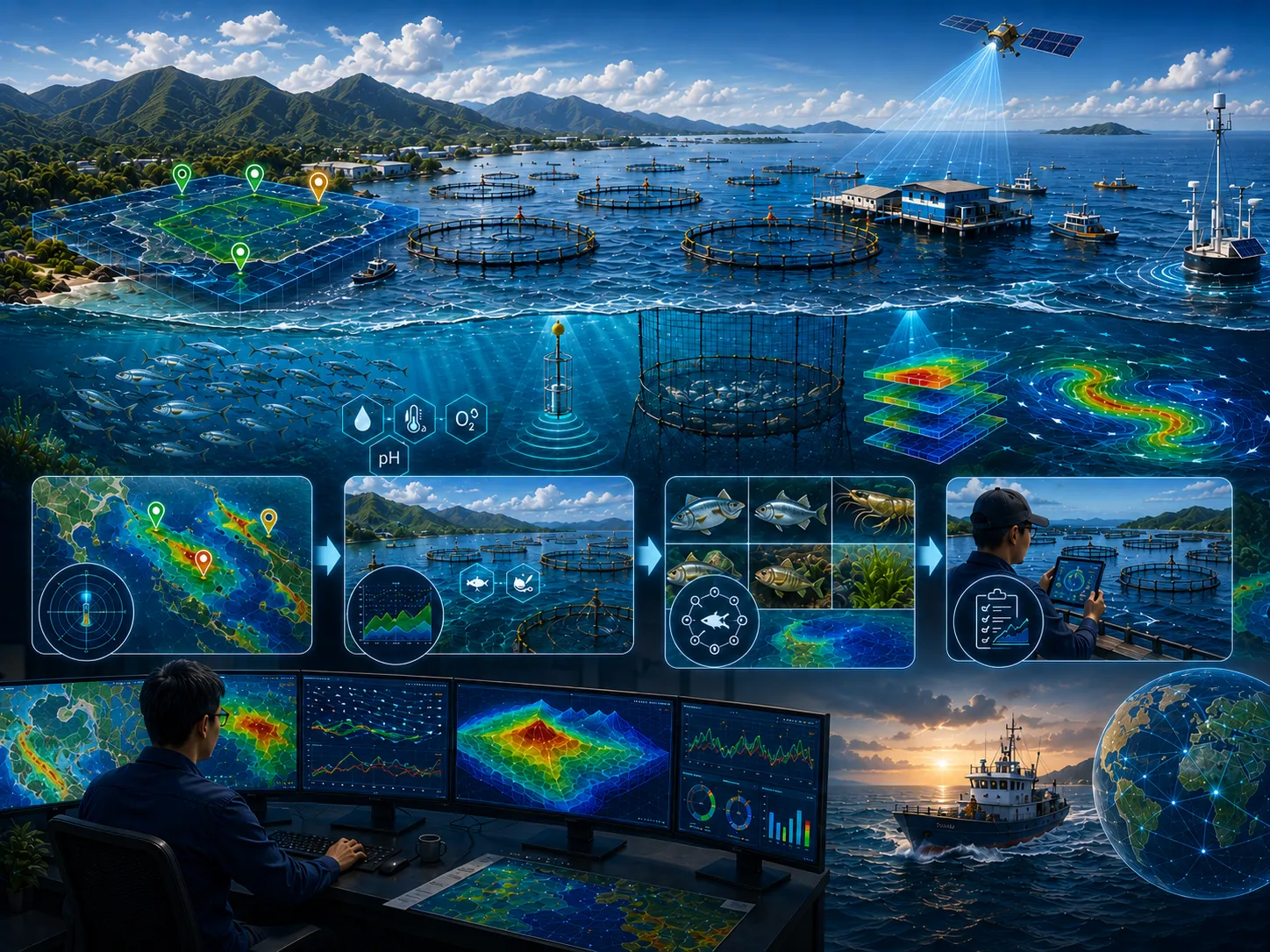
Aquaculture investors often already own a suitable coastal area and intend to establish a farming operation but face an important question: Which species is best suited to the environmental conditions of the site, and how can its production be optimized? In other cases, several candidate species may have similar economic value, making it difficult to determine which one offers the greatest long-term profitability and environmental compatibility. These challenges can be addressed through a comprehensive evaluation that combines the physiological requirements of candidate species with the environmental characteristics of the proposed farming area.
Advanced numerical modeling provides an effective scientific tool for accelerating this decision-making process. Modeling can simulate environmental conditions ranging from normal seasonal variability to extreme events, allowing managers to evaluate whether selected species can survive and grow under all anticipated conditions. Once the most suitable species has been identified, production can be optimized by adjusting cage dimensions, stocking density, cage layout, water depth, net specifications, farm configuration, and other operational parameters to minimize environmental limitations and maximize production efficiency.
Modeling scenarios are developed using the natural physical, chemical, and biological characteristics of the aquatic environment, together with normal monthly, seasonal, and annual variability, as well as potential extreme environmental conditions. These simulations are then integrated with the optimal environmental tolerance ranges of candidate aquaculture species. The results are subsequently used to design an optimized aquaculture system that maximizes biological performance while maintaining environmental sustainability.
Naturally, each fish species occupies a habitat that best meets its biological and ecological requirements.
Learn more →In coastal spatial planning, designated marine areas are often allocated for aquaculture development, or large-scale aquaculture projects are proposed by the fisheries industry.
Learn more →Environmental conditions at marine aquaculture sites vary continuously over time, directly influencing the growth, health, and productivity of cultured species.
Learn more →The CORZ team will review the objective, scope, data availability, risk level, schedule, and required outputs to prepare a proportionate approach.
Share the location, objectives, key challenges, available data, and expected outputs. The CORZ team will help define a proportionate technical approach.