

CONTEXTField conditions and systems being assessed
Enter at least two characters.
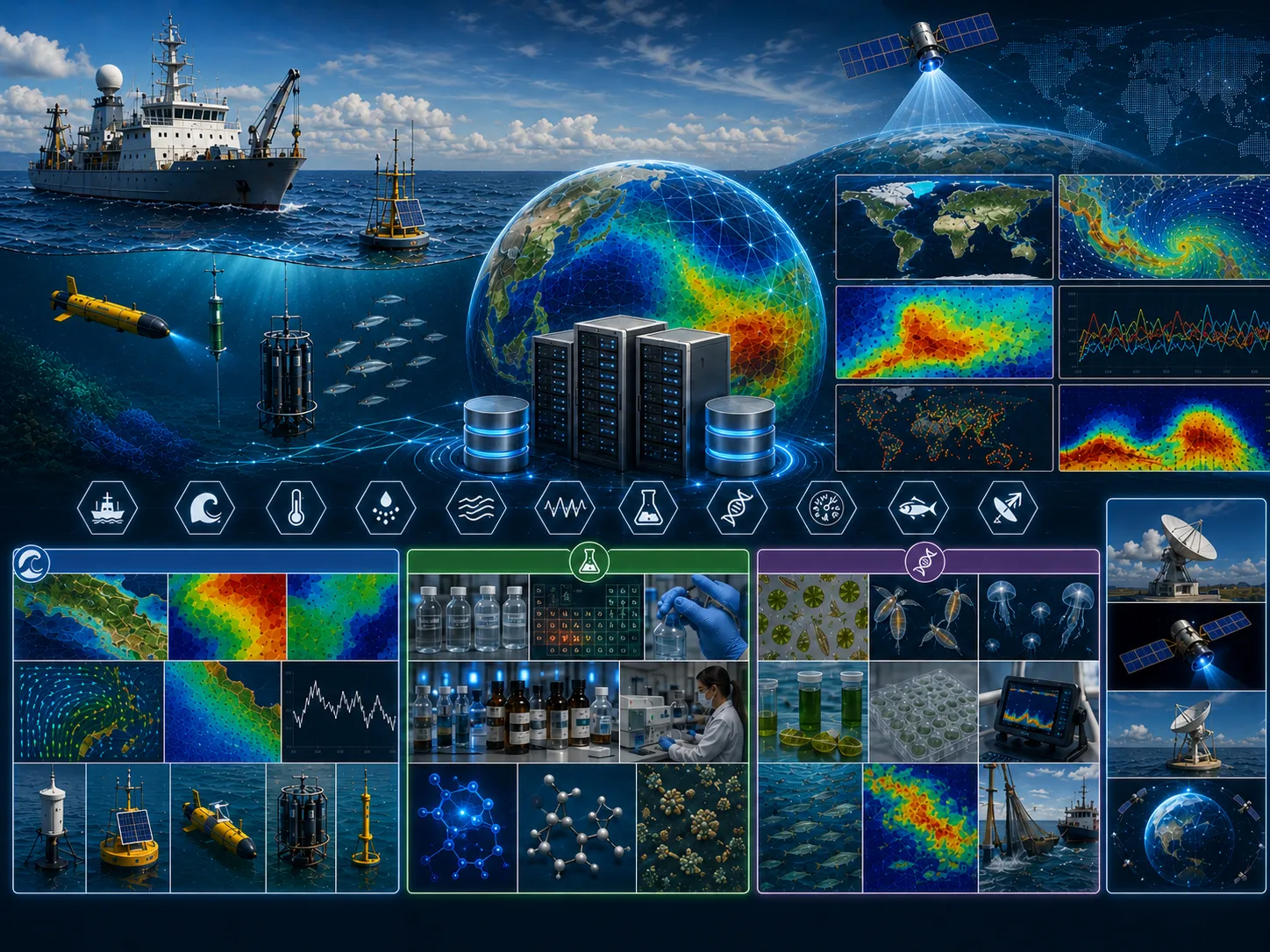
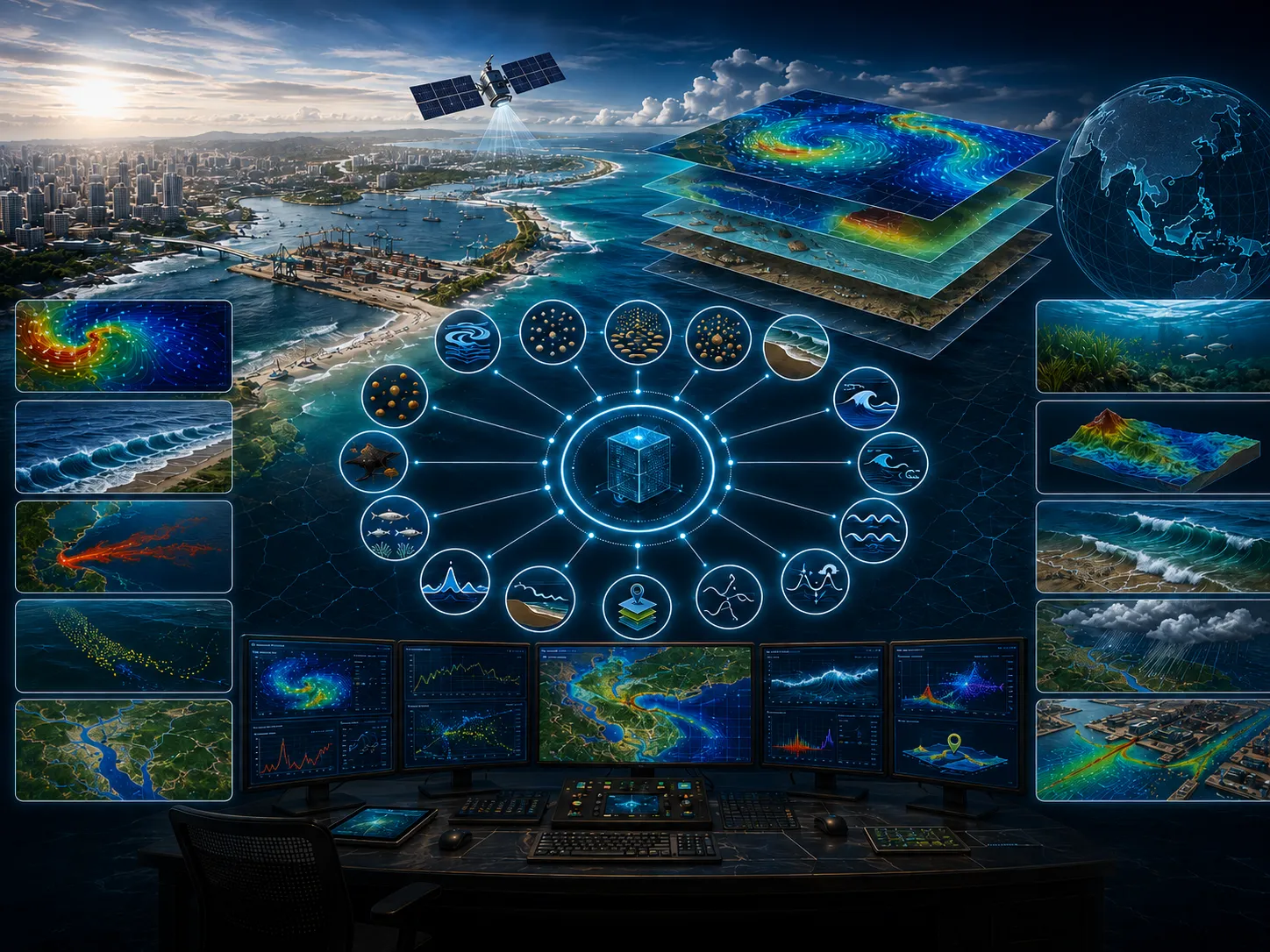
Marine databases are needed in modeling. These databases may consist of in situ datasets and reanalysis data produced using various methods, such as data assimilation, optimal interpolation, grid analysis,…
This page includes a one-page leaflet that can be opened in a full-image popup. It helps present the core CORZ service clearly and convincingly during project discussions, executive briefings, and decision-support meetings.
With a more proportional balance between visuals and text, the page feels brighter and more energetic while still keeping the important technical context visible and easy to understand.
Use this leaflet as a concise visual entry point before moving into the more detailed technical explanation.

Clarity before a decision is made
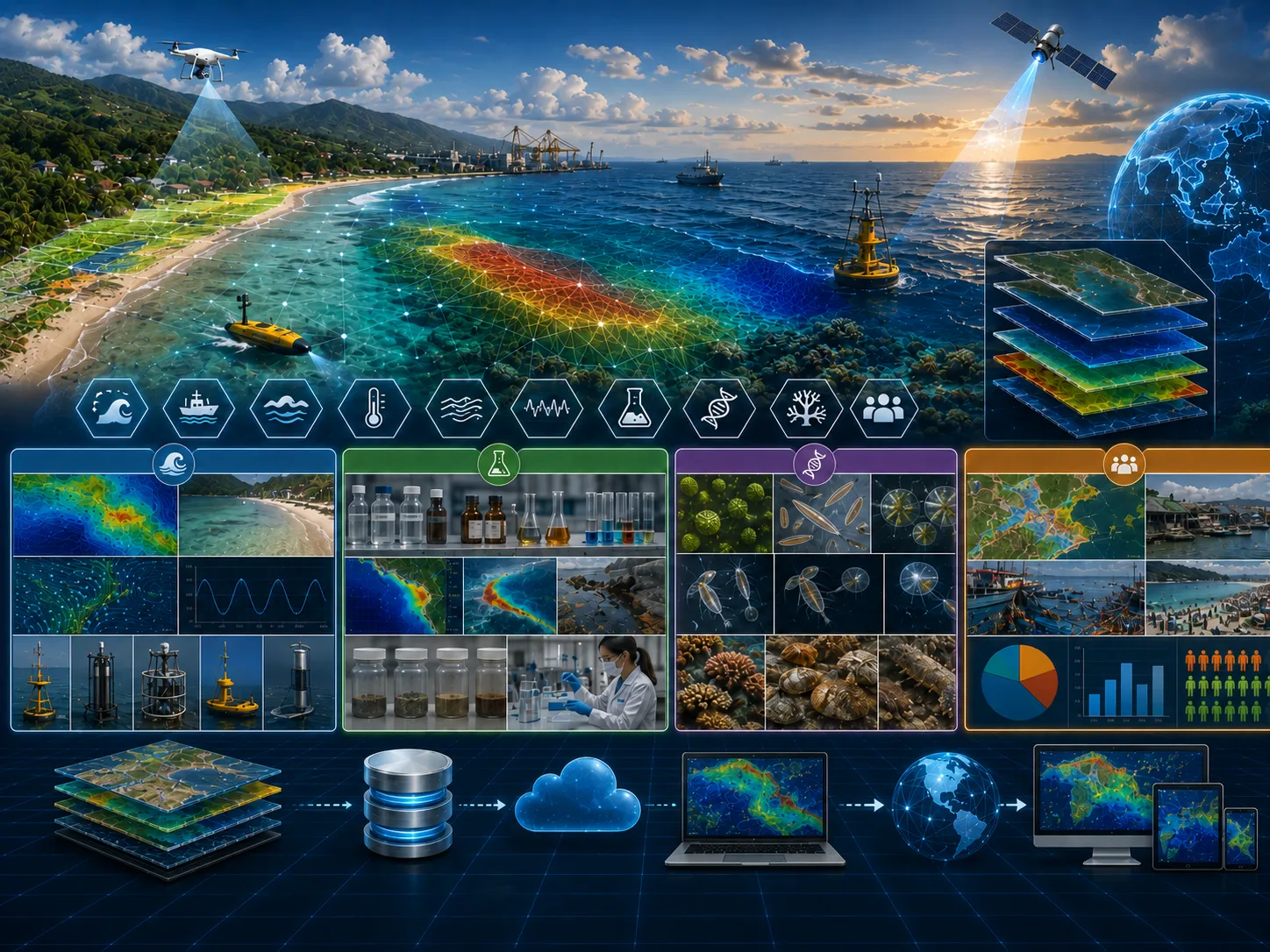
Marine databases are needed in modeling. These databases may consist of in situ datasets and reanalysis data produced using various methods, such as data assimilation, optimal interpolation, grid analysis,…
Marine databases are needed in modeling as model input data, model boundary conditions, and model parameterization data. The verification and validation process of model outputs also strongly requires these marine databases.
Define the approach, priorities, and actions for marine using traceable evidence.
Mismatched resolution, period, variable definition, quality, and use licensing.
Documented, consistent, traceable datasets fit for purpose.
This aspect is assessed to clarify its implications for marine.
This aspect is assessed to clarify its implications for marine.

This aspect is assessed to clarify its implications for marine.

This aspect is assessed to clarify its implications for marine.
This aspect is assessed to clarify its implications for marine.

This aspect is assessed to clarify its implications for marine.
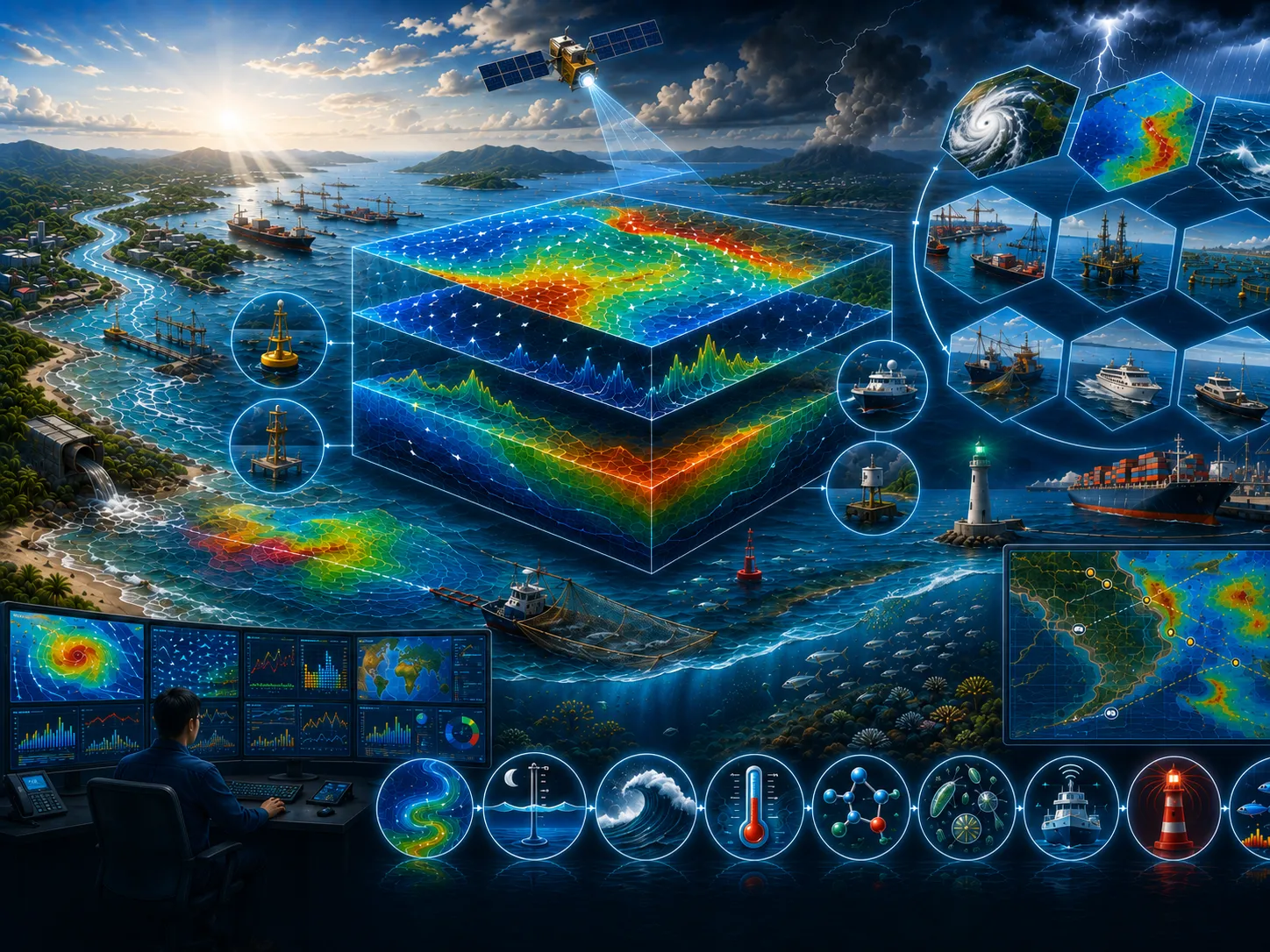
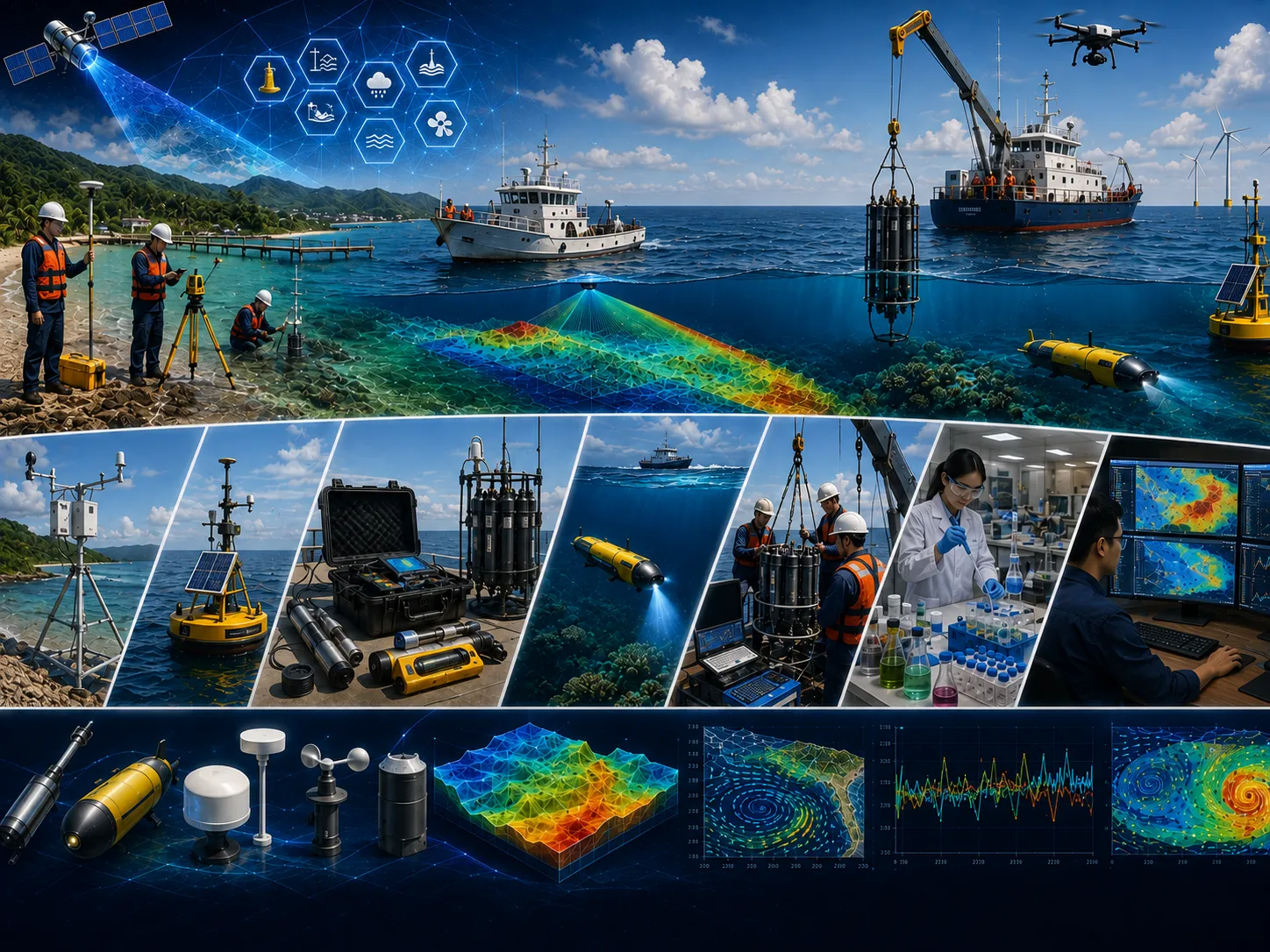
Field surveys, in-situ measurements, laboratory results, historical records, and operating information as required.
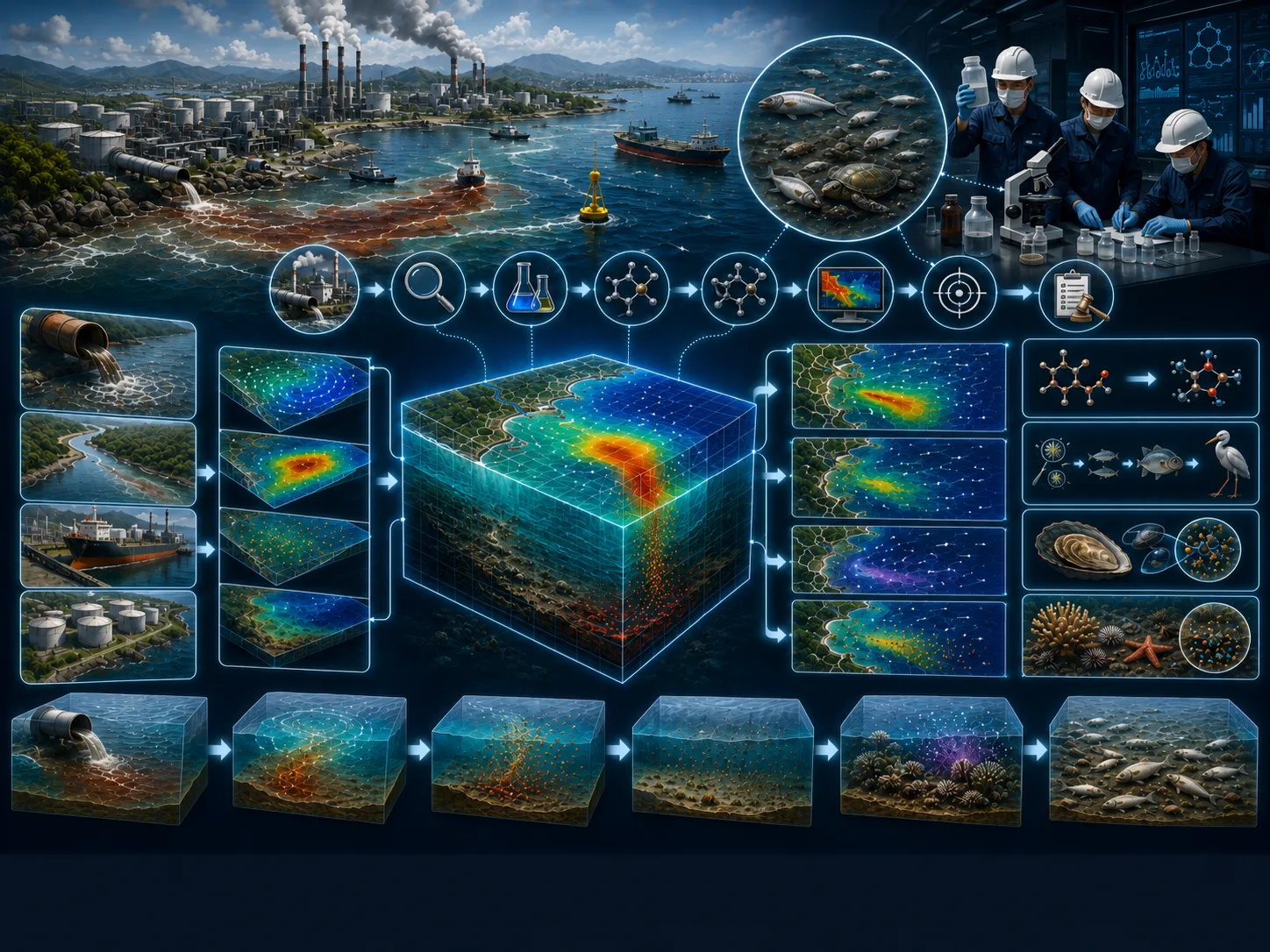
Satellite imagery, mapping, spatial analysis, temporal change, and integration of multiple data sources.
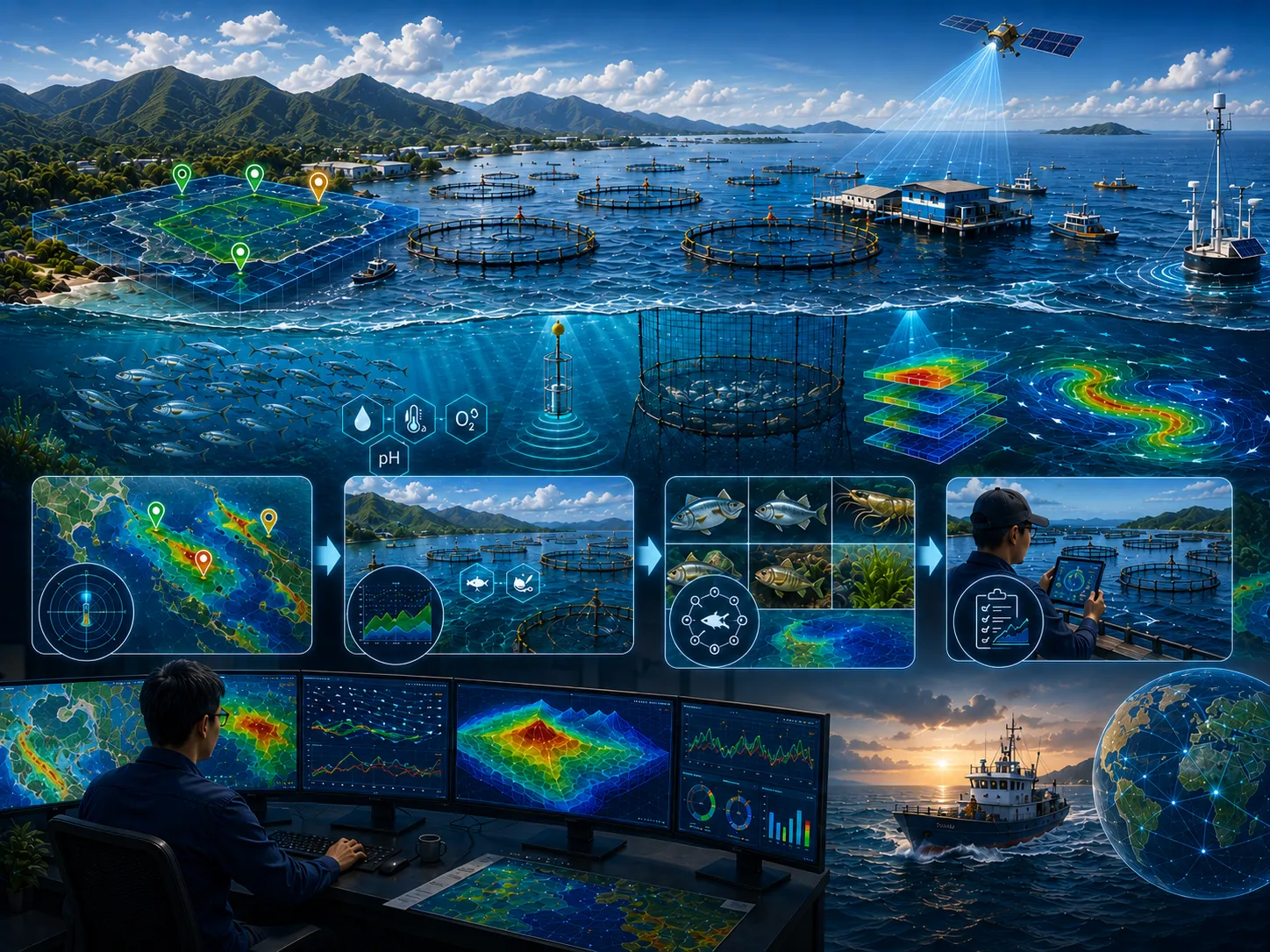
Model setup, calibration, validation, existing–planned–extreme scenarios, and sensitivity analysis.
Metadata, quality controls, assumptions, limitations, data versions, and processing lineage are documented.
Objectives, study area, available data, additional needs, initial risks, and recommended level of detail.
Quality-controlled data, thematic maps, time series, indicators, and comparable visualizations.
Comparison of existing conditions, alternatives, extremes, sensitivities, consequences, and mitigation options.
Methods, results, limitations, recommendations, action priorities, and stakeholder presentation materials.
Assumptions, data, variability, and limitations are stated so decision risk is not hidden.
Alternative locations, designs, operations, or policies are assessed using consistent indicators.
Data needs and analysis depth are proportionate to risk so resources are used efficiently.
Findings and recommendations are transparent for technical, management, regulatory, and partner review.
Objectives, users, location, project phase, problems, constraints, and the decision to support.
Methods, data, surveys, models, schedule, team, deliverables, review gates, and resource estimate.
Collection, inspection, harmonization, documentation, and data-sufficiency assessment.
Processing, modeling, validation, option comparison, sensitivity, and risk evaluation.
Maps, report, executive brief, presentation, supporting data, and follow-up plan.
Marine databases are needed in modeling. These databases may consist of in situ datasets and reanalysis data produced using various methods, such as data assimilation, optimal interpolation, grid analysis, and other related approaches. In addition, some databases are model outputs generated from prediction models. In general, these types of databases are widely provided by international research institutions.
Marine databases are needed in modeling as model input data, model boundary conditions, and model parameterization data. The verification and validation process of model outputs also strongly requires these marine databases. Various parameters are available in these databases. In general, they are grouped into three main categories: physical, chemical, and biological parameters. These parameters are described in detail as follows:
Coastal databases are needed in modeling as model input data. These data include shoreline data, coastal bathymetry, and seabed characteristics. Coastal databases are also useful as additional information…
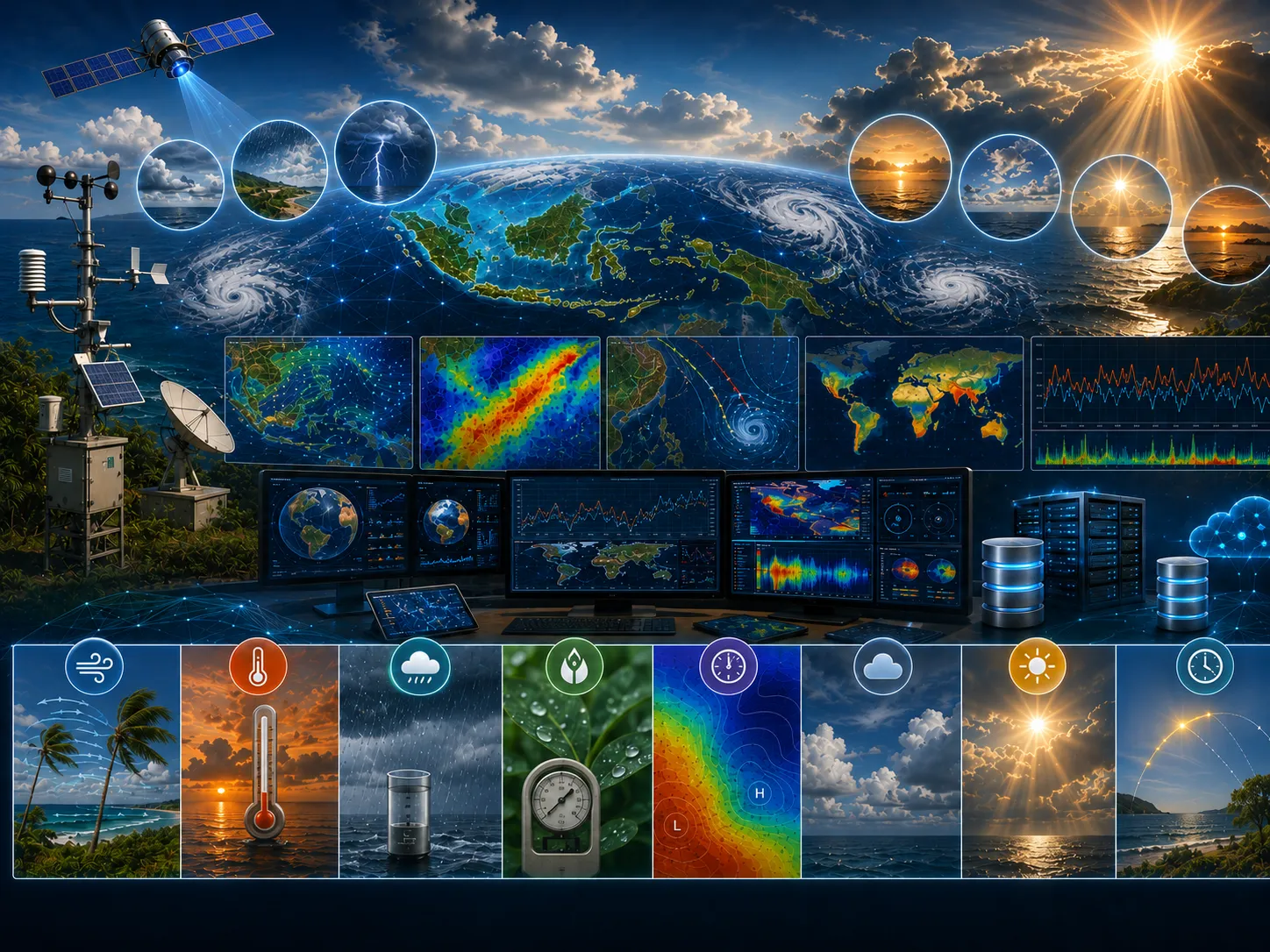
Learn more →Climate databases are highly needed in modeling as model input data. These databases are useful as one of the driving forces for currents and for representing heat energy exchange between the atmosphere and…
Learn more →The CORZ team will review the objective, scope, data availability, risk level, schedule, and required outputs to prepare a proportionate approach.
Share the location, objectives, key challenges, available data, and expected outputs. The CORZ team will help define a proportionate technical approach.