


CONTEXTField conditions and systems being assessed
Enter at least two characters.
Information exchange on technical issues in model development using various programs, software, methods, numerical solutions, and other related approaches.


Clarity before a decision is made
Information exchange on technical issues in model development using various programs, software, methods, numerical solutions, and other related approaches.
Define the approach, priorities, and actions for modeling using traceable evidence.
Context-free information, unverified claims, and unproductive discussion.
Focused, relevant knowledge exchange that helps resolve problems.

This aspect is assessed to clarify its implications for modeling.
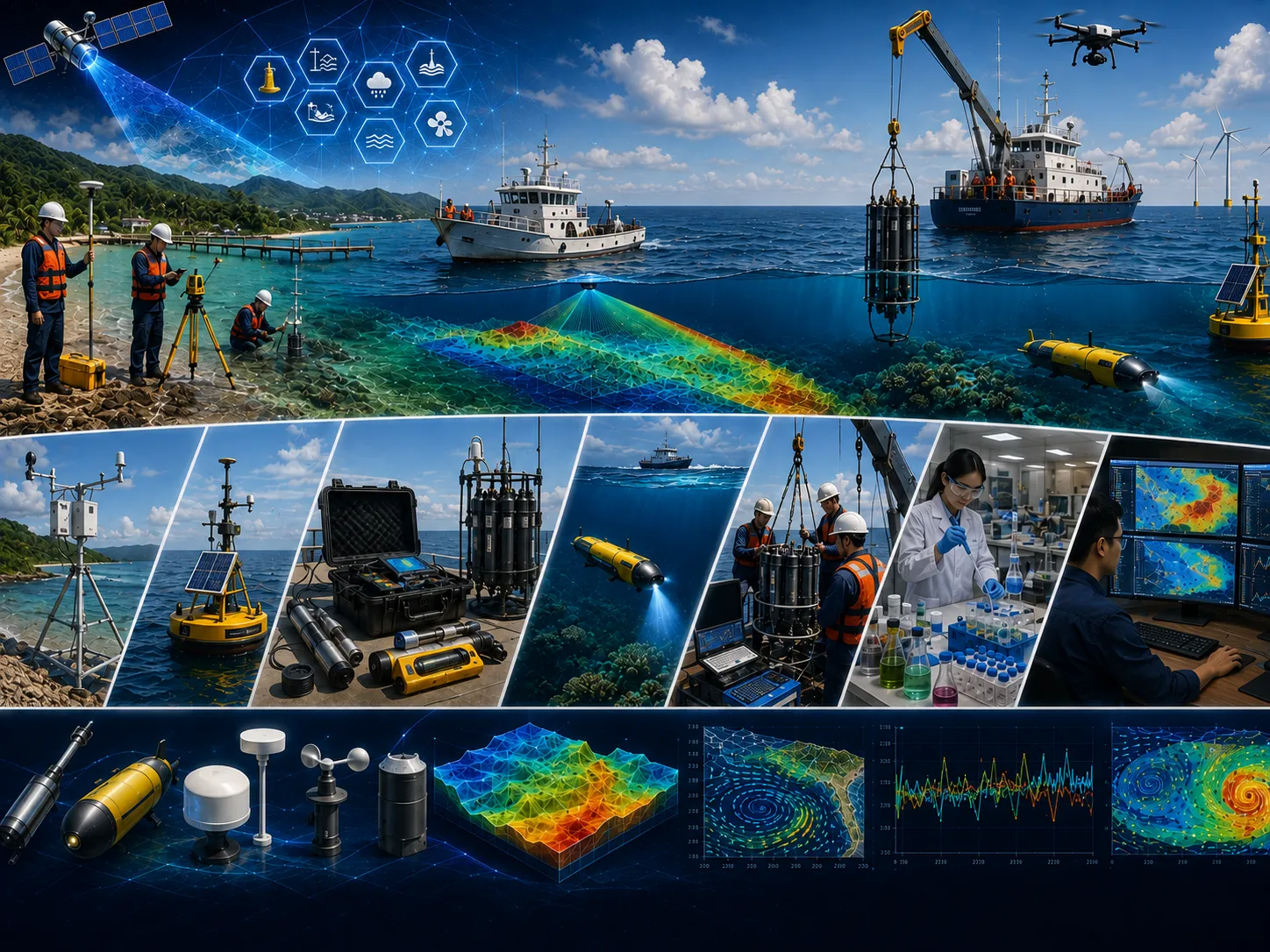
This aspect is assessed to clarify its implications for modeling.
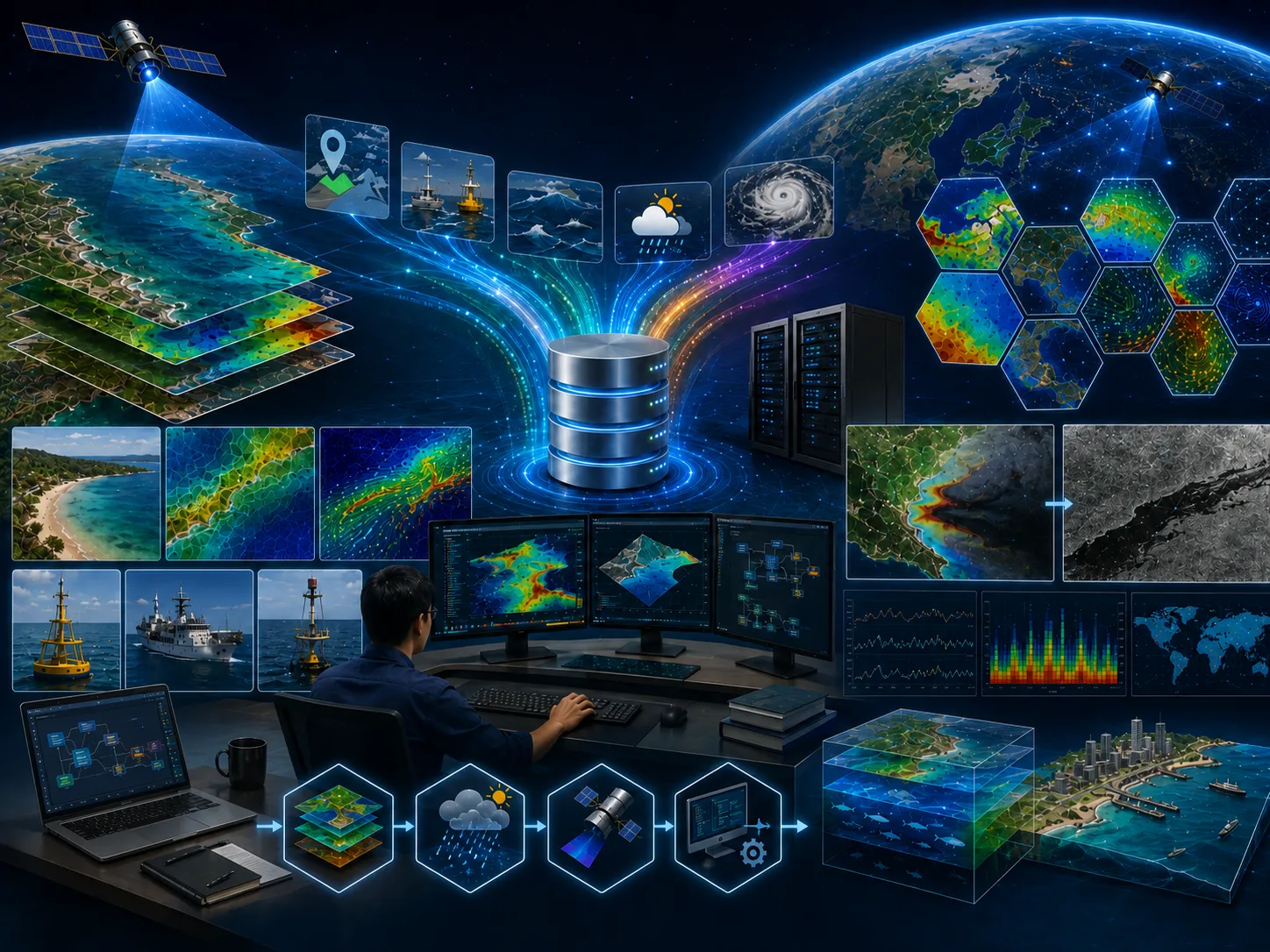
This aspect is assessed to clarify its implications for modeling.

This aspect is assessed to clarify its implications for modeling.
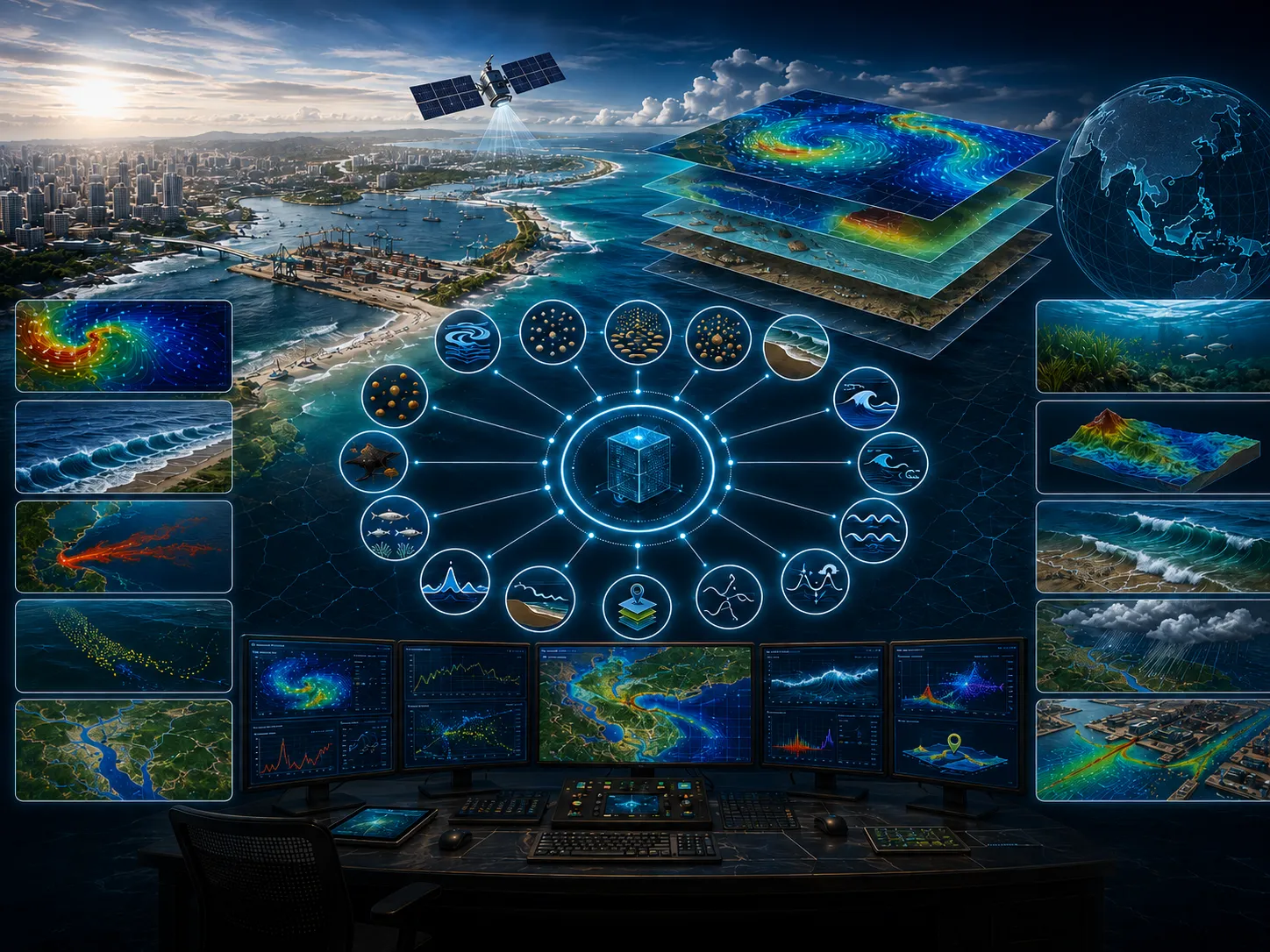
This aspect is assessed to clarify its implications for modeling.

This aspect is assessed to clarify its implications for modeling.
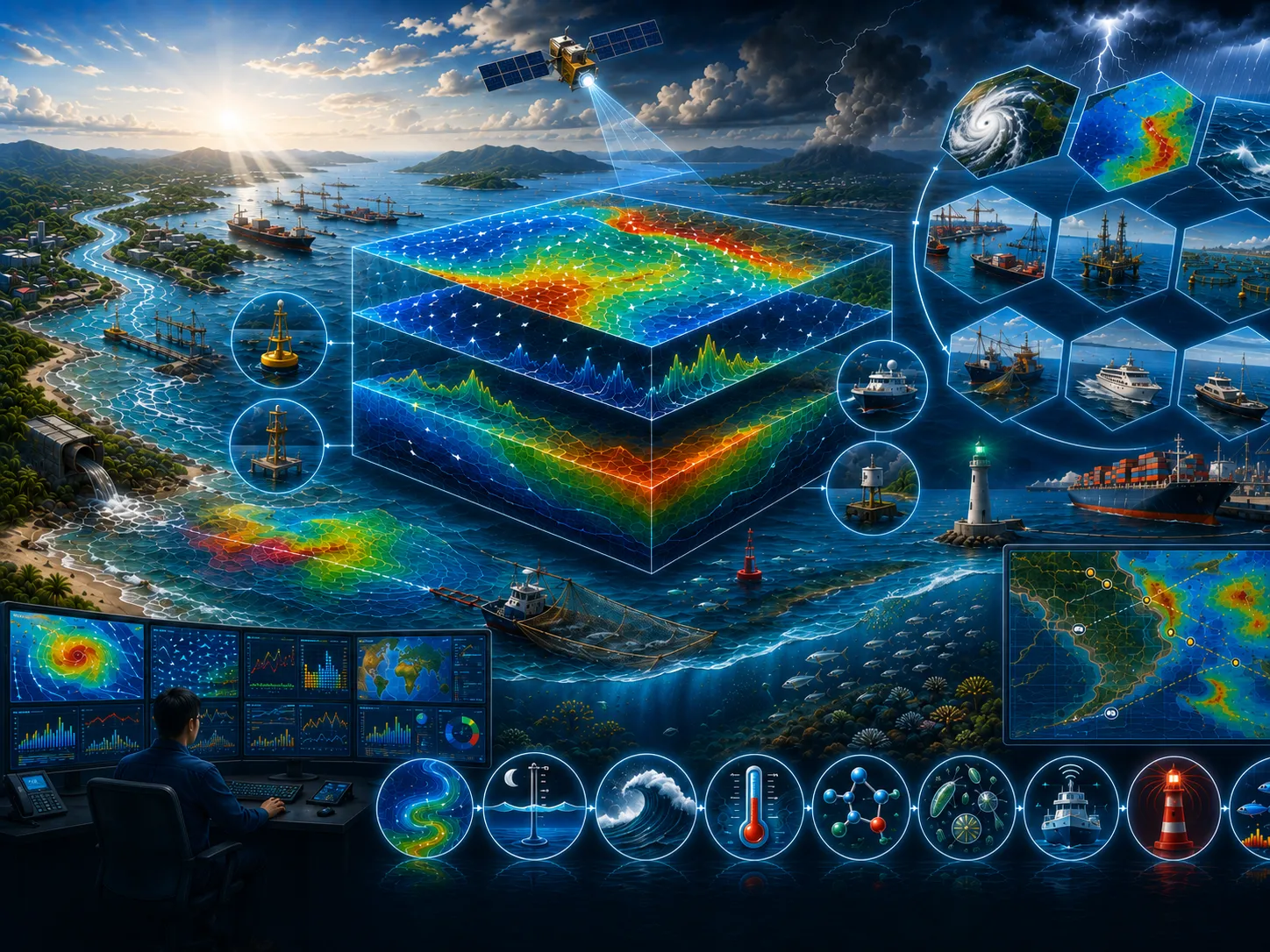
Field surveys, in-situ measurements, laboratory results, historical records, and operating information as required.
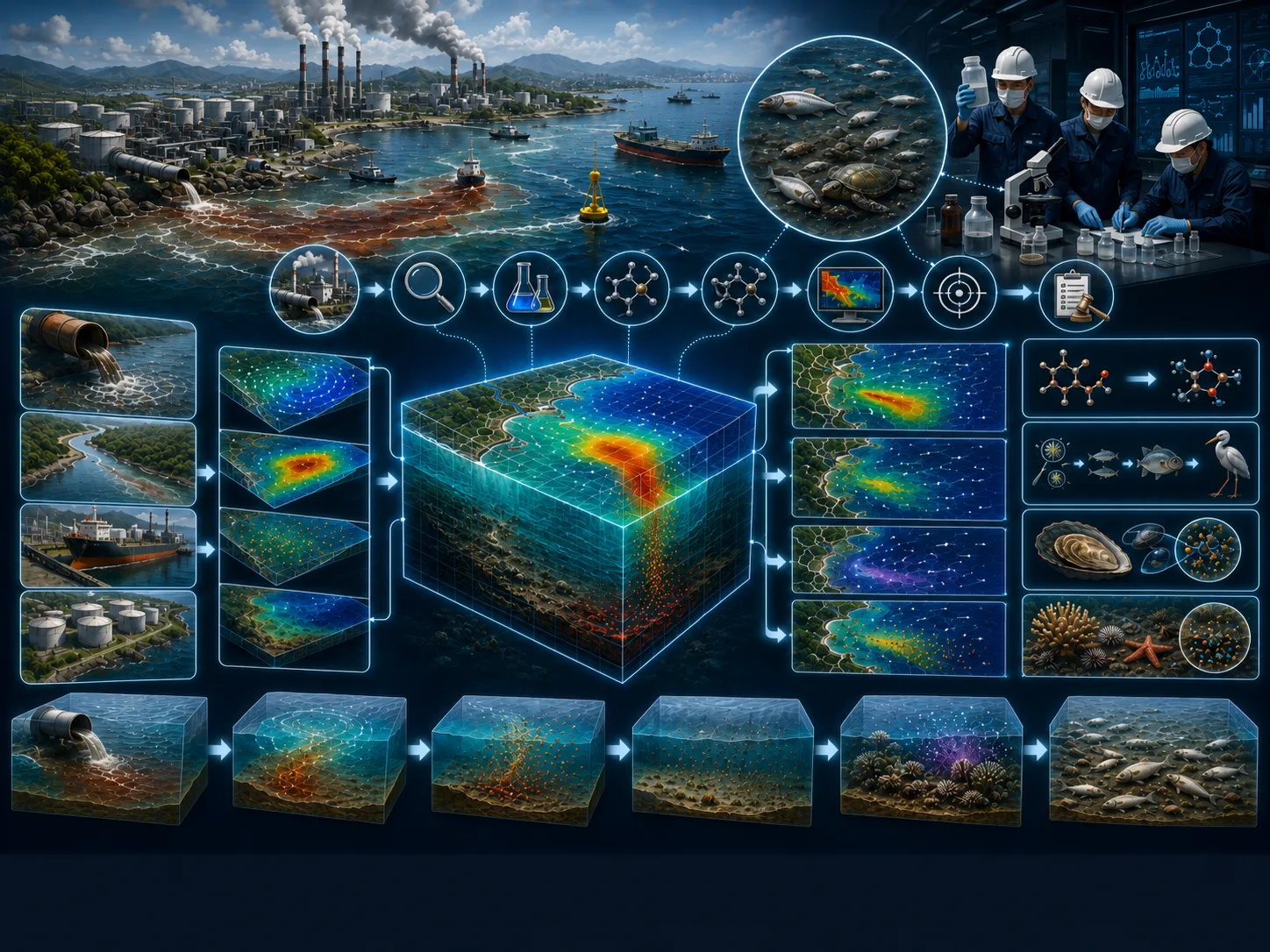
Satellite imagery, mapping, spatial analysis, temporal change, and integration of multiple data sources.
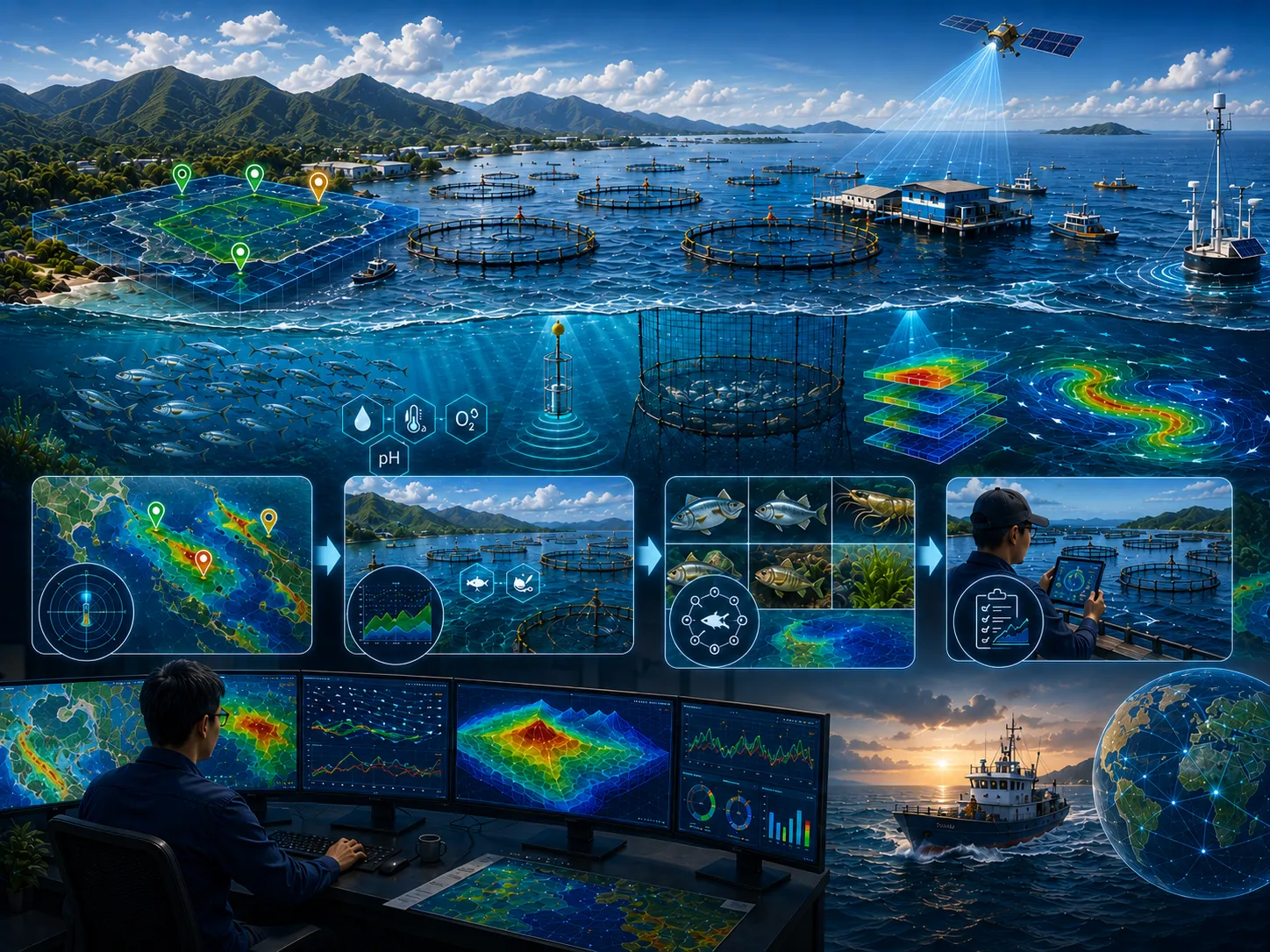
Model setup, calibration, validation, existing–planned–extreme scenarios, and sensitivity analysis.
Metadata, quality controls, assumptions, limitations, data versions, and processing lineage are documented.
Objectives, study area, available data, additional needs, initial risks, and recommended level of detail.
Quality-controlled data, thematic maps, time series, indicators, and comparable visualizations.
Comparison of existing conditions, alternatives, extremes, sensitivities, consequences, and mitigation options.
Methods, results, limitations, recommendations, action priorities, and stakeholder presentation materials.
Assumptions, data, variability, and limitations are stated so decision risk is not hidden.
Alternative locations, designs, operations, or policies are assessed using consistent indicators.
Data needs and analysis depth are proportionate to risk so resources are used efficiently.
Findings and recommendations are transparent for technical, management, regulatory, and partner review.
Objectives, users, location, project phase, problems, constraints, and the decision to support.
Methods, data, surveys, models, schedule, team, deliverables, review gates, and resource estimate.
Collection, inspection, harmonization, documentation, and data-sufficiency assessment.
Processing, modeling, validation, option comparison, sensitivity, and risk evaluation.
Maps, report, executive brief, presentation, supporting data, and follow-up plan.
Information exchange on technical issues in model development using various programs, software, methods, numerical solutions, and other related approaches. The purpose is to assist practitioners in ocean modeling when they encounter technical problems in modeling activities.
Information exchange on problems related to Indonesian marine waters that can be addressed using modeling technology.
Learn more →Information exchange related to general issues in the development of marine science and technology, marine human resources, marine and fisheries business opportunities, marine education, and other related…
Learn more →The CORZ team will review the objective, scope, data availability, risk level, schedule, and required outputs to prepare a proportionate approach.
Share the location, objectives, key challenges, available data, and expected outputs. The CORZ team will help define a proportionate technical approach.